Kola Peninsula
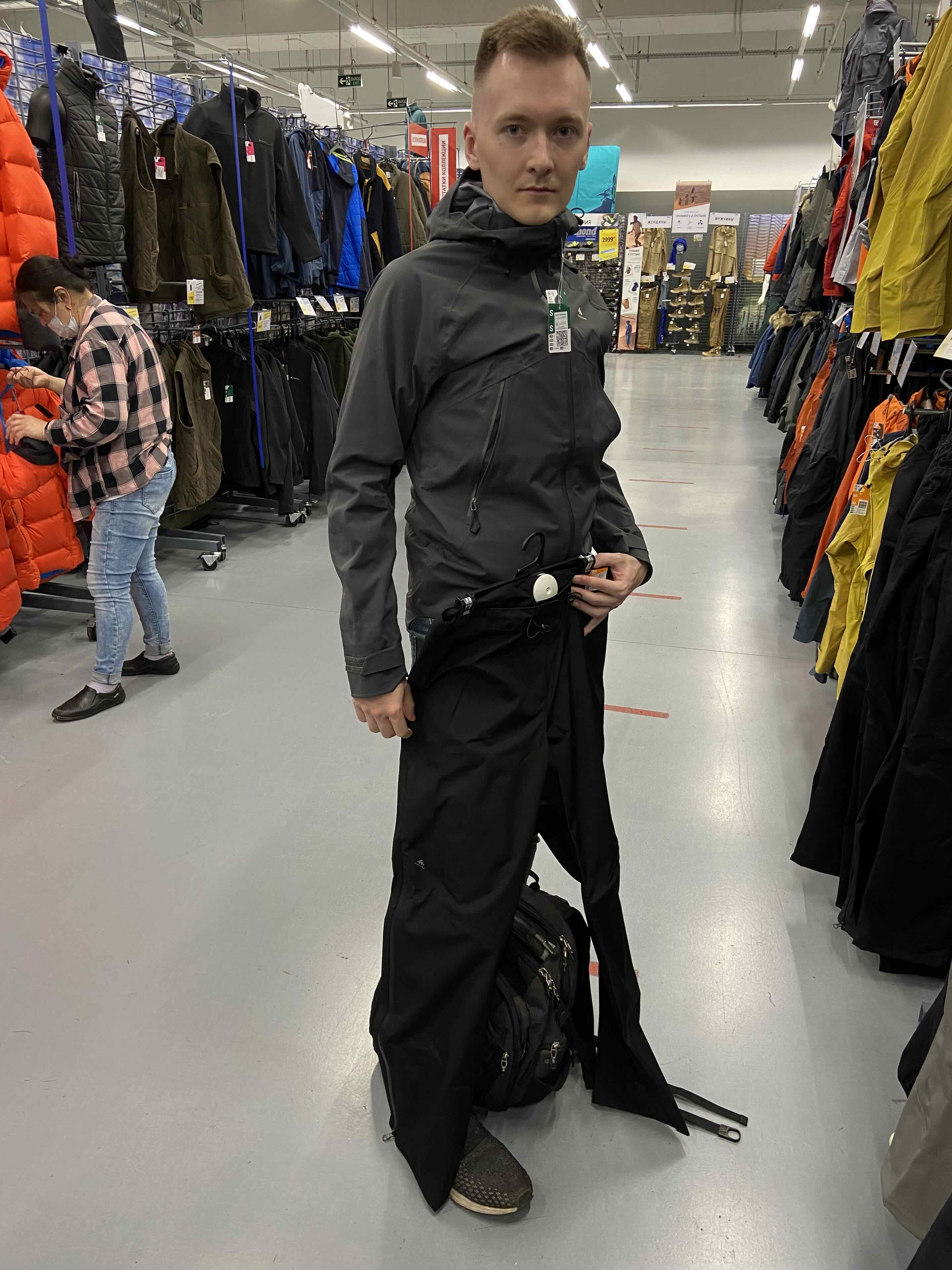
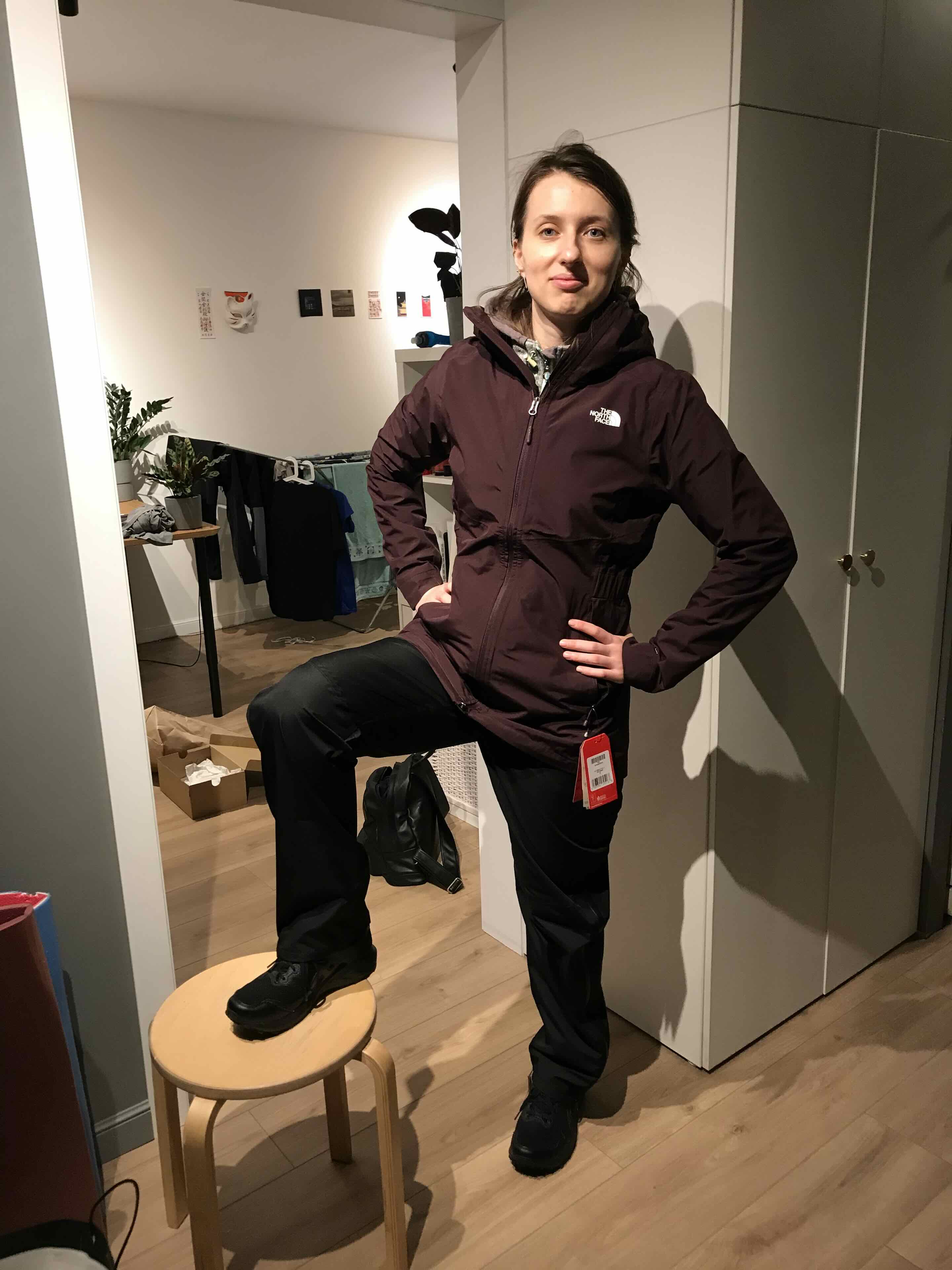
The peninsula lies in northern Russia beyond the Arctic Circle, covered with mountains, taiga and tundra. Nastya and I get inspired by the harsh landscape, buy clothes and basic gear, and head out on our first independent trip into the wild.
An incredibly complicated flush button on the plane:

The airport sits in the middle of endless spruce trees. I had never seen that many spruce trees. Spruces, spruces, spruces.
We arrived in Kirovsk. The Khibiny Mountains are visible from the hotel. The mountains are flat and relatively low. The highest point in the Khibiny is Yudychvumchorr, about 1,200 m.
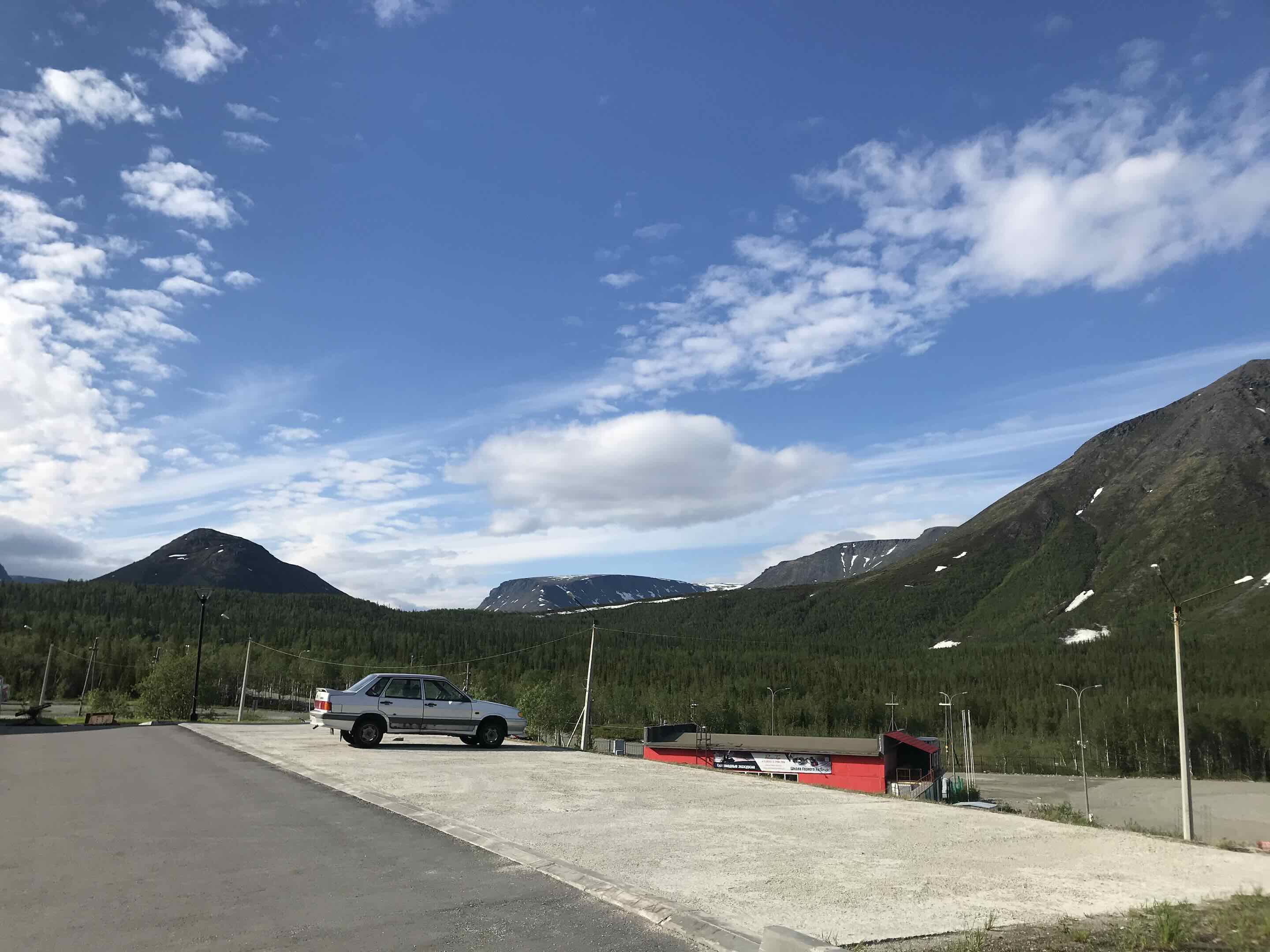
We head out for our first hike. Trucks drive along the road from town:
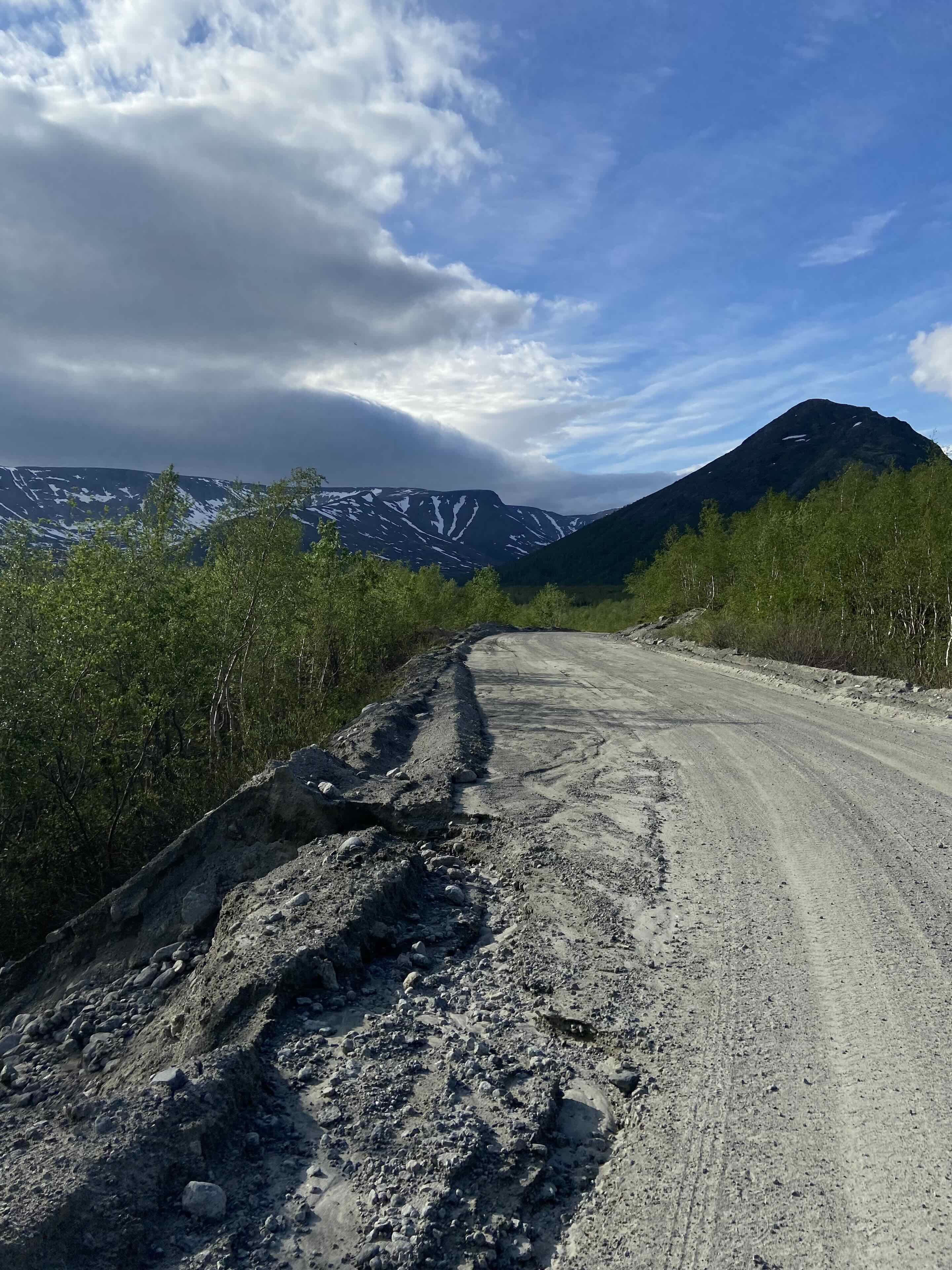
The mountains hold many deposits of apatite-nepheline ore. The town’s main enterprise is the Apatit plant, which has three large mines in the mountains. The ore is used to produce raw materials for phosphate fertilizers, aluminum, soda, and cement.
We turned off the main road toward an abandoned molybdenite mine, and there was a huge ford:
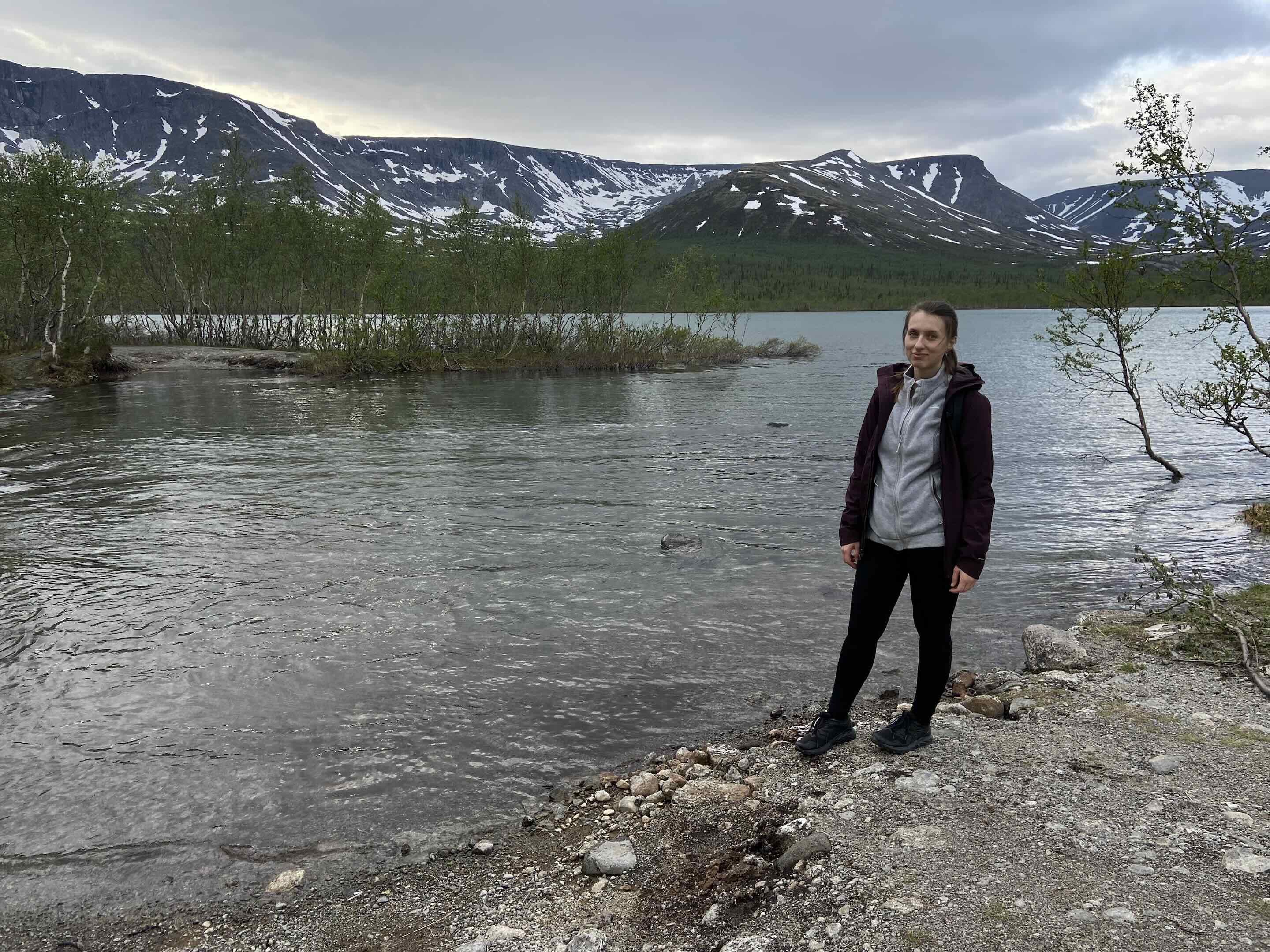
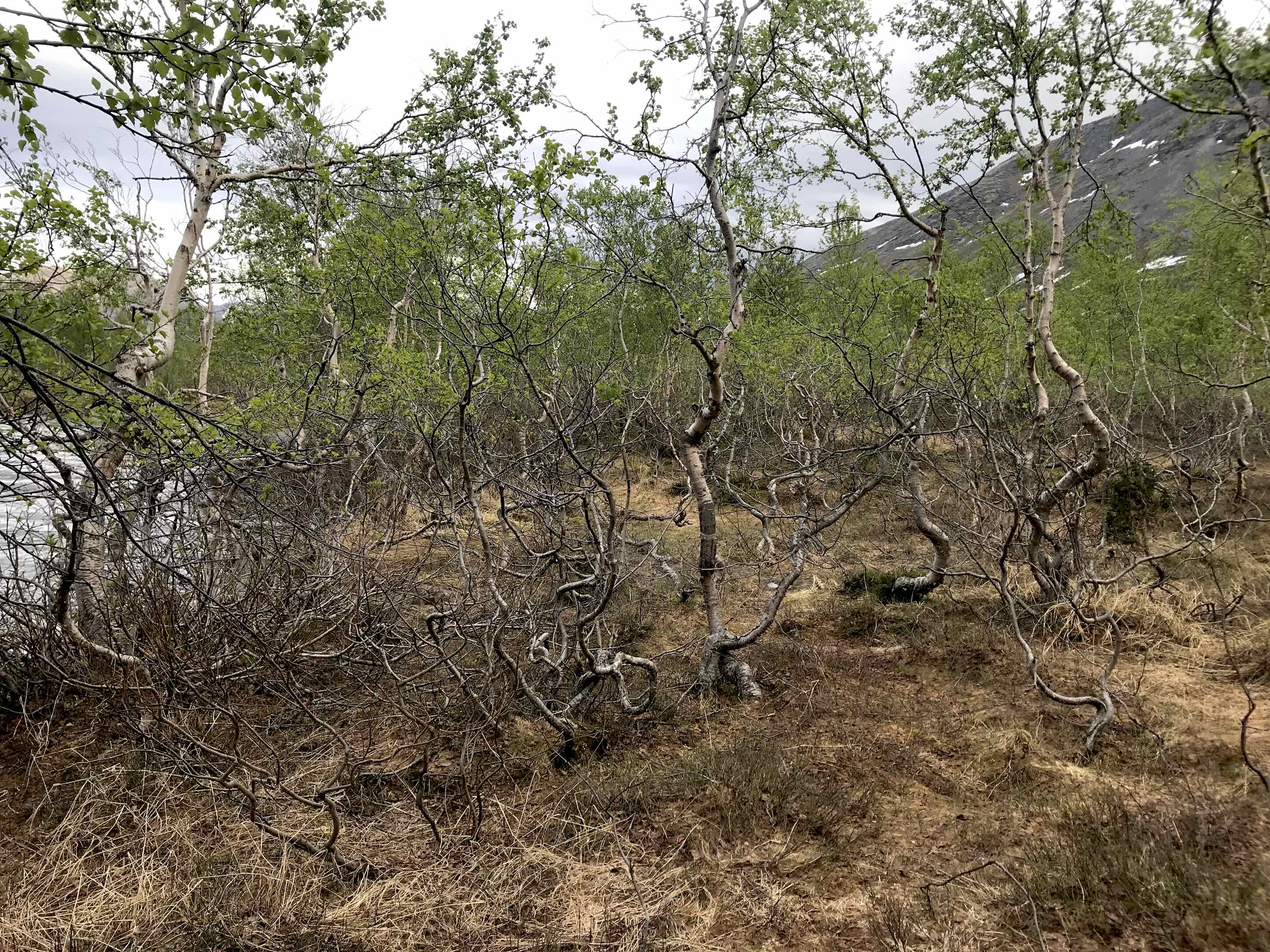
Well then. The first hike ended almost as soon as it began. We promise ourselves we will come back someday. Branches along the way:
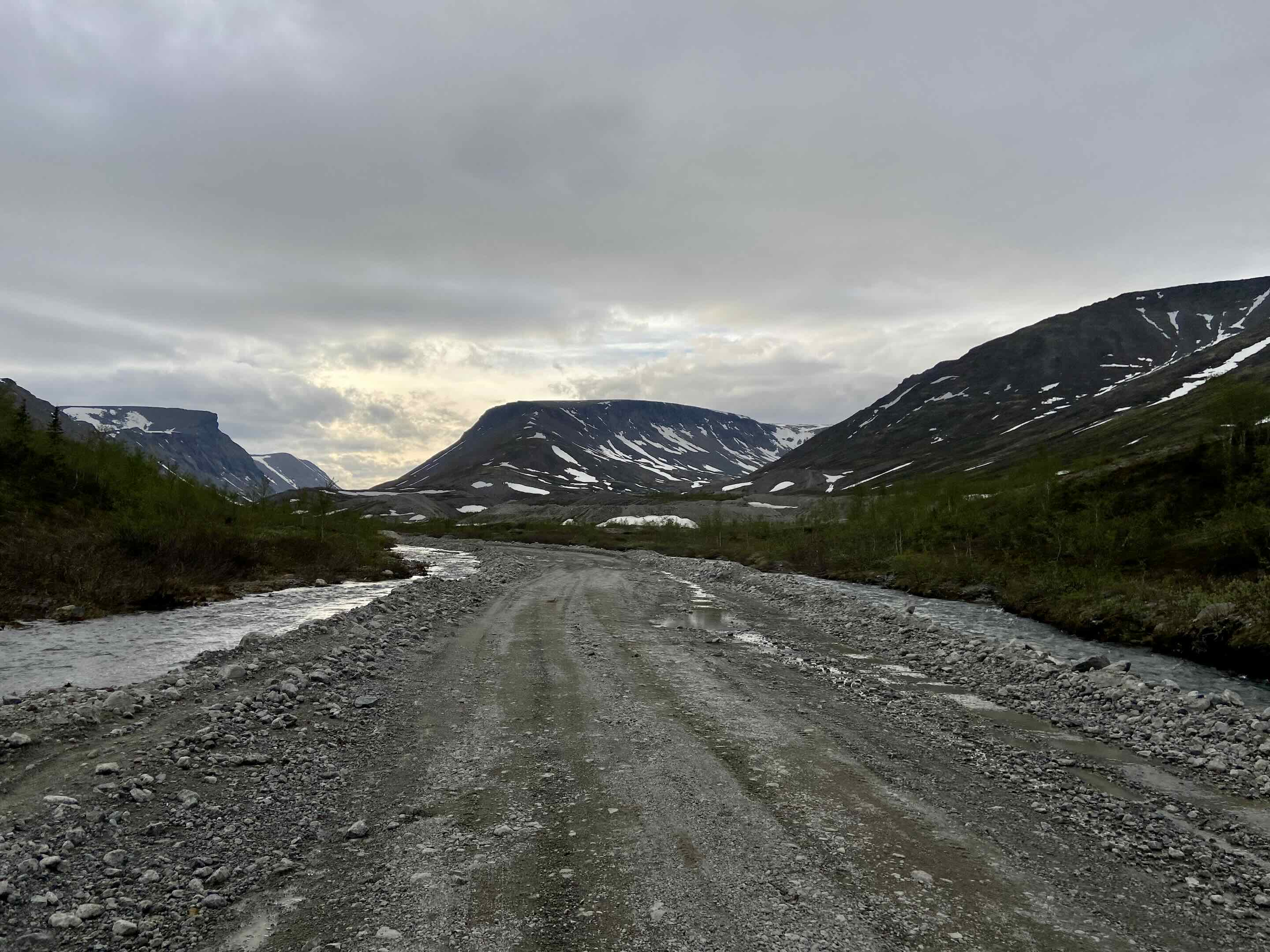
We keep walking along the truck road. Makeshift rivers run along the sides. In early summer, there is still a lot of meltwater in the mountains:
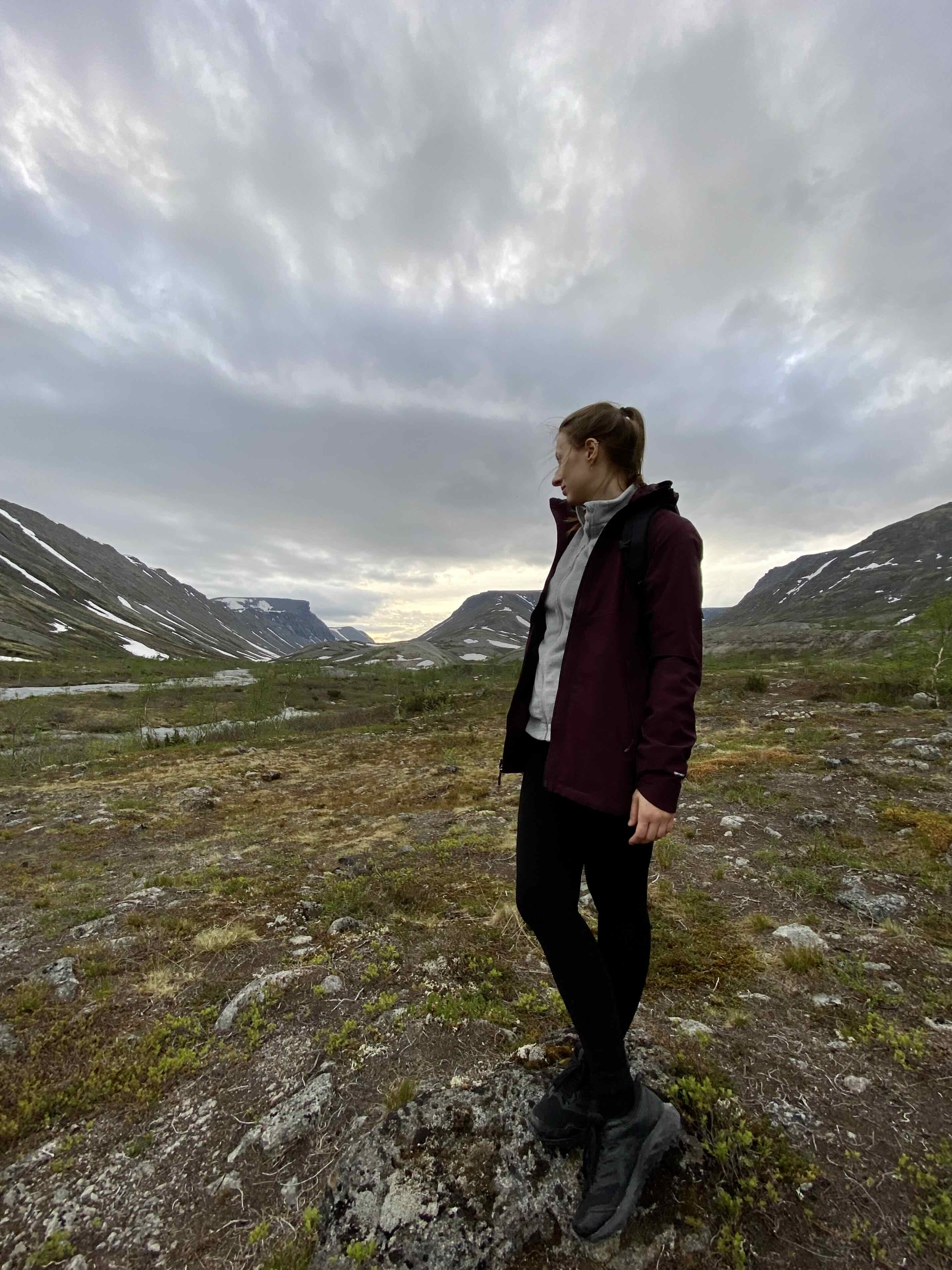
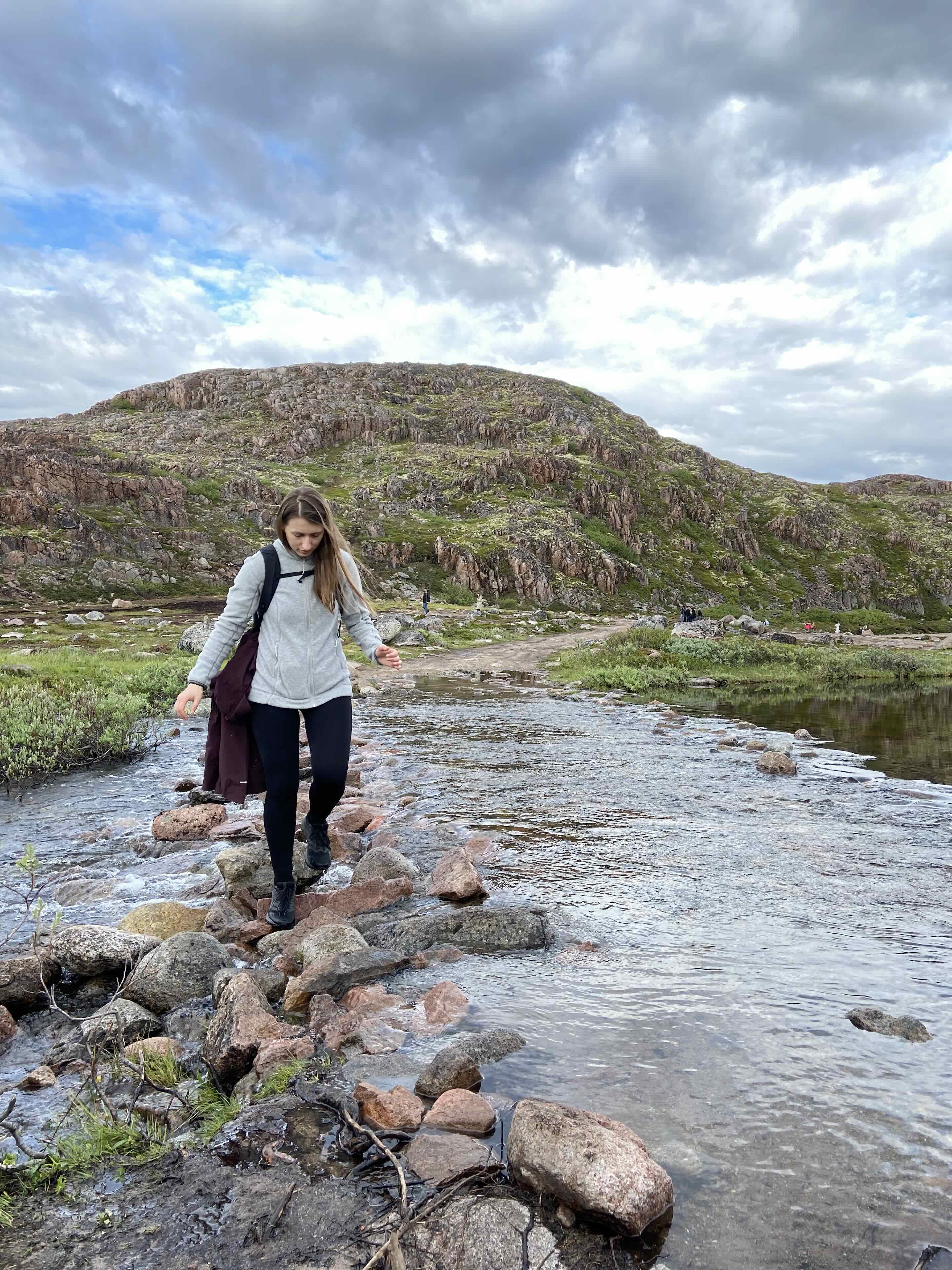
Nastya:
Bear:
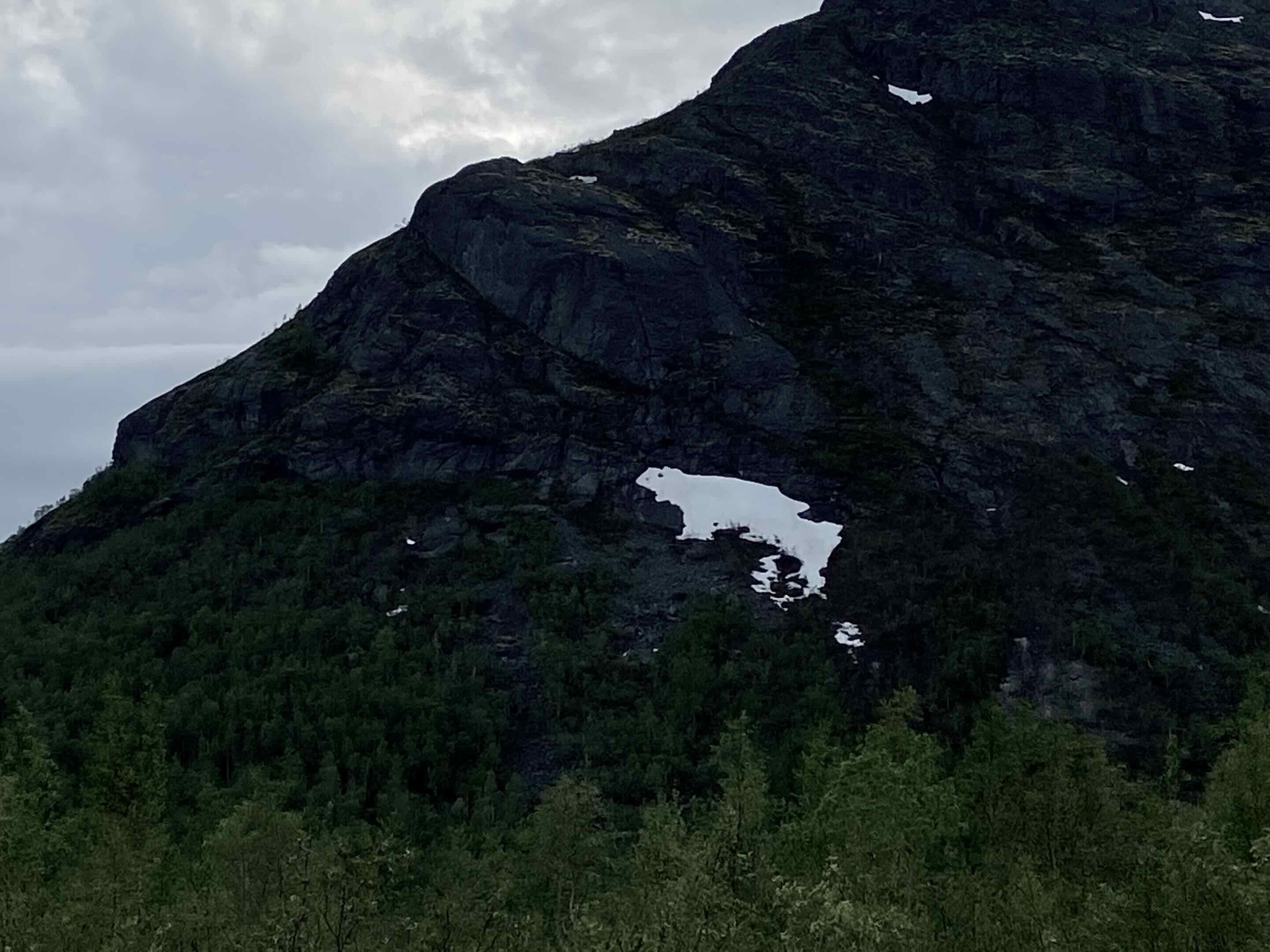
Our hotel, Tirvas, is visible in the distance. It is a whole health resort in the mountains. There is a spa and a pool with a mountain view, which, of course, we never went to.
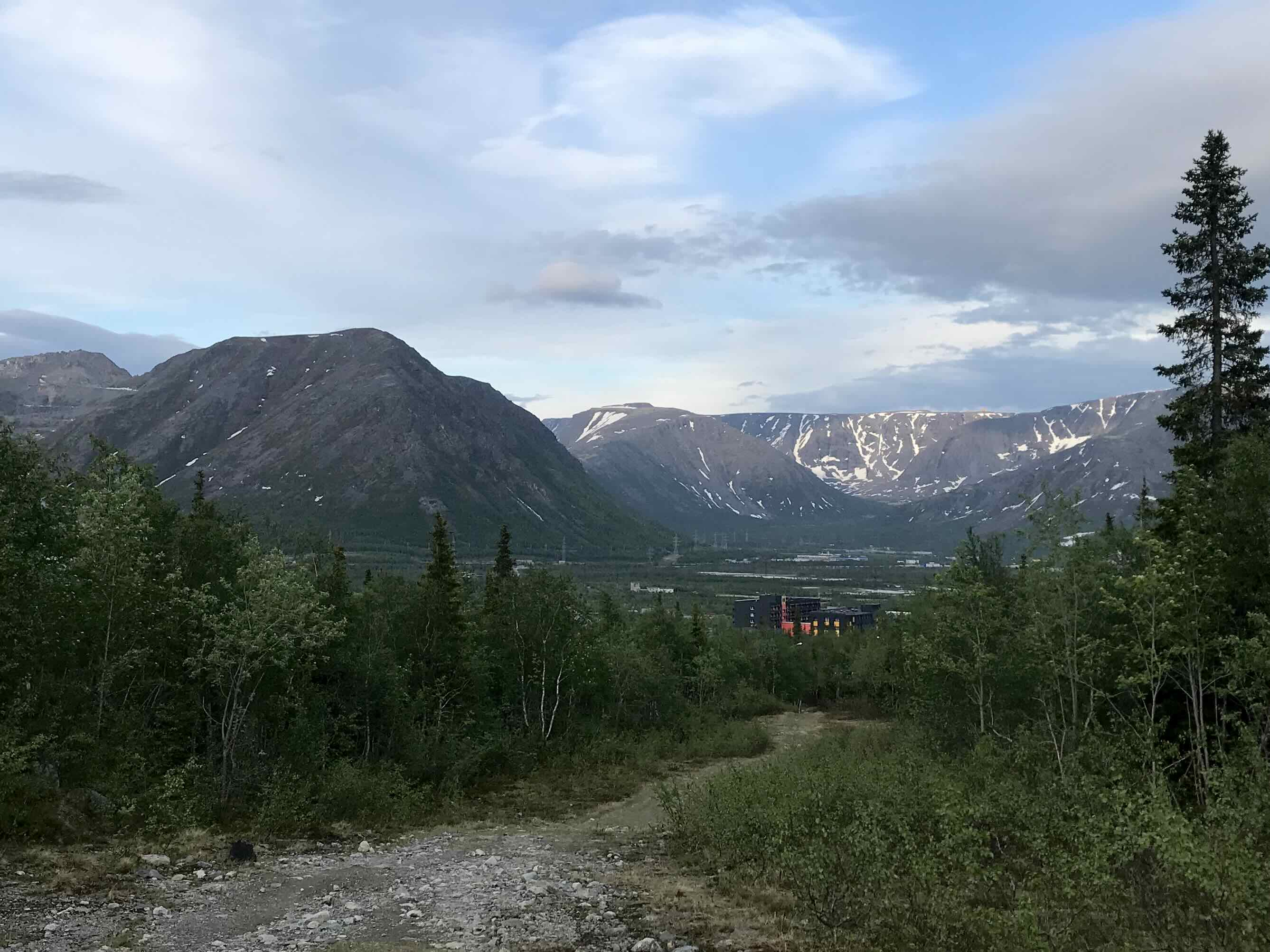
View from the hotel:
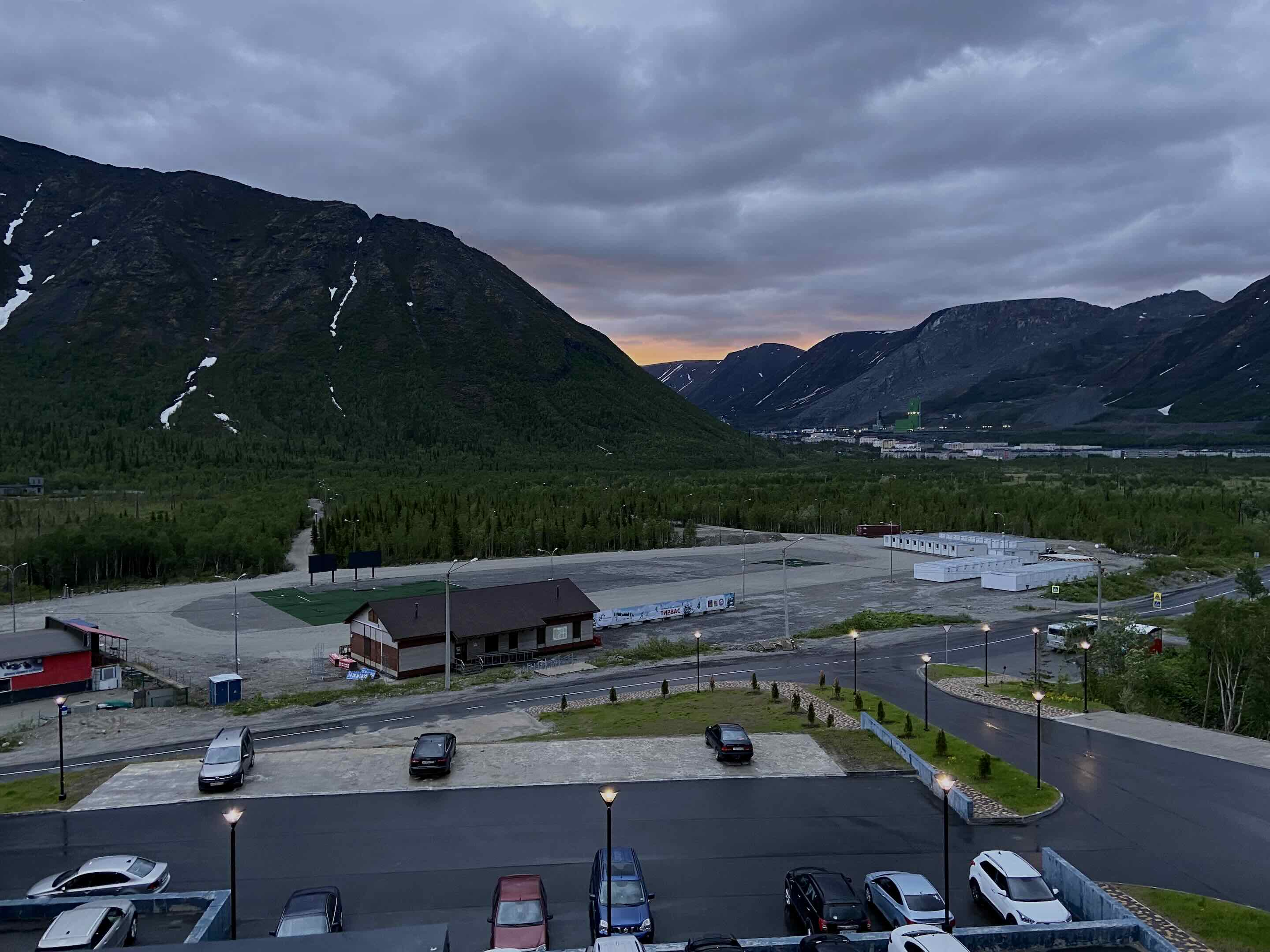
The embankment:
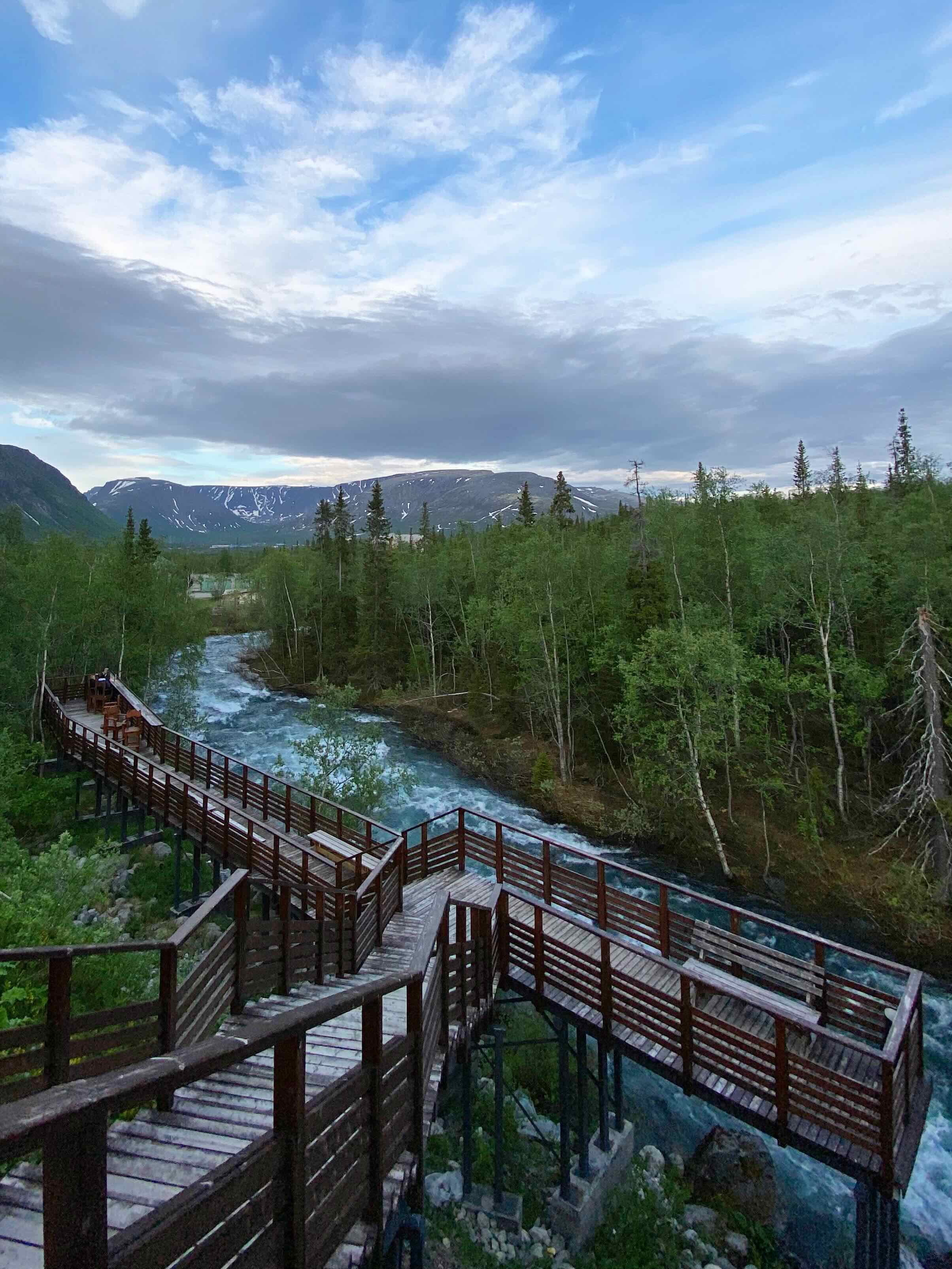
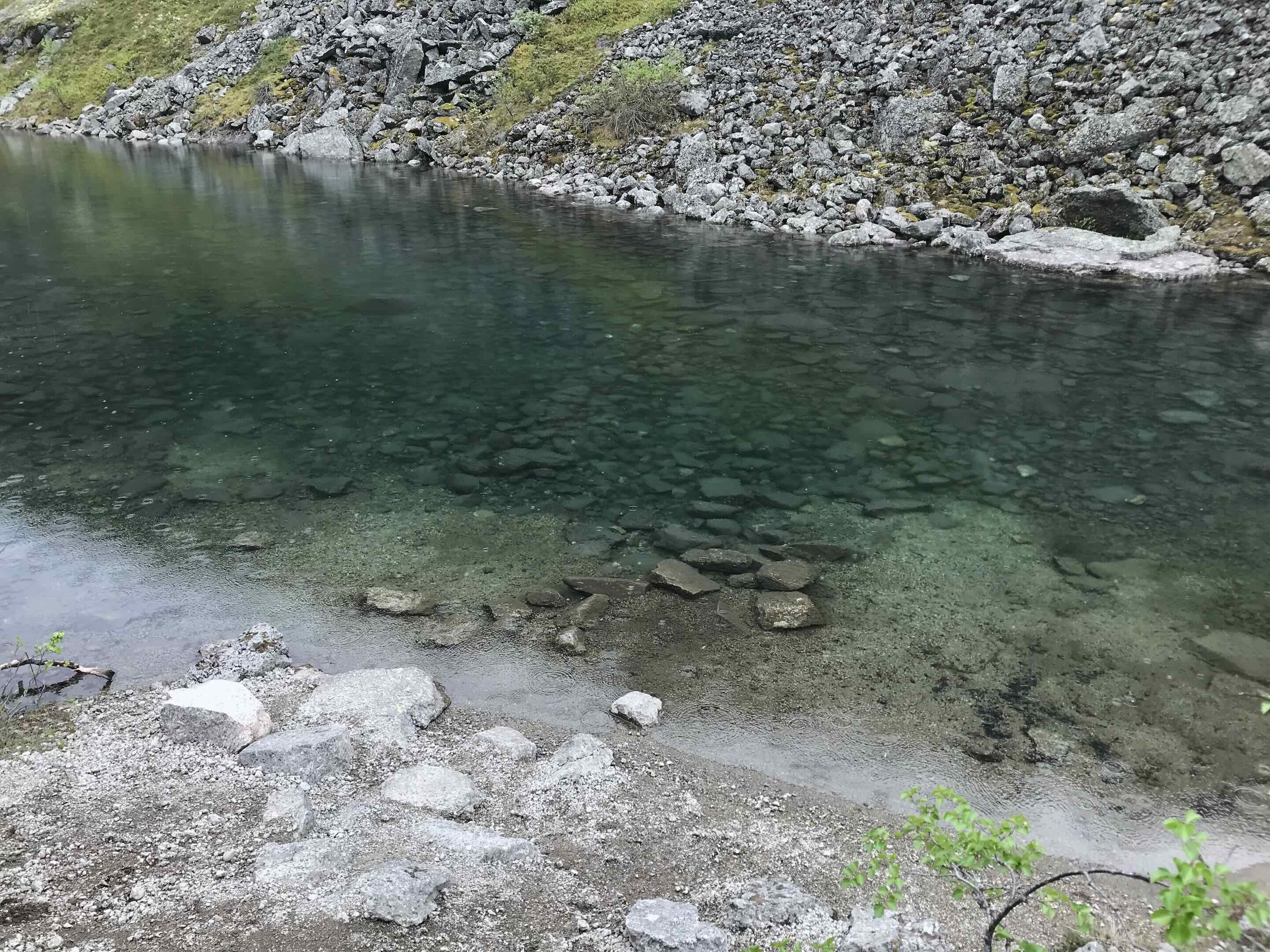
The next day we went hiking to the Blue Lakes:
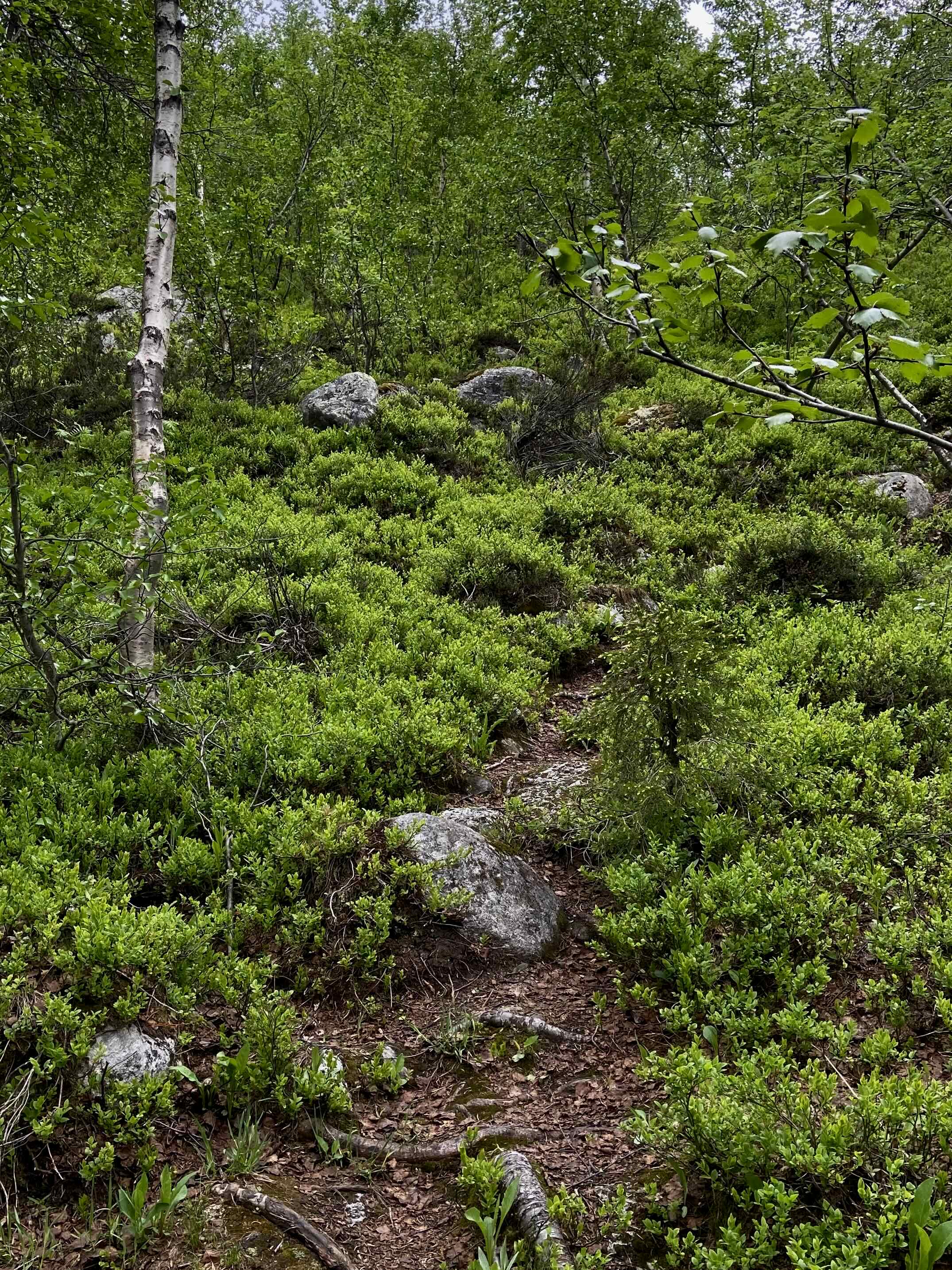
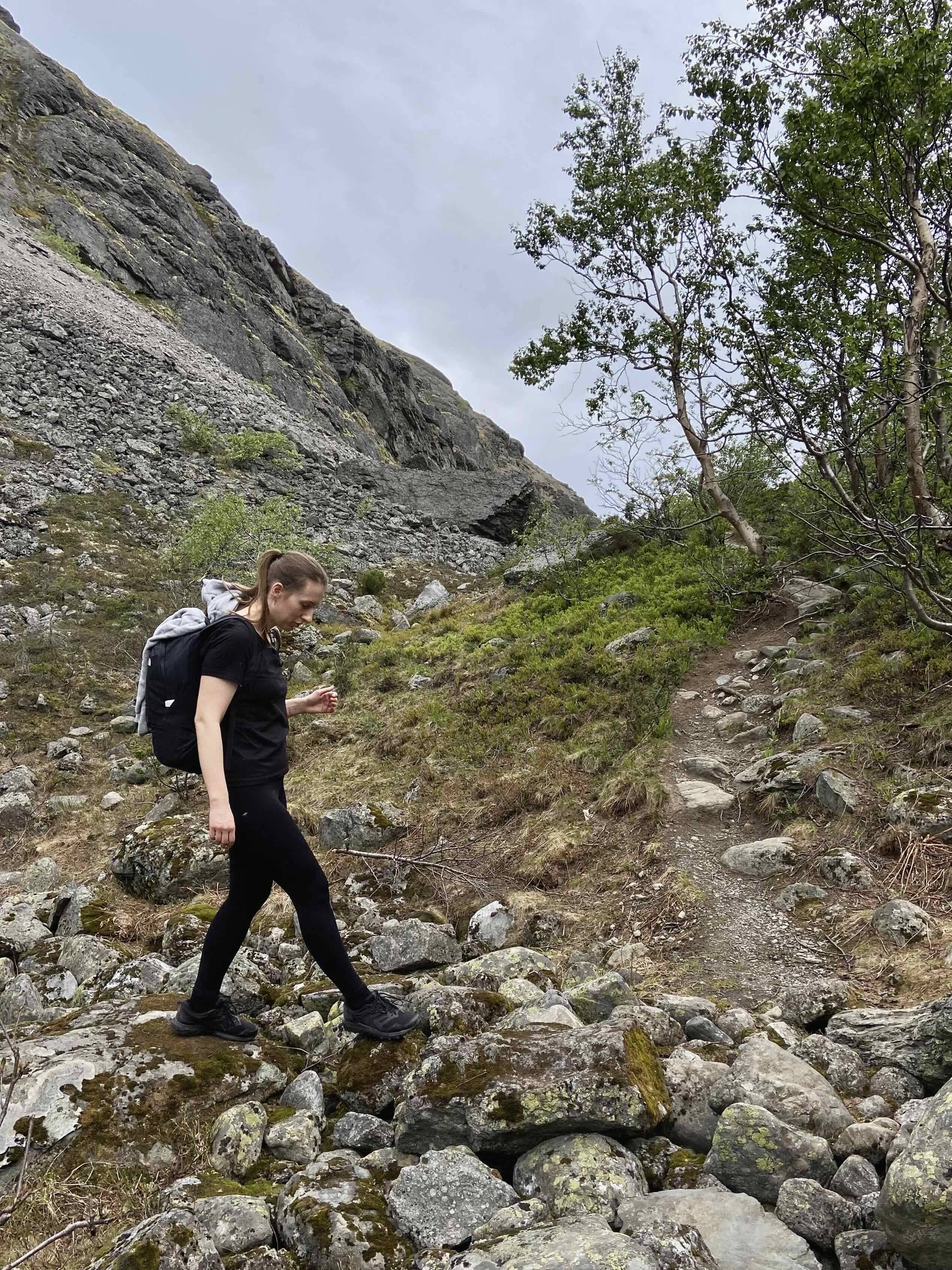
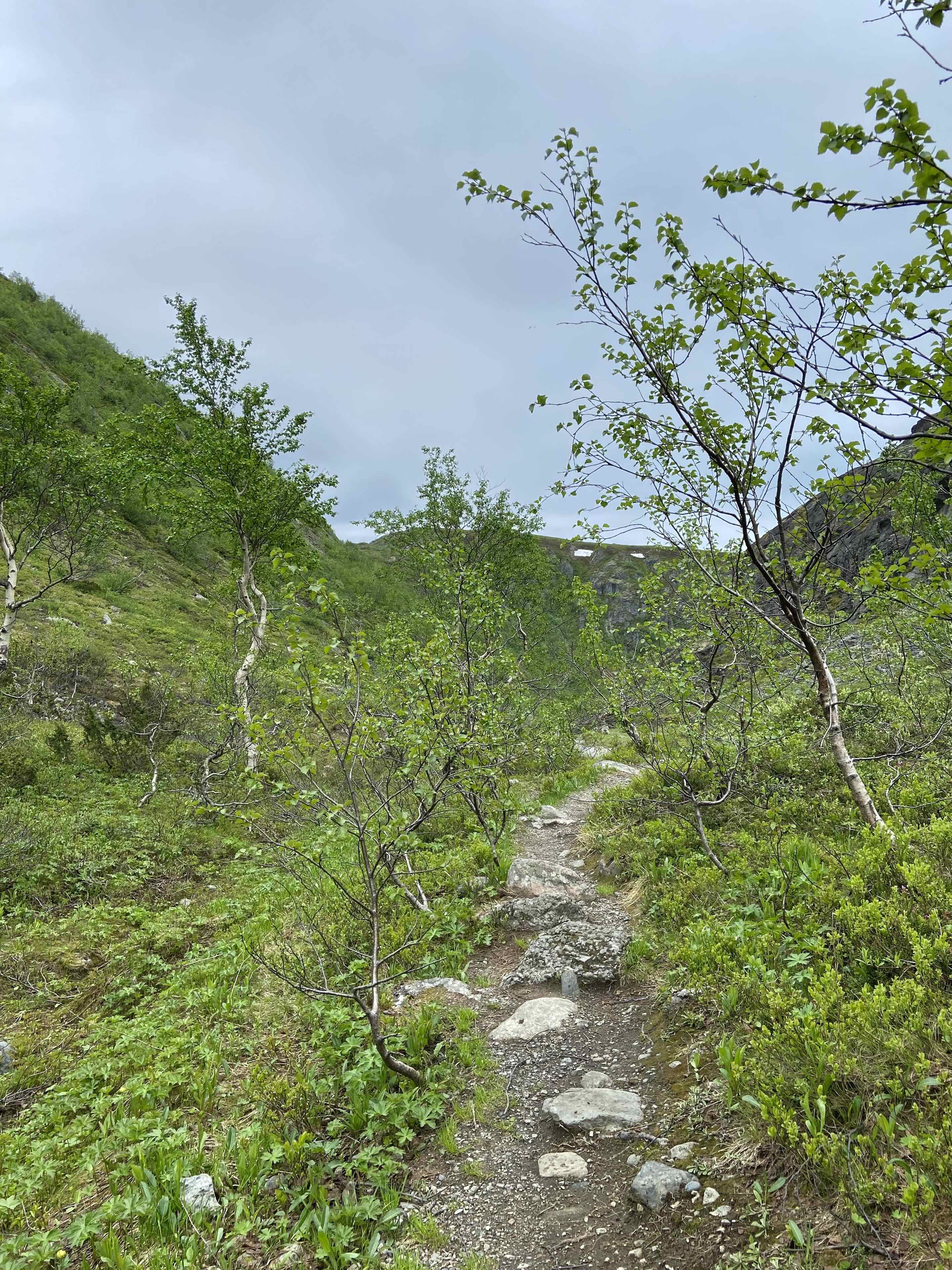
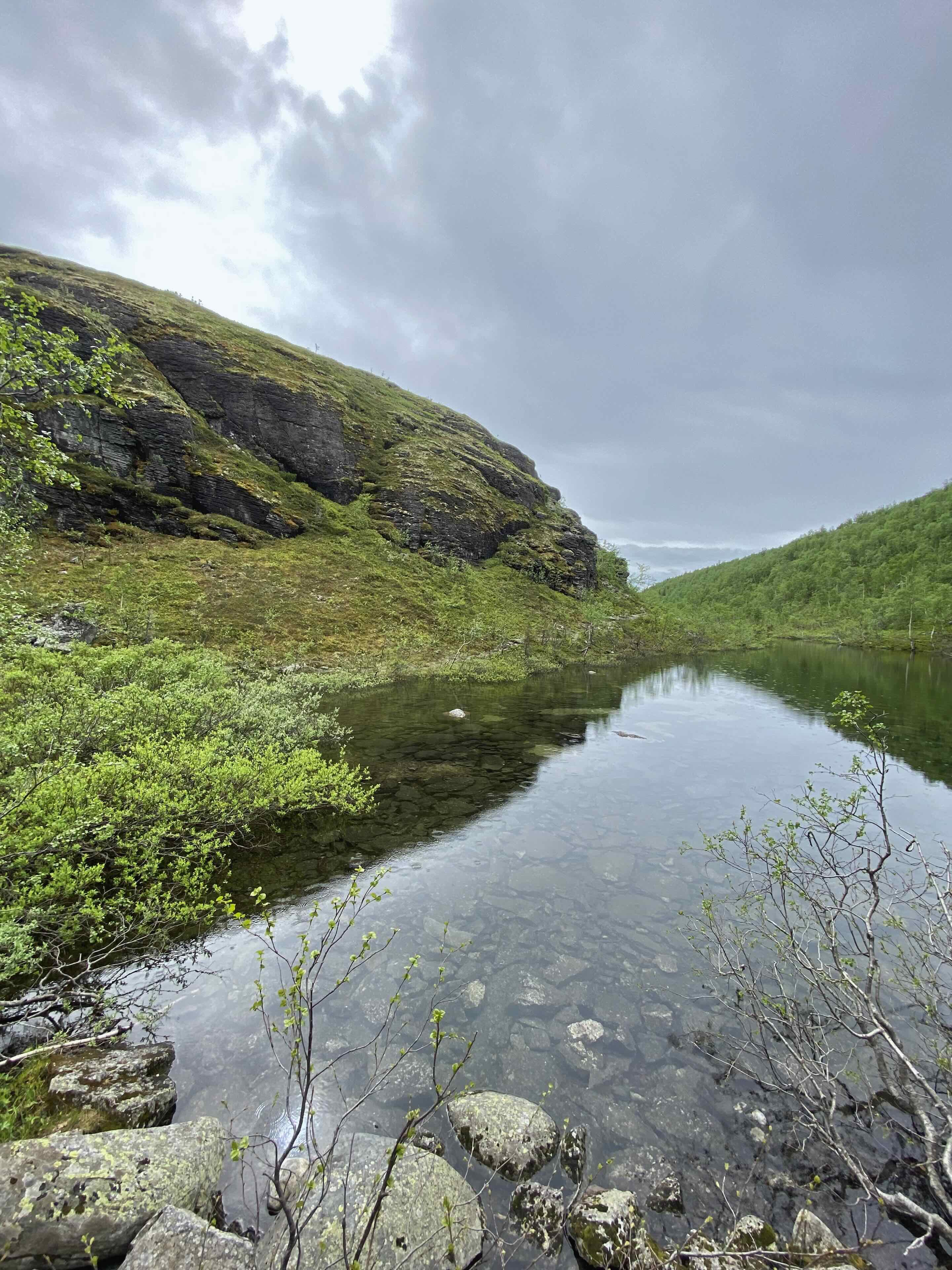
They really are blue :-)
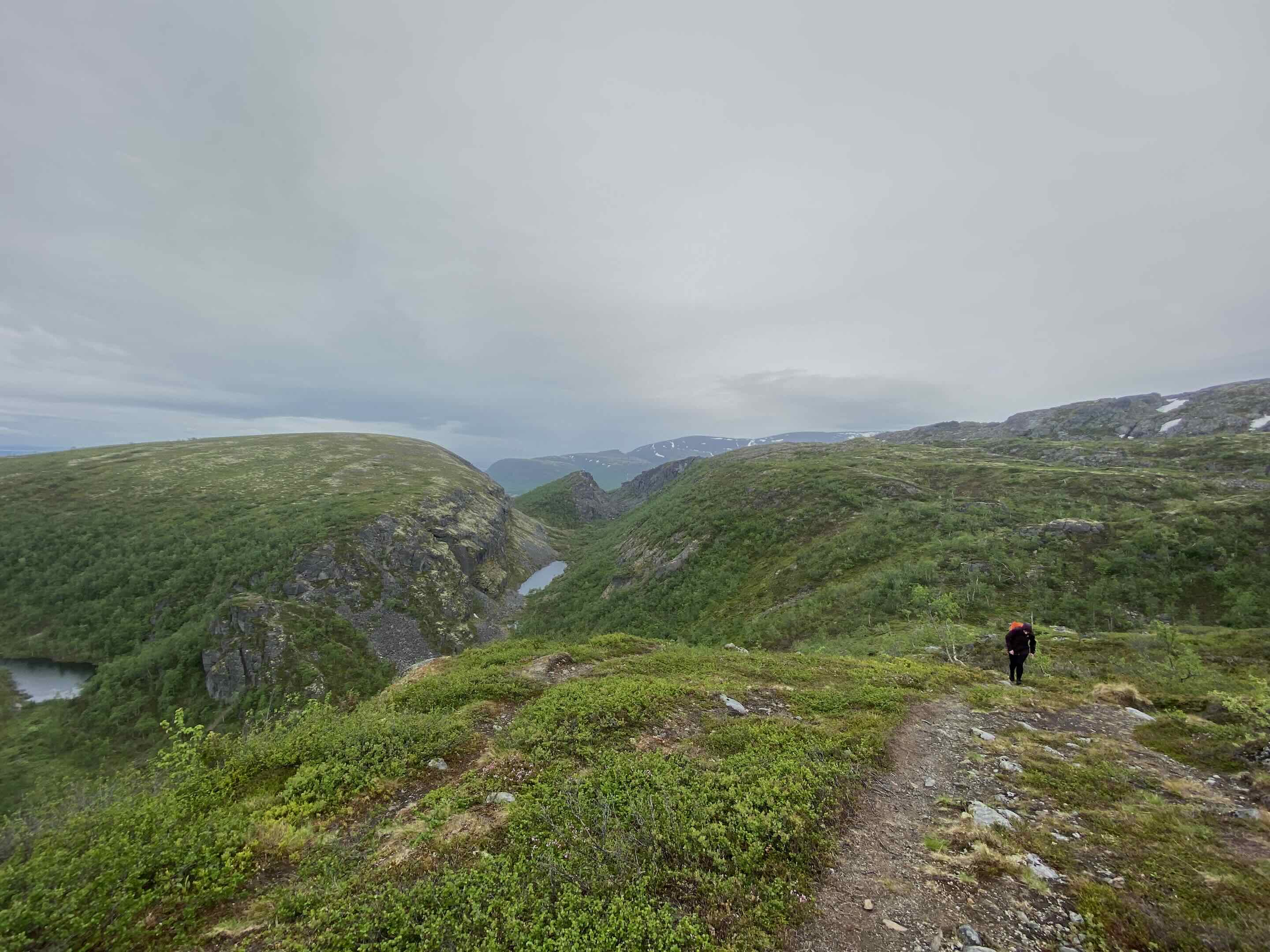
The town is surrounded by hills:
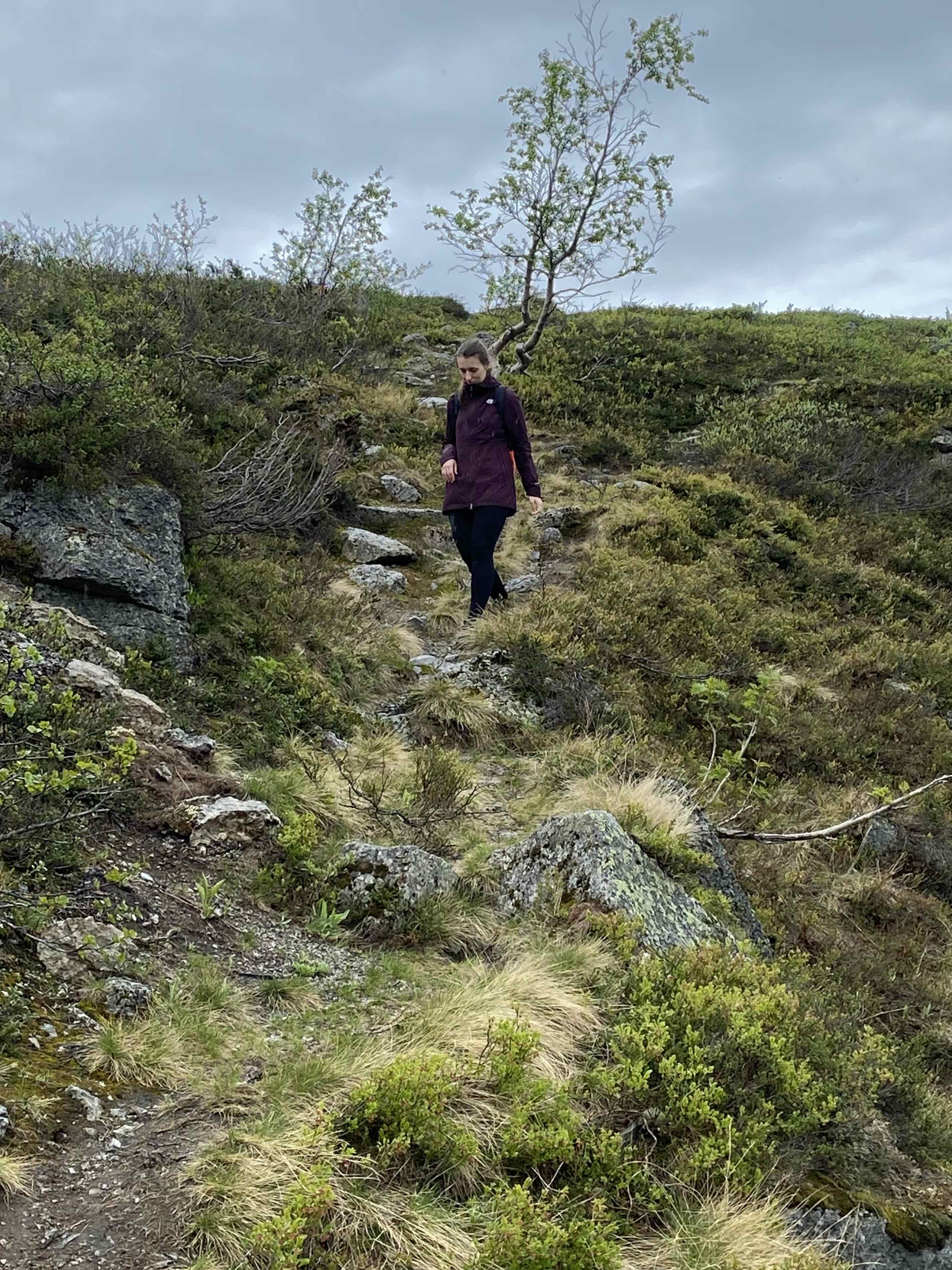
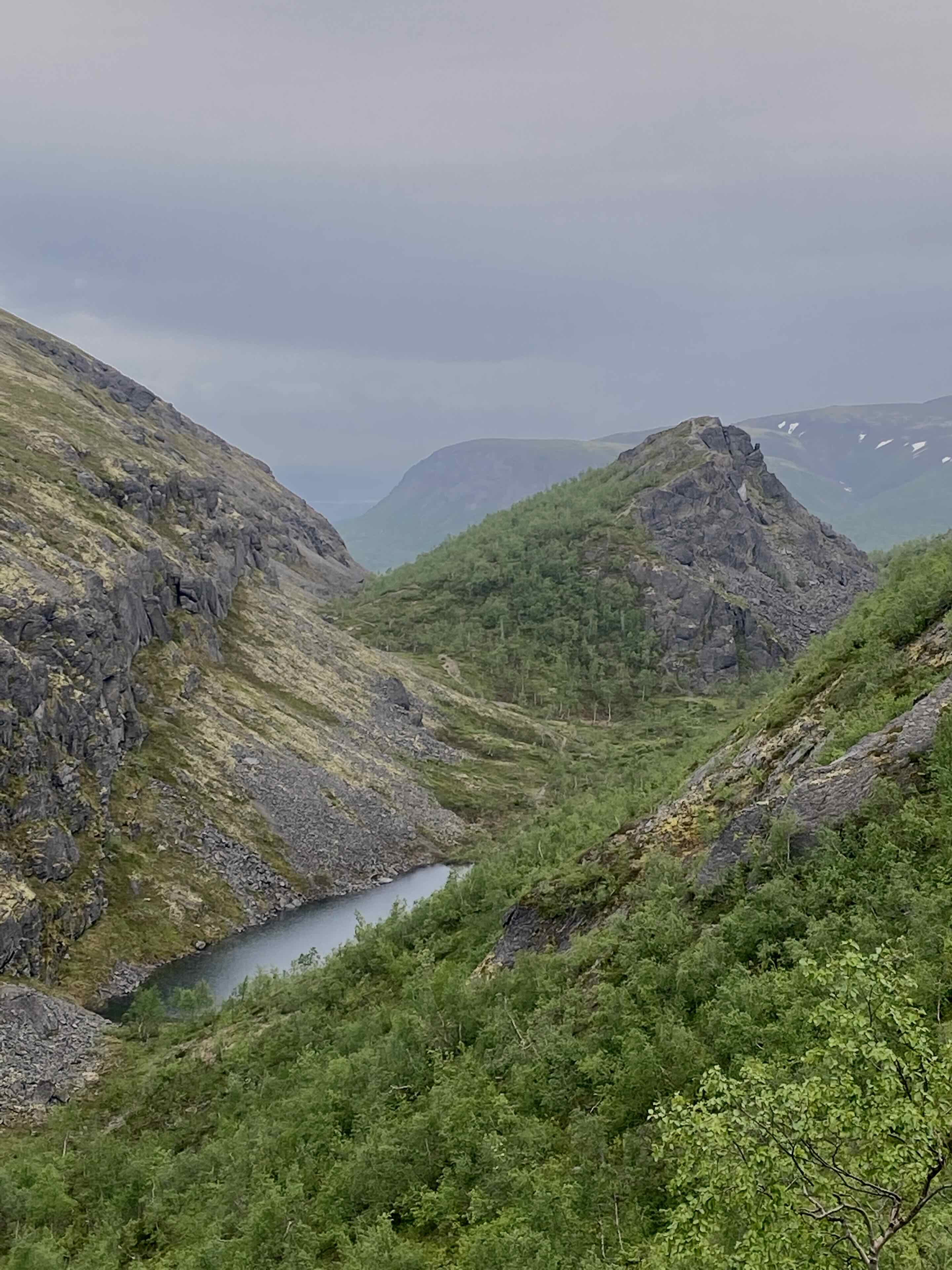
It started raining. The mood was wonderful:
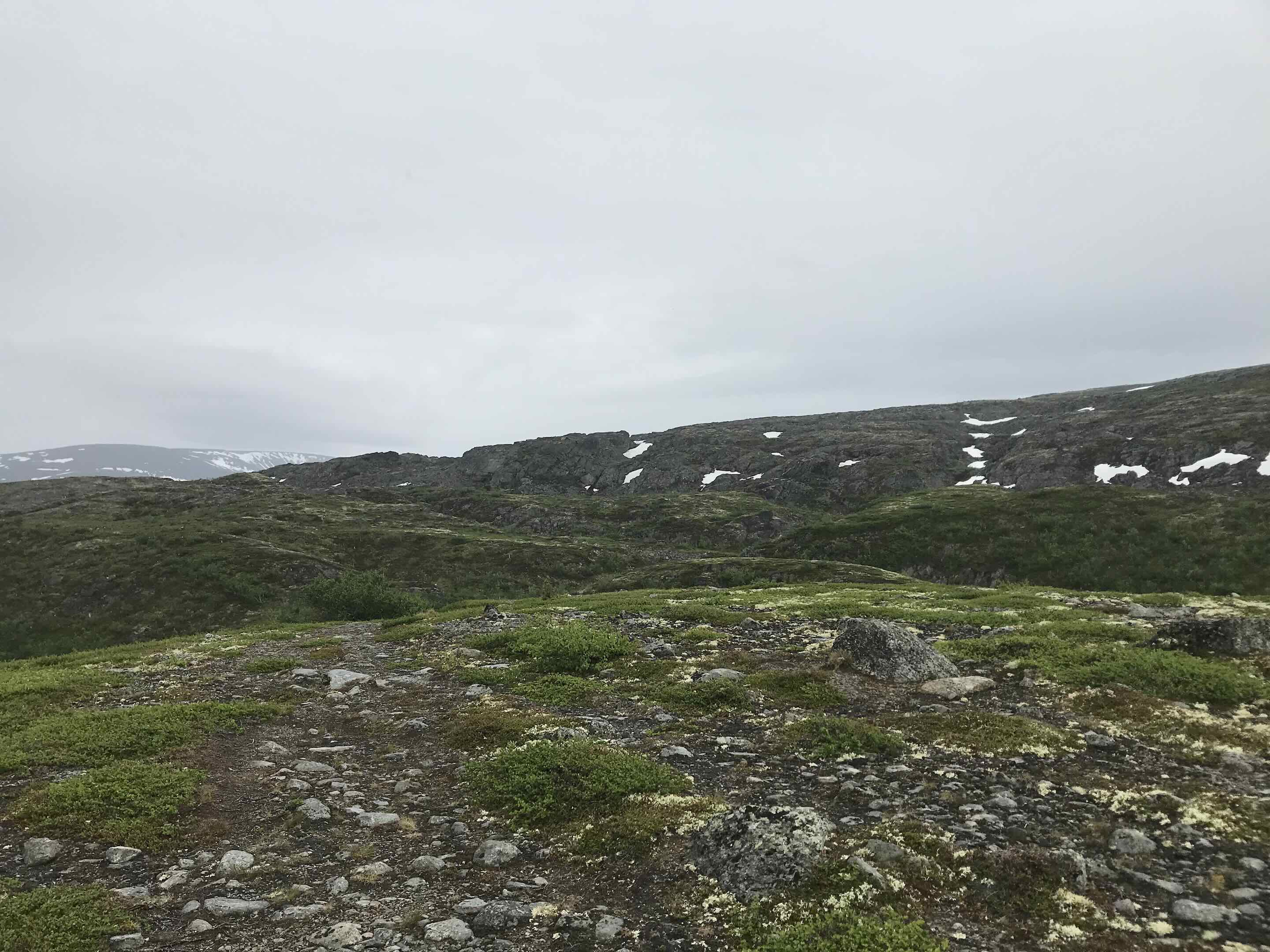
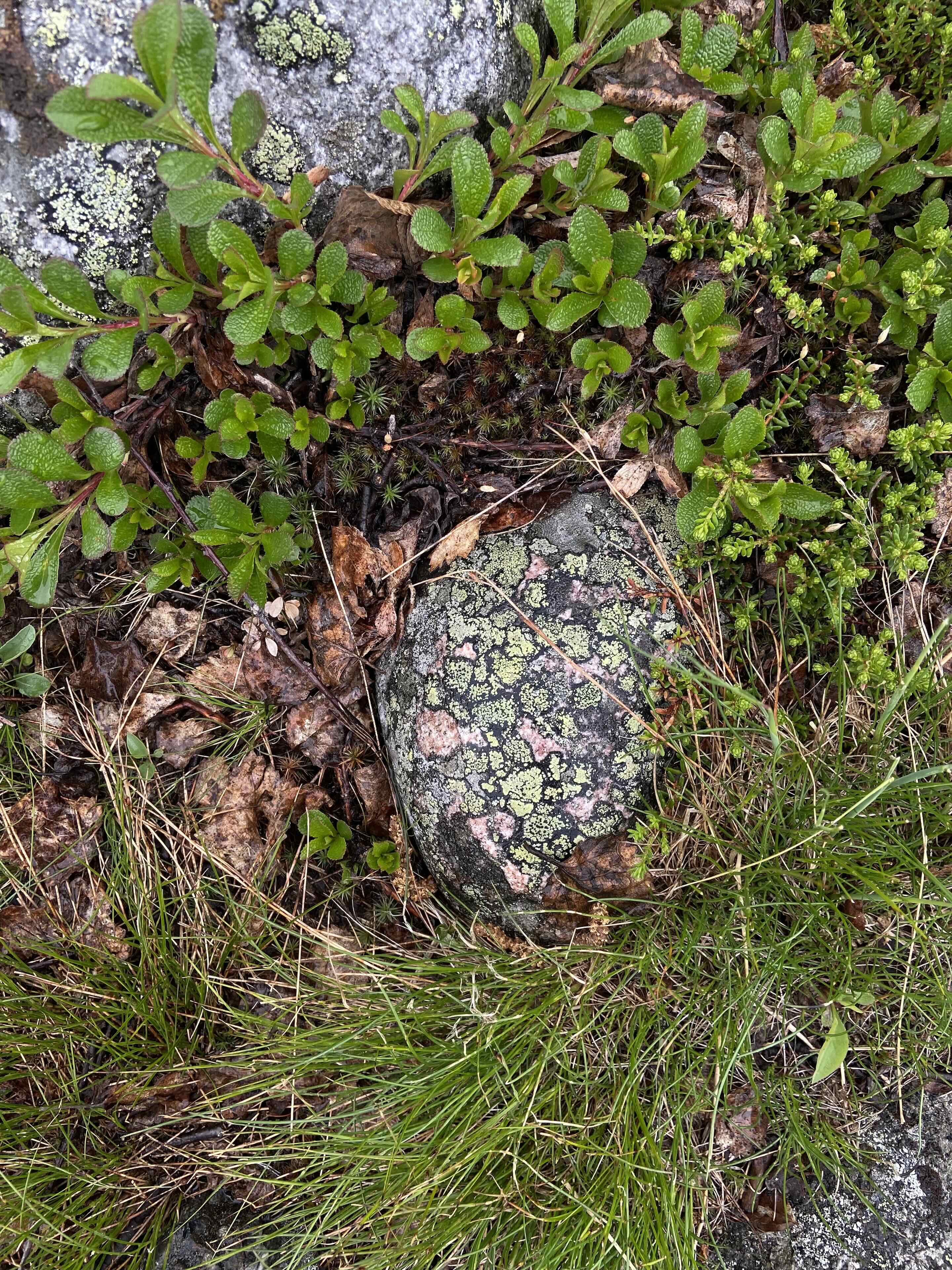
Kirovsk:
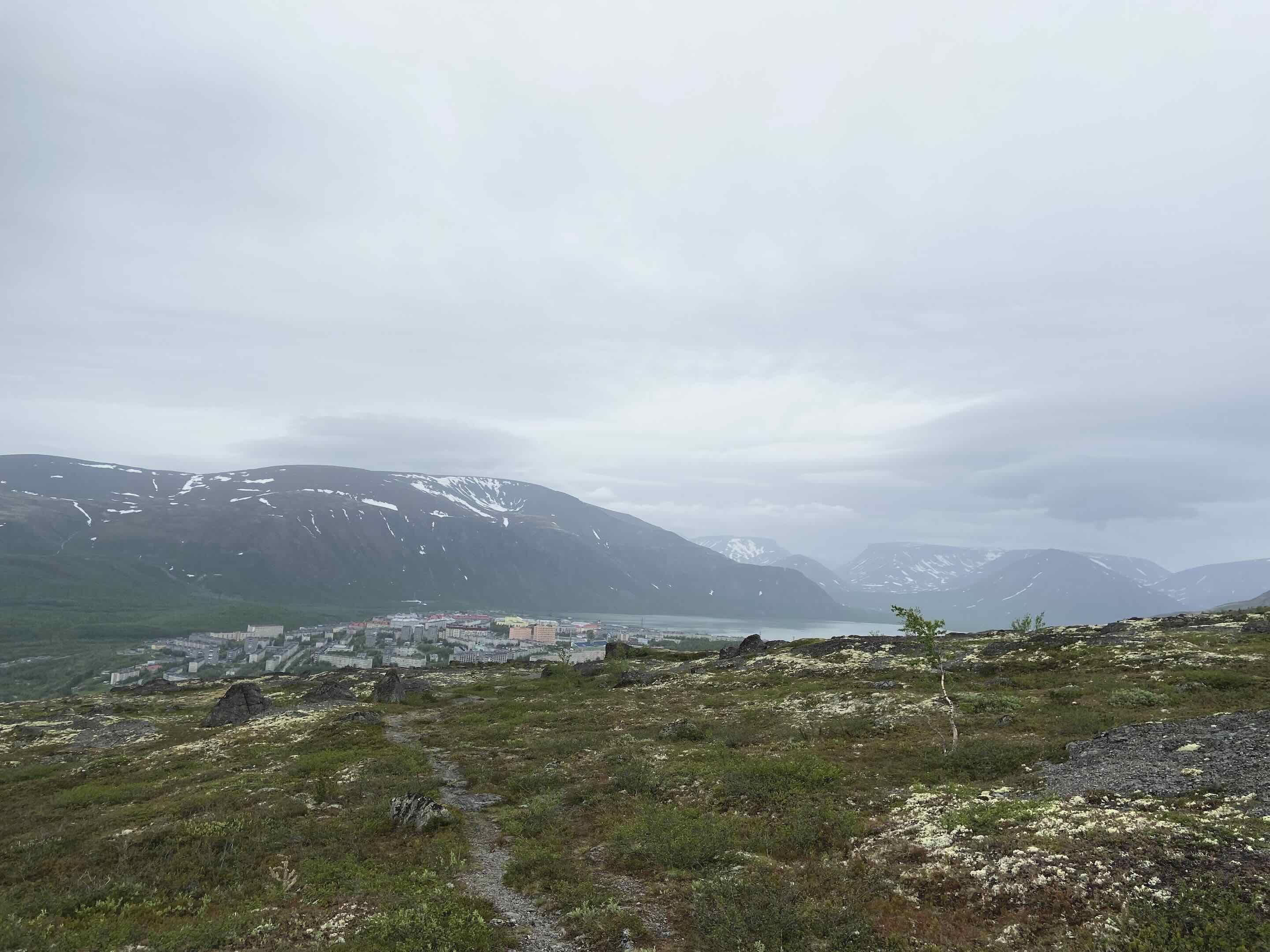
The town grew out of a workers’ settlement built around apatite mining. It received town status in 1931 and was called Khibinogorsk until 1934.
We descend into town:
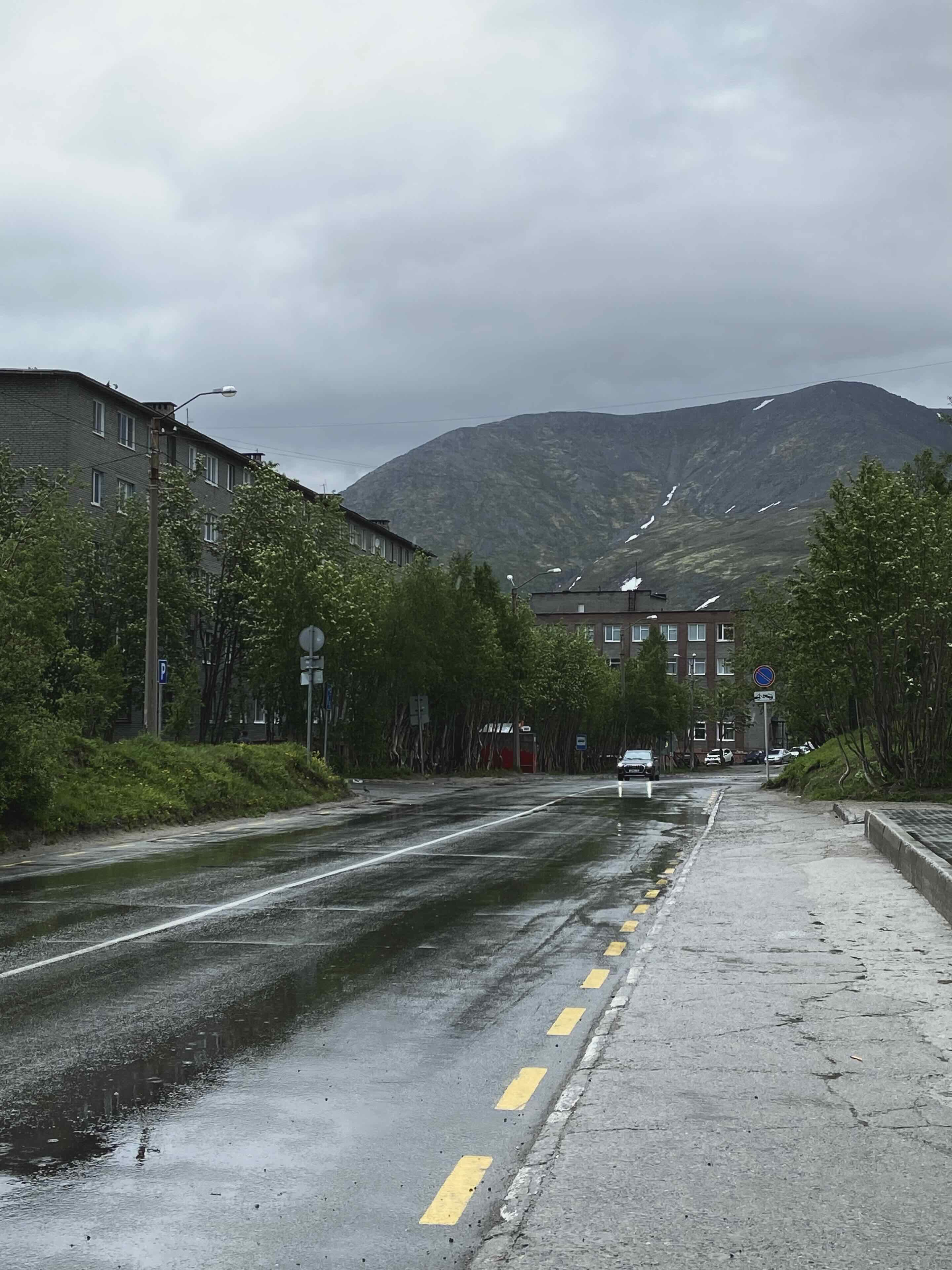
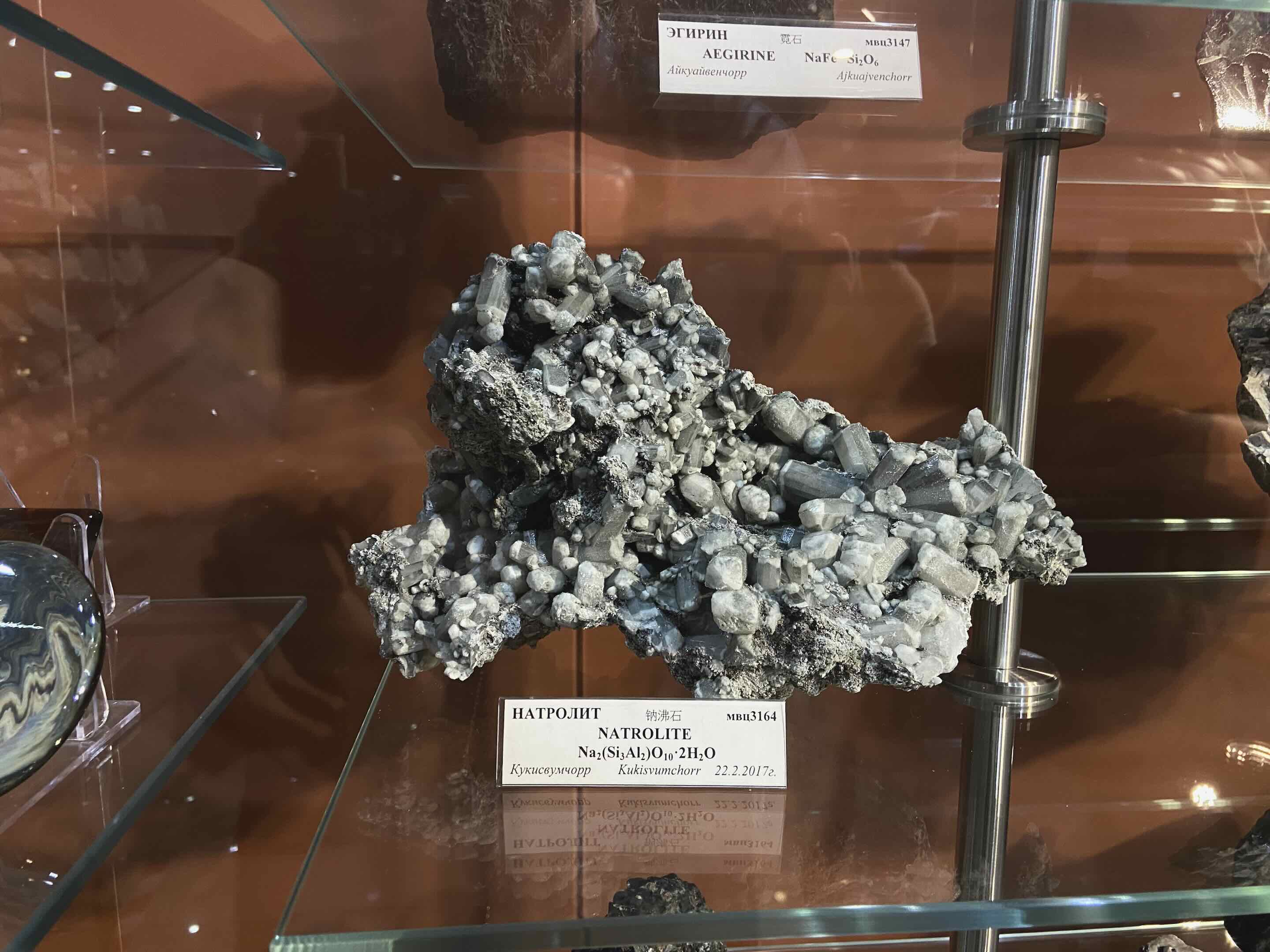
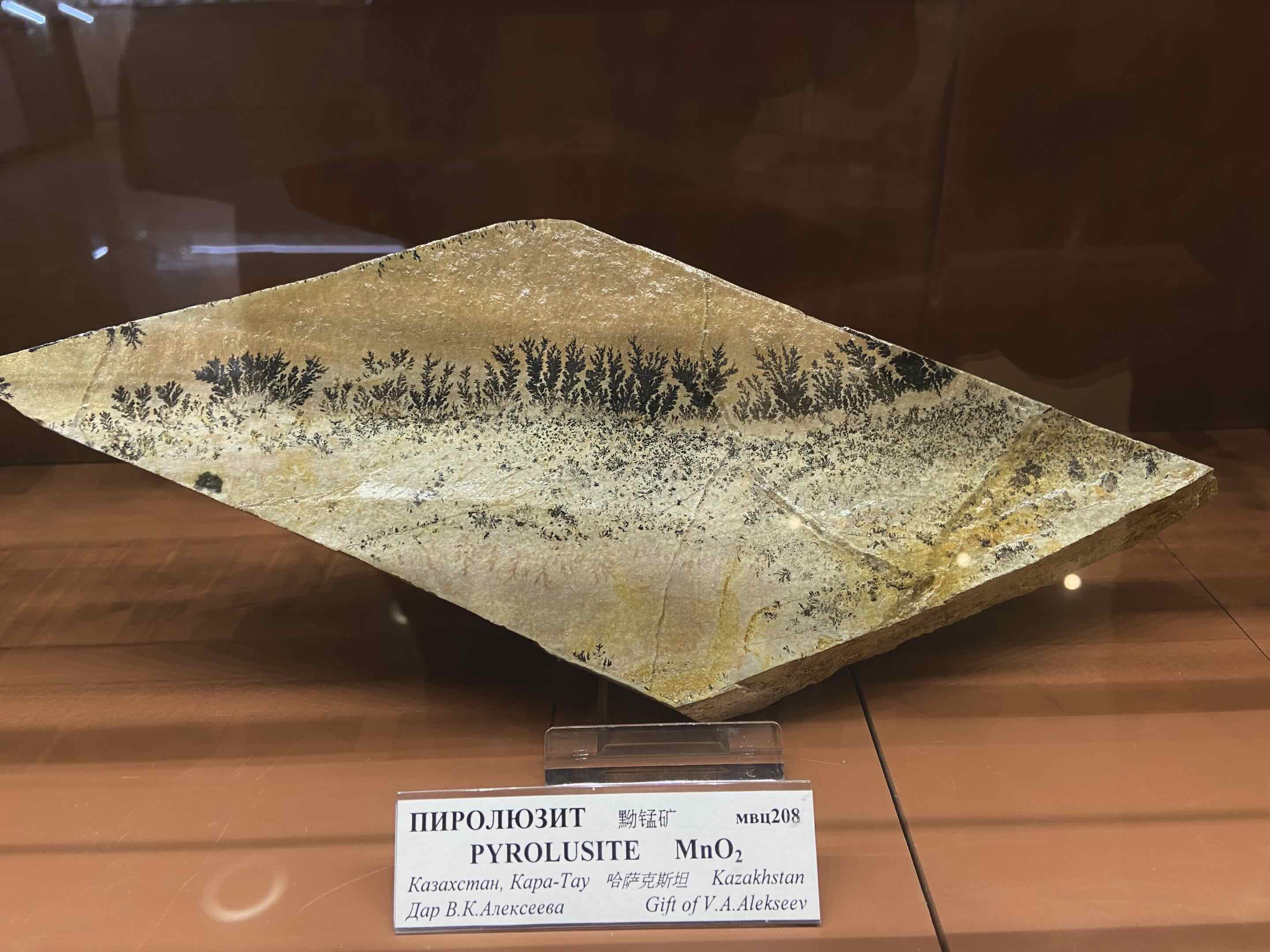
The town has a mining plant museum with a huge collection of beautiful minerals. We had only half an hour to see it, so we promised ourselves again that we would come back:
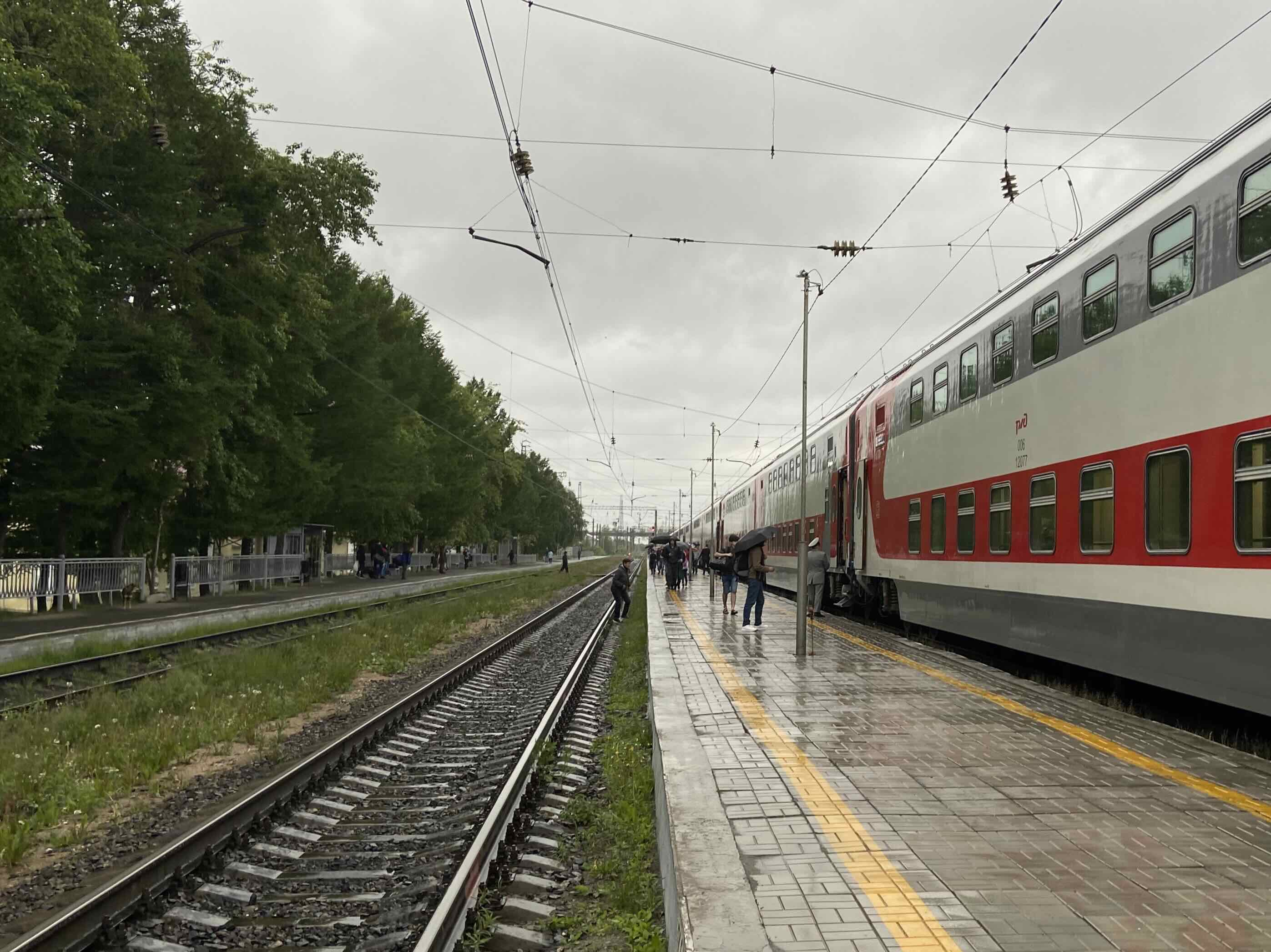
In the evening we board a train to Murmansk:
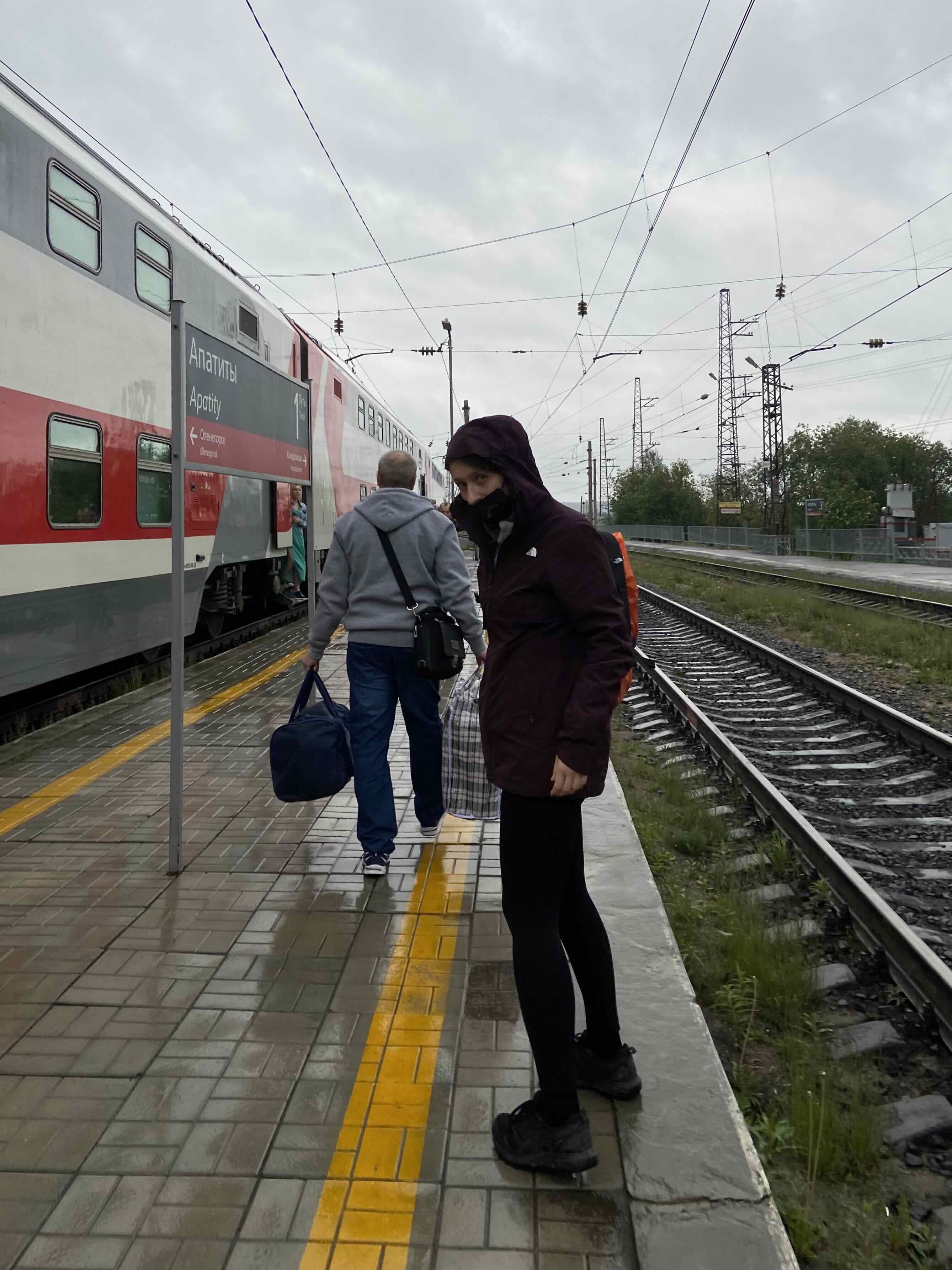
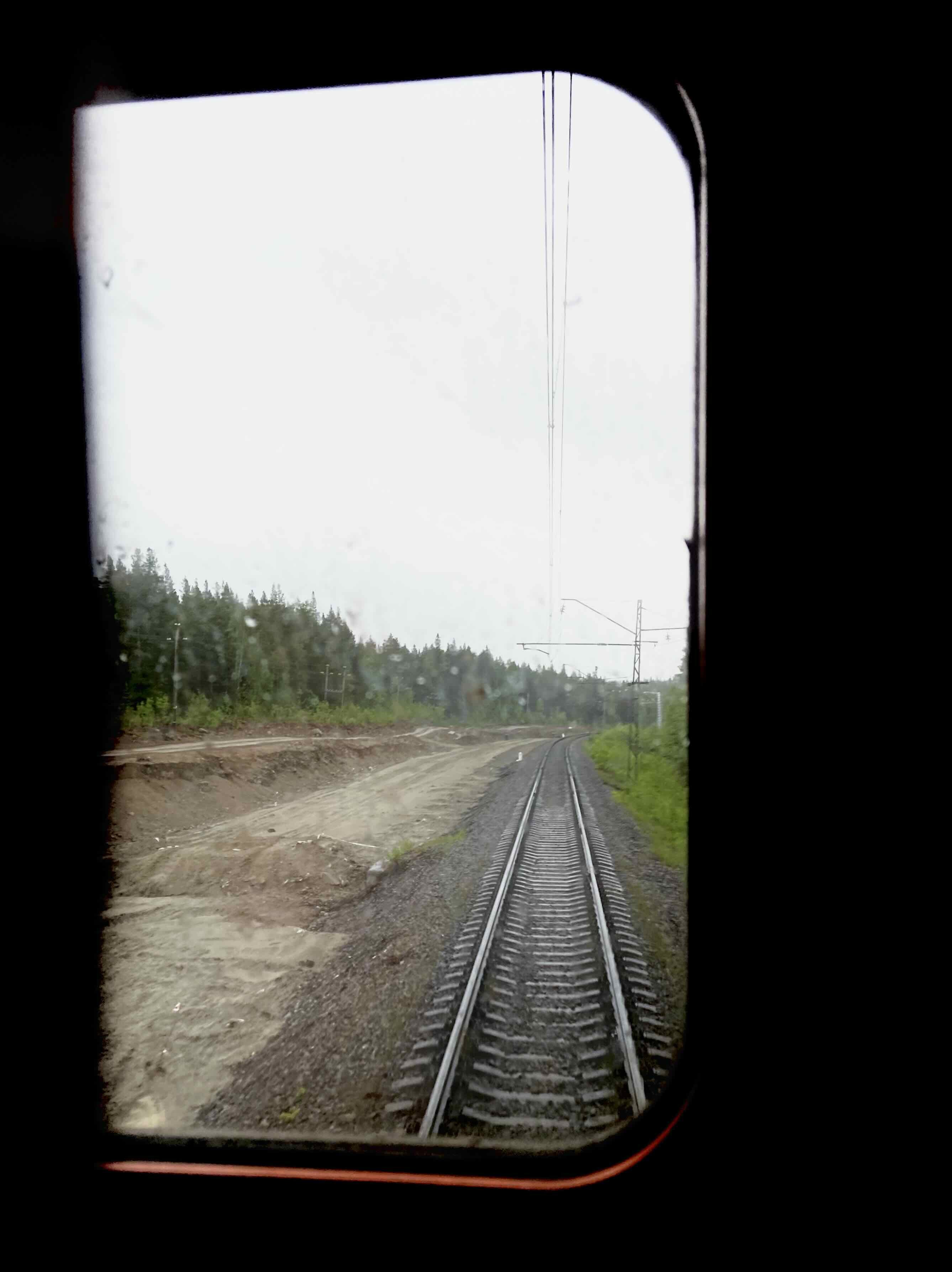
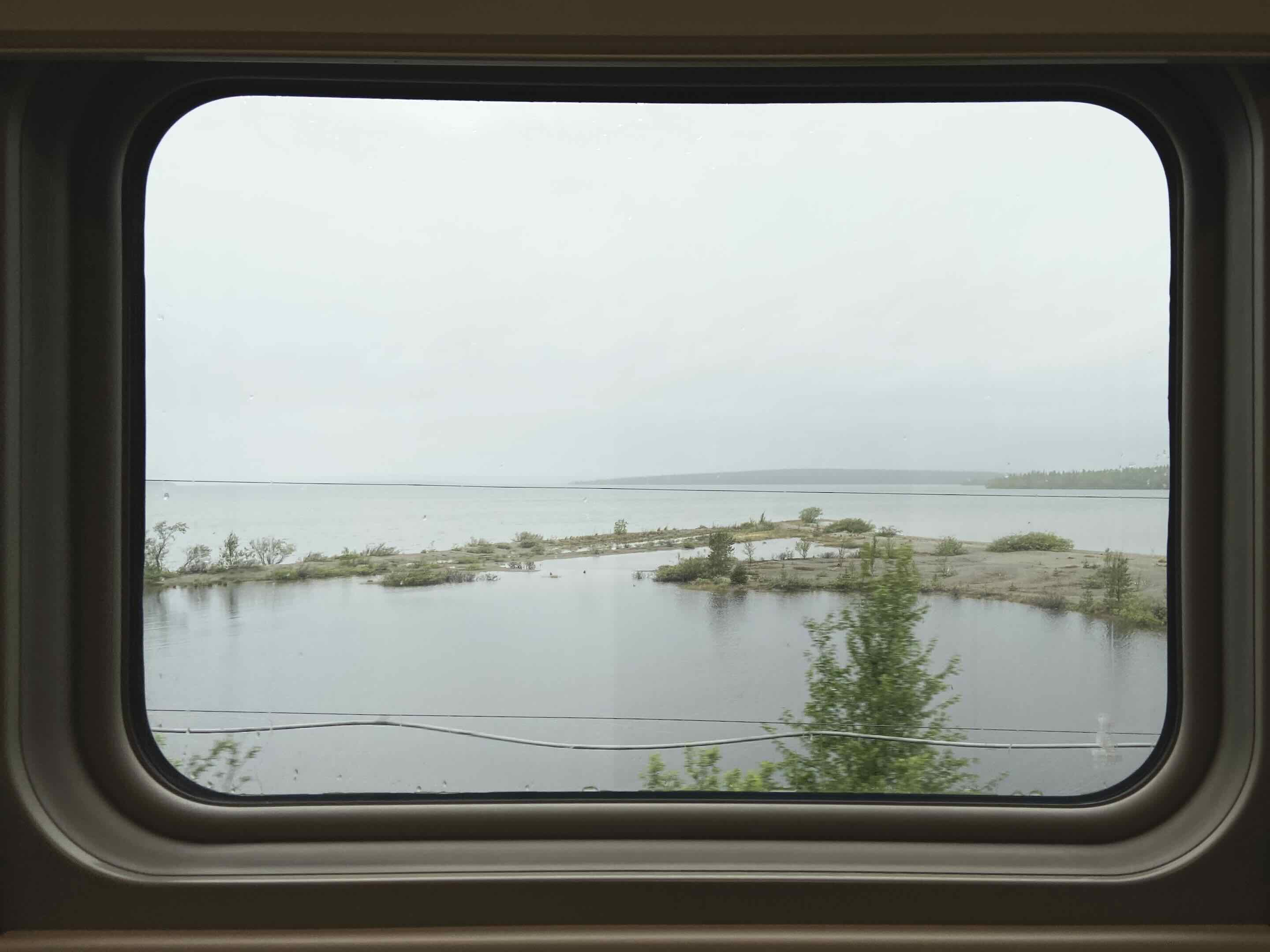
Lake Imandra:
We go to bed. This is what polar day looks like, when the sun never sets below the horizon. In Murmansk, polar day begins on May 21 and ends on July 23. That fact completely rewired my brain. I recommend everyone experience it at least once.
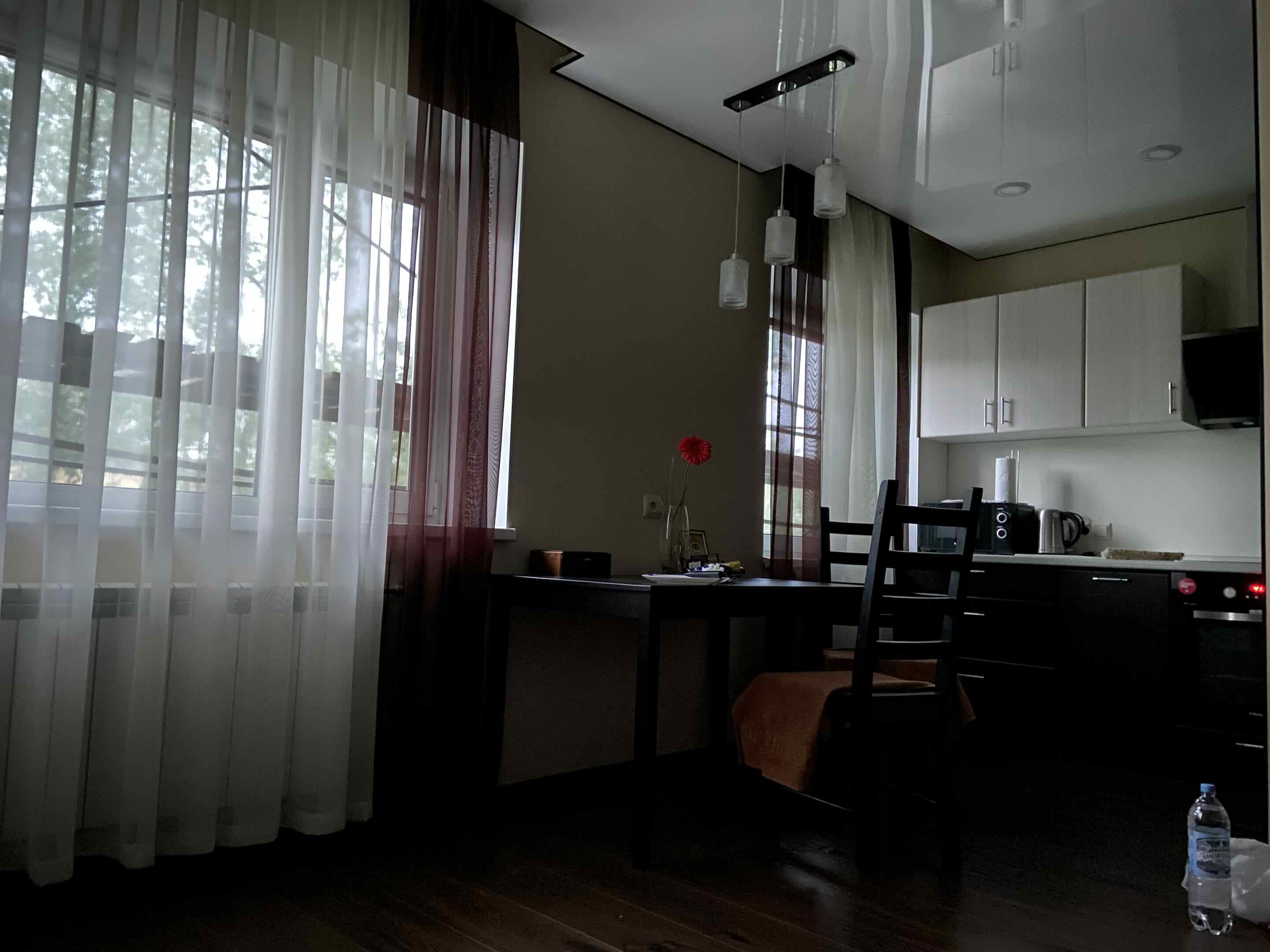
In the morning we skip Murmansk, pick up a car and drive to Teriberka, one of the most accessible places on Russia’s Arctic coast. The village has been known since the 16th century as a settlement of fishermen. It began gaining popularity with tourists after Leviathan was filmed there in 2014. The film, by the way, is heavy and devastating, but well shot.
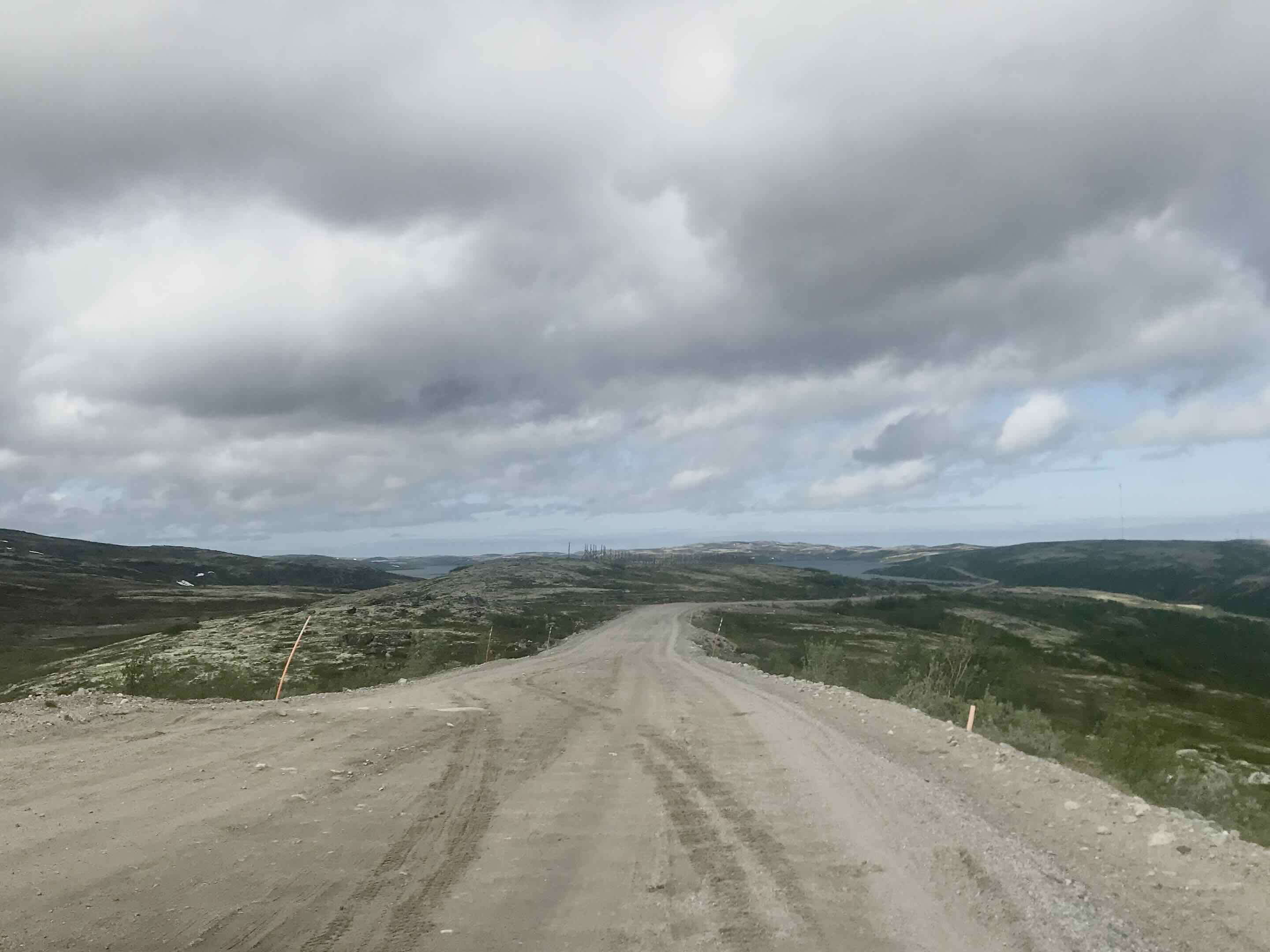
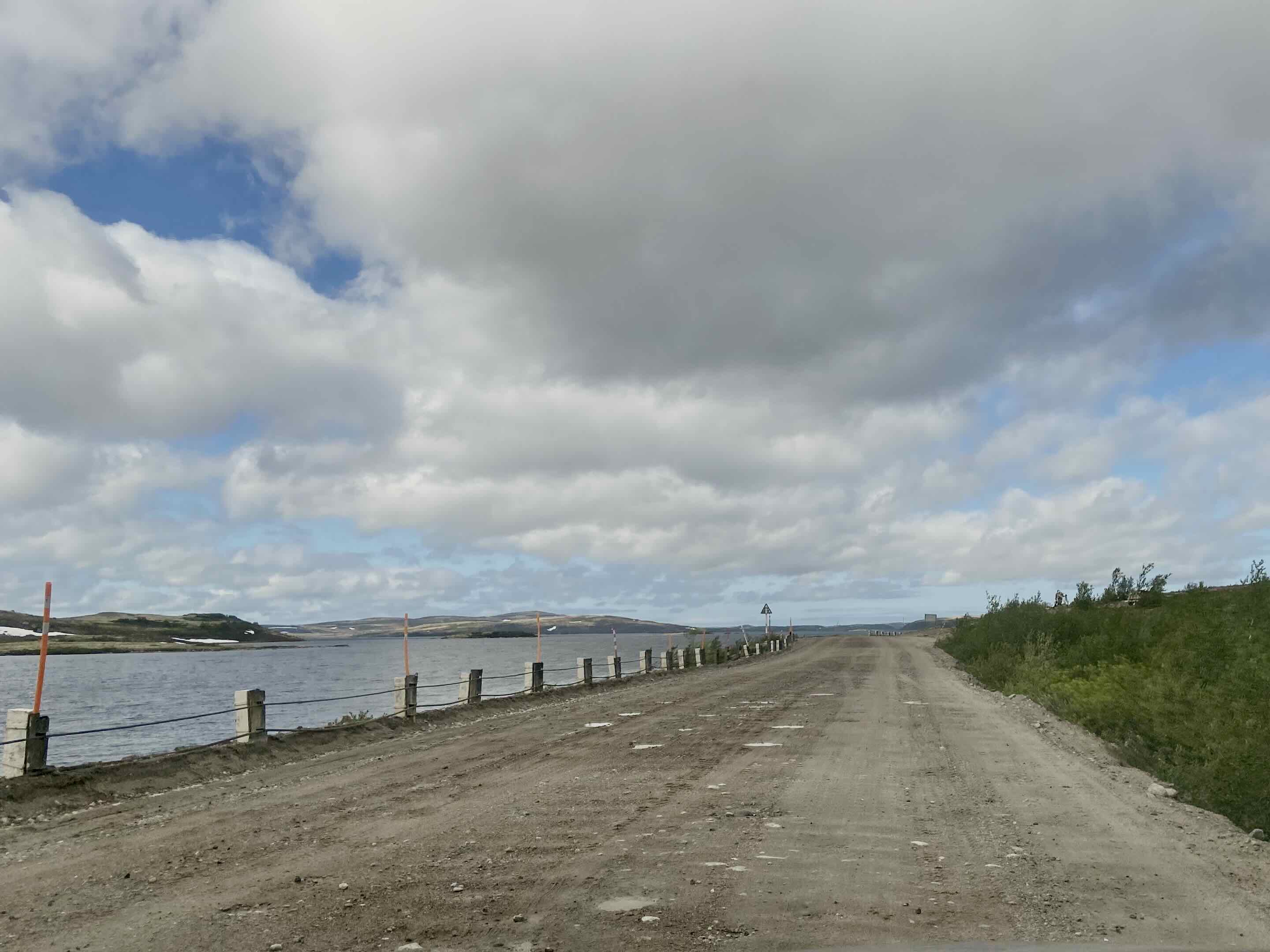
The drive takes three hours. Endless tundra along the way:
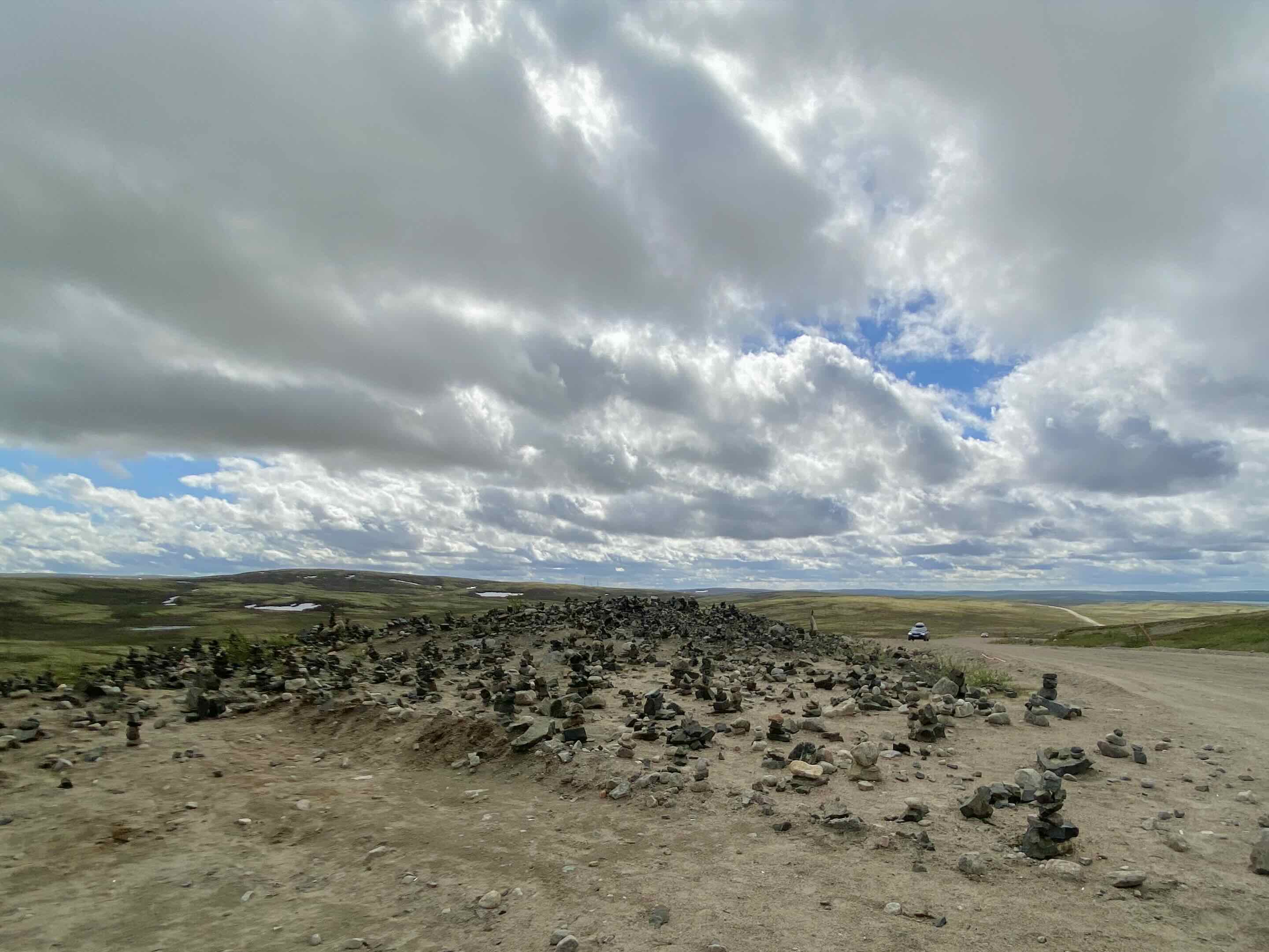
Most of the road was gravel, but they had already started laying asphalt.
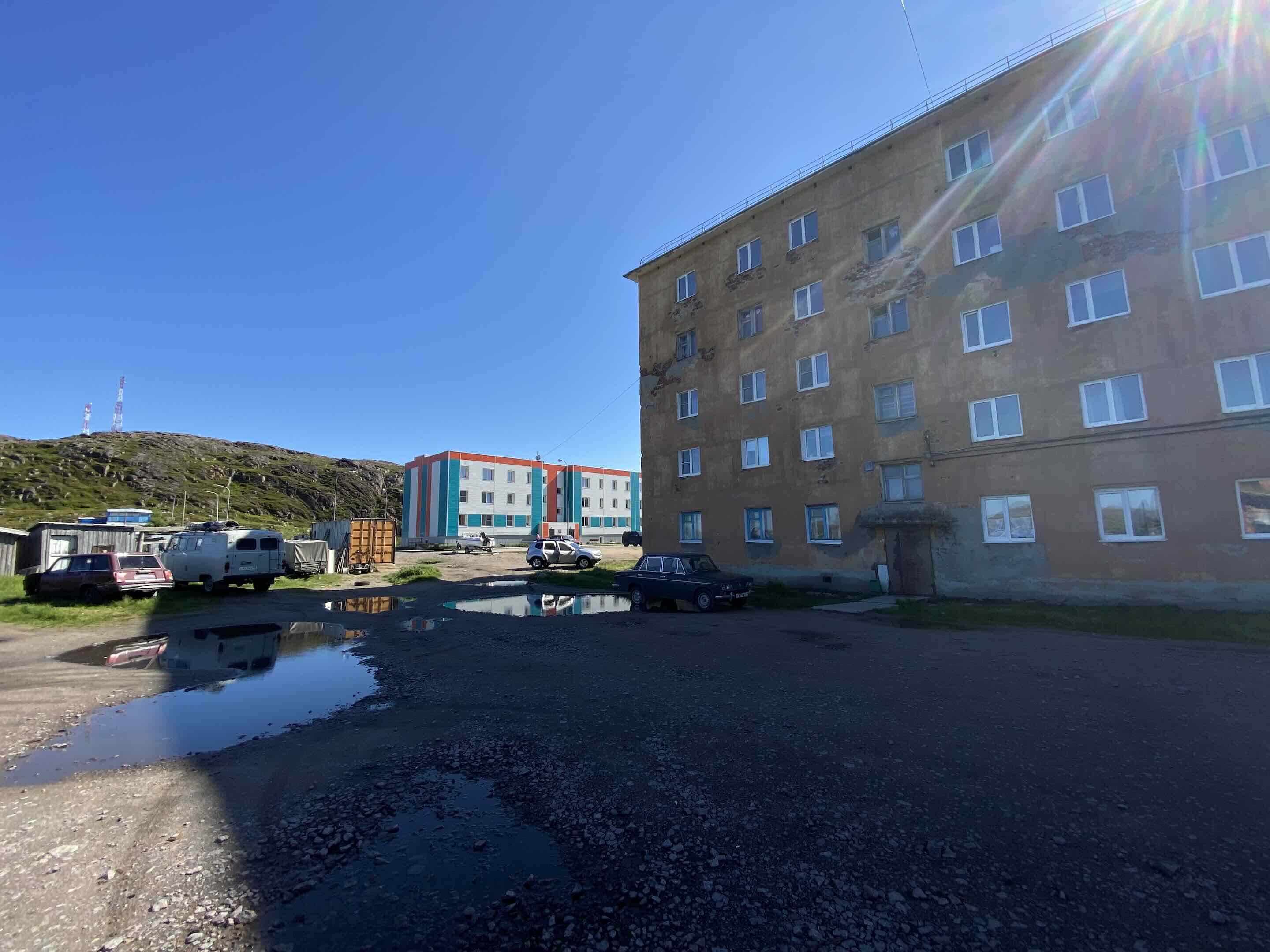
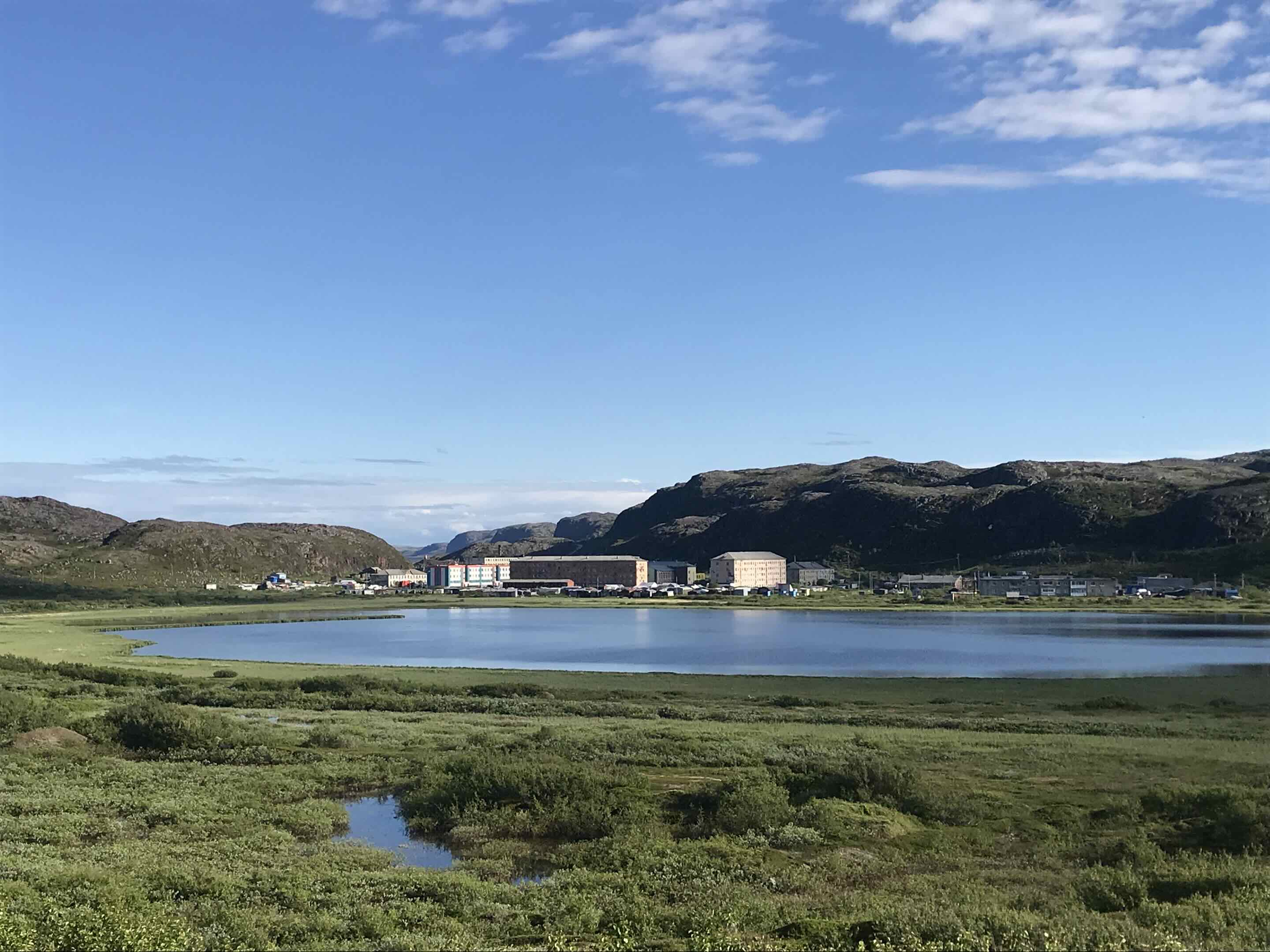
We stay in the new part of the village:
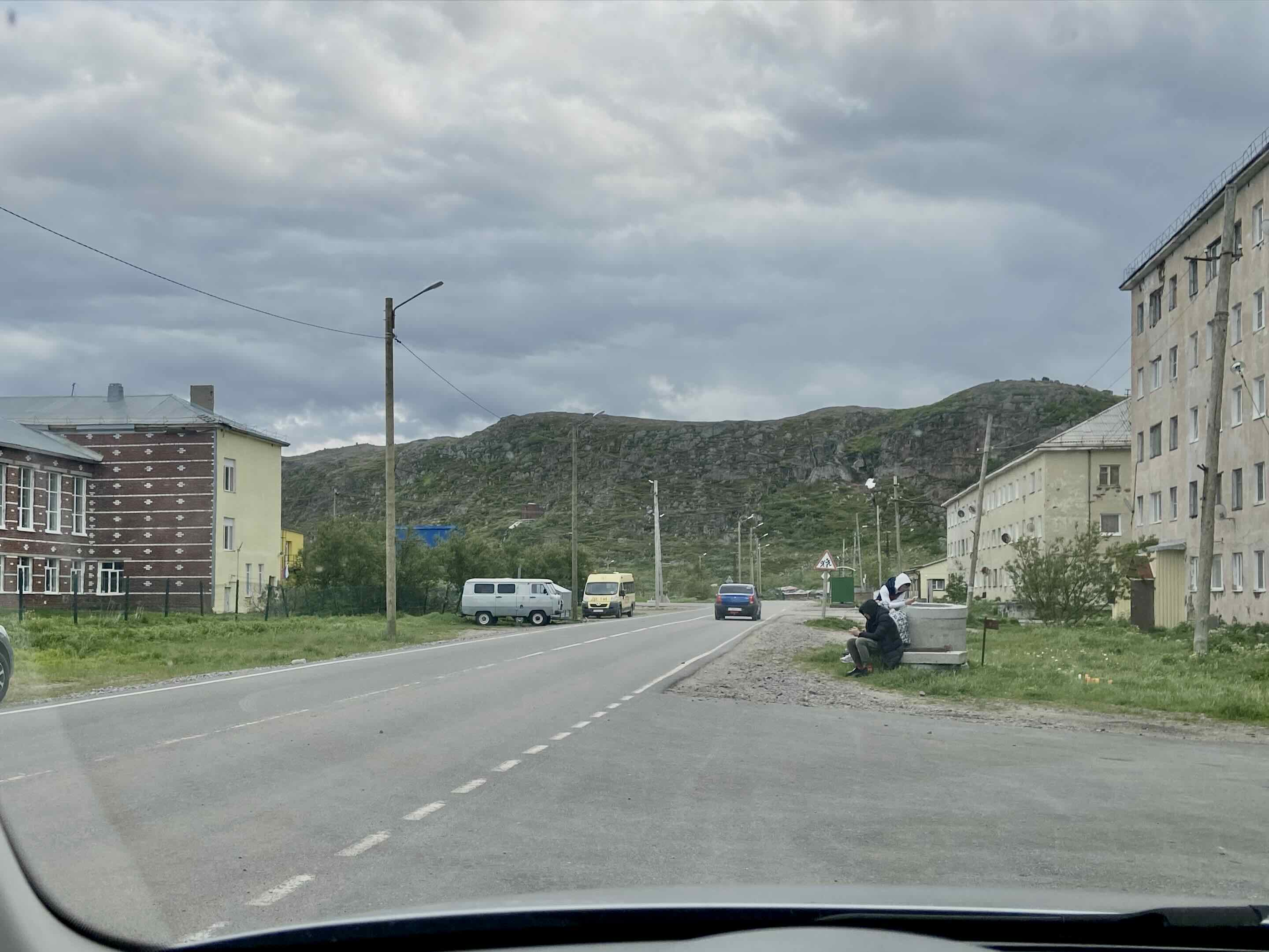
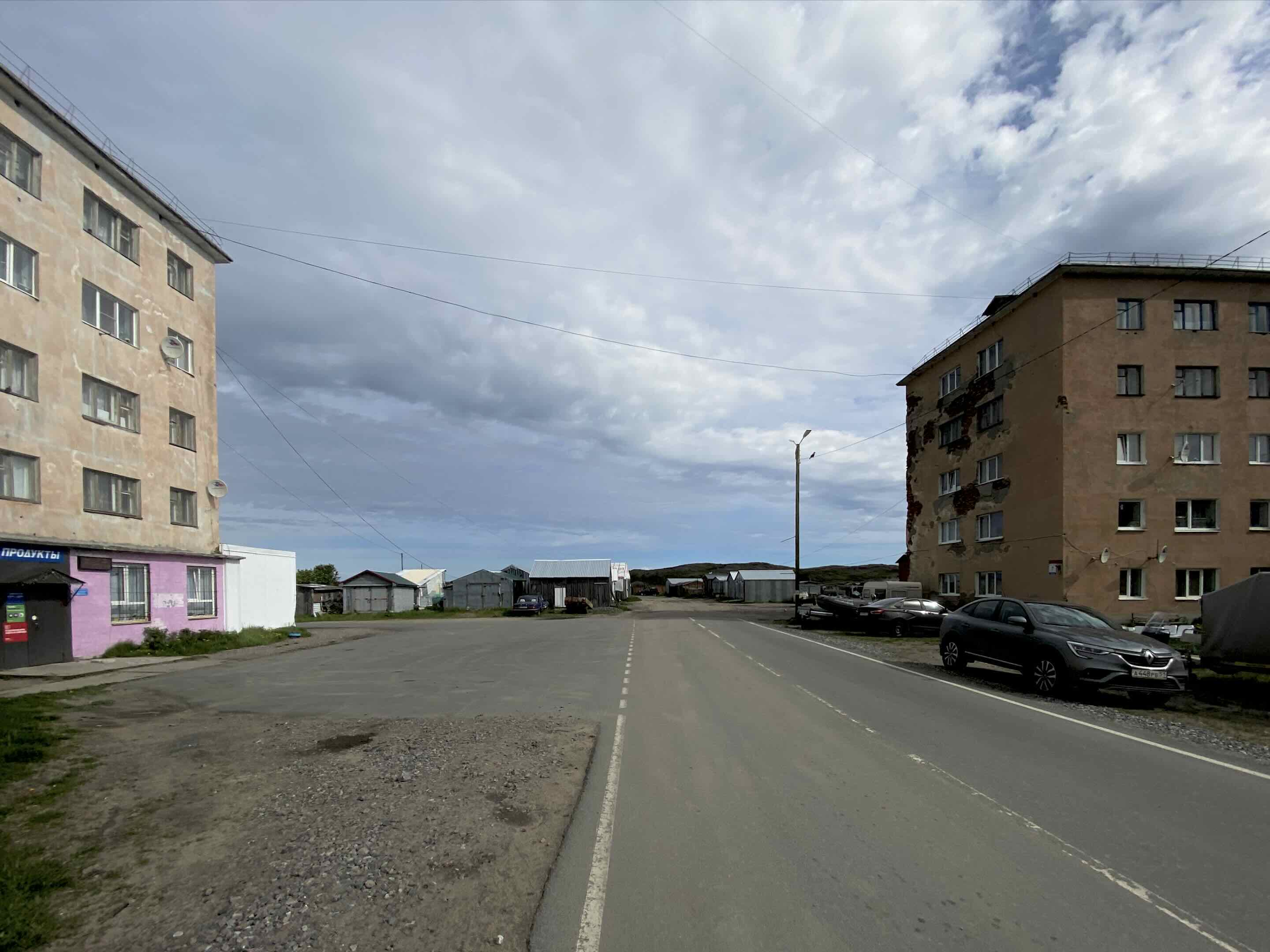
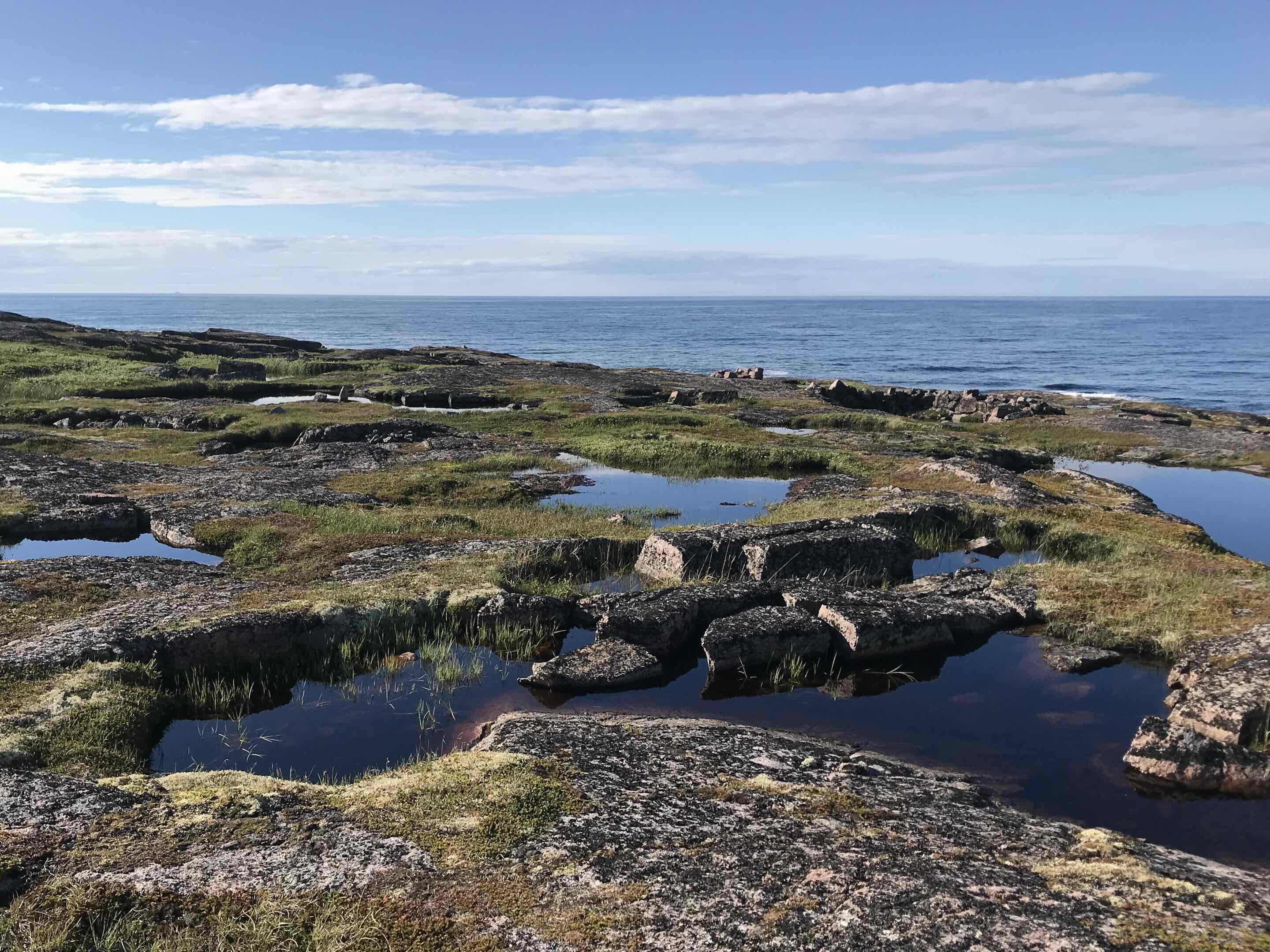
We walk to the ocean:
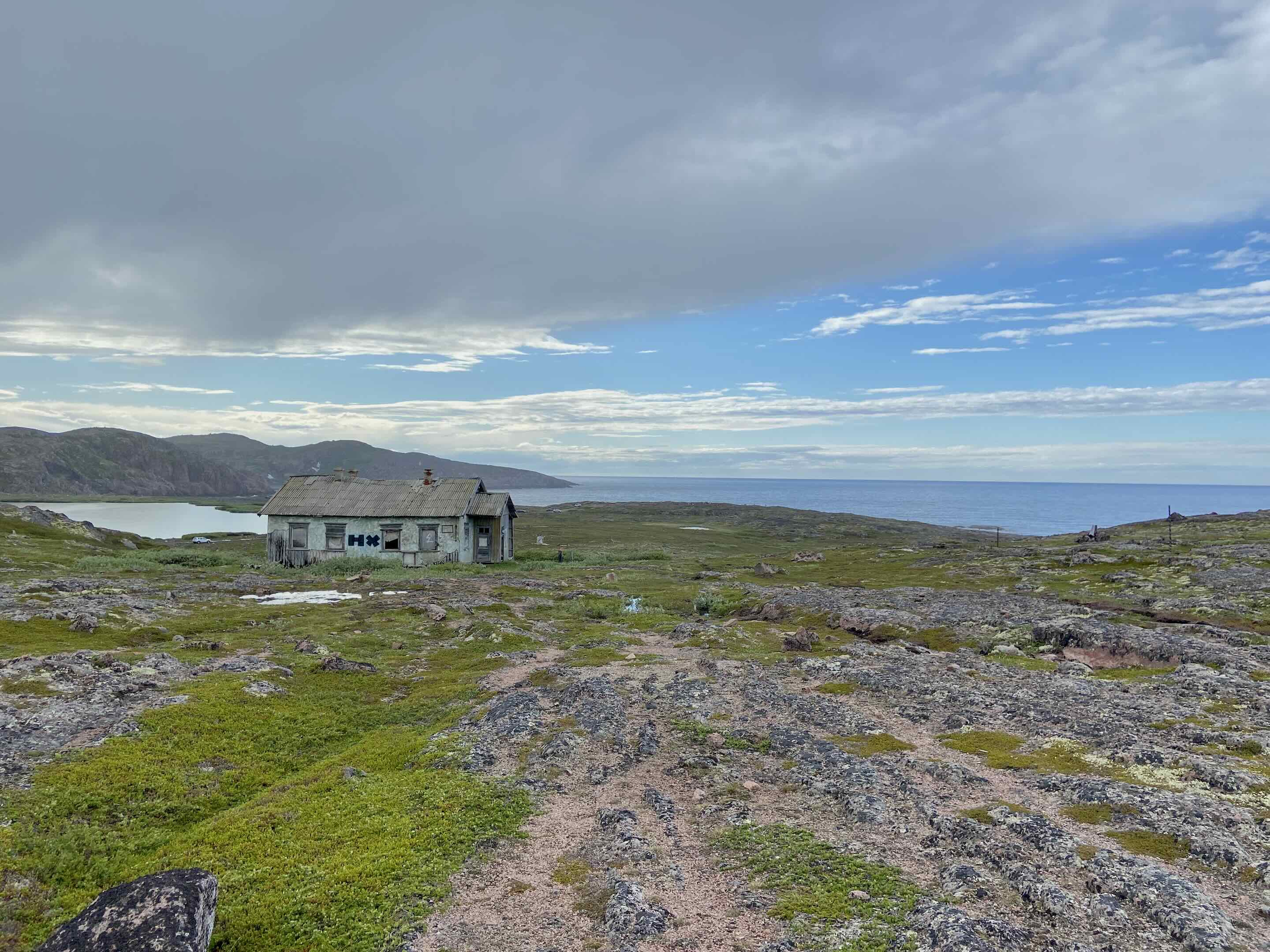
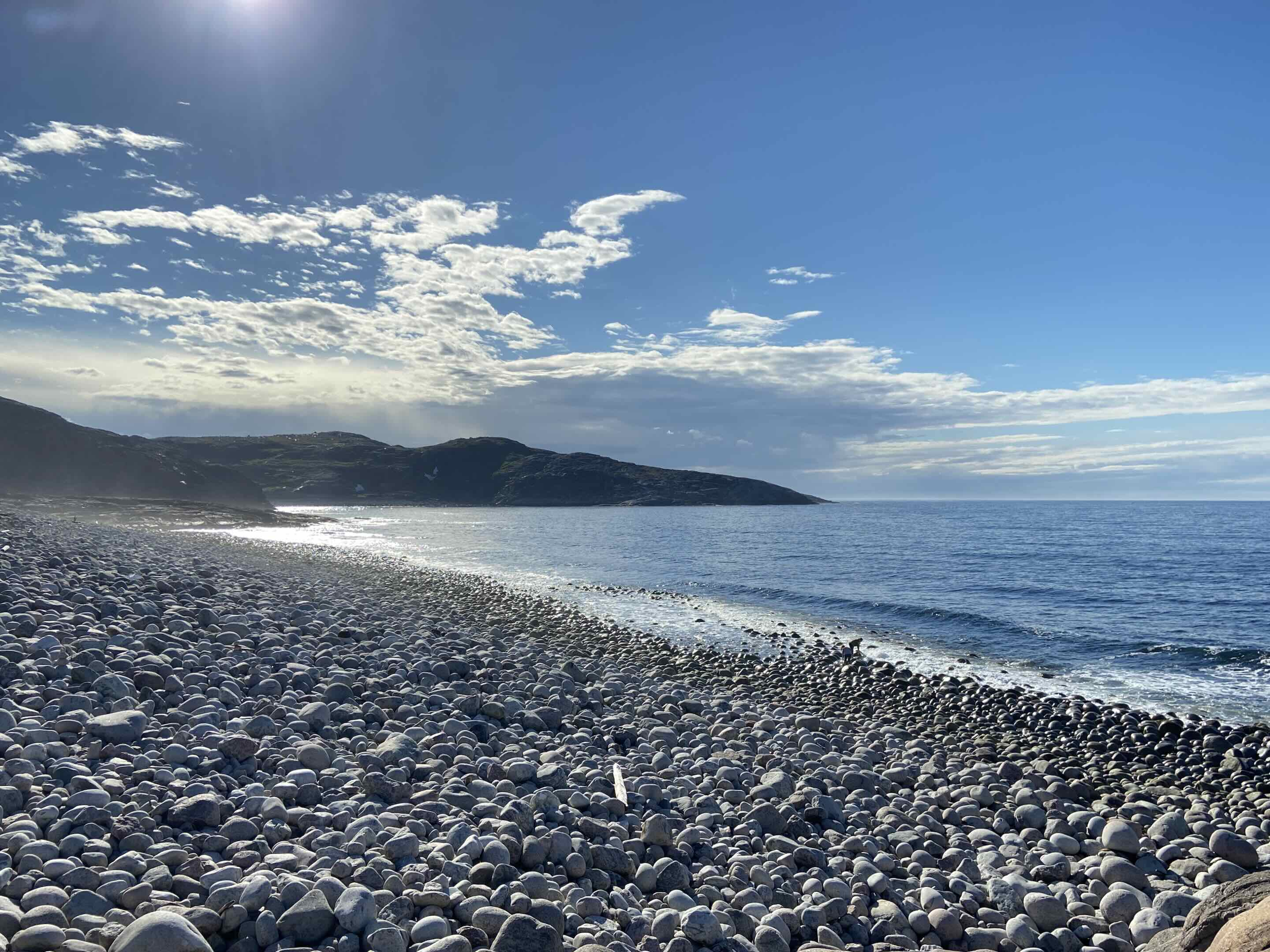
What else could this shore be called? Dragon Eggs, of course!
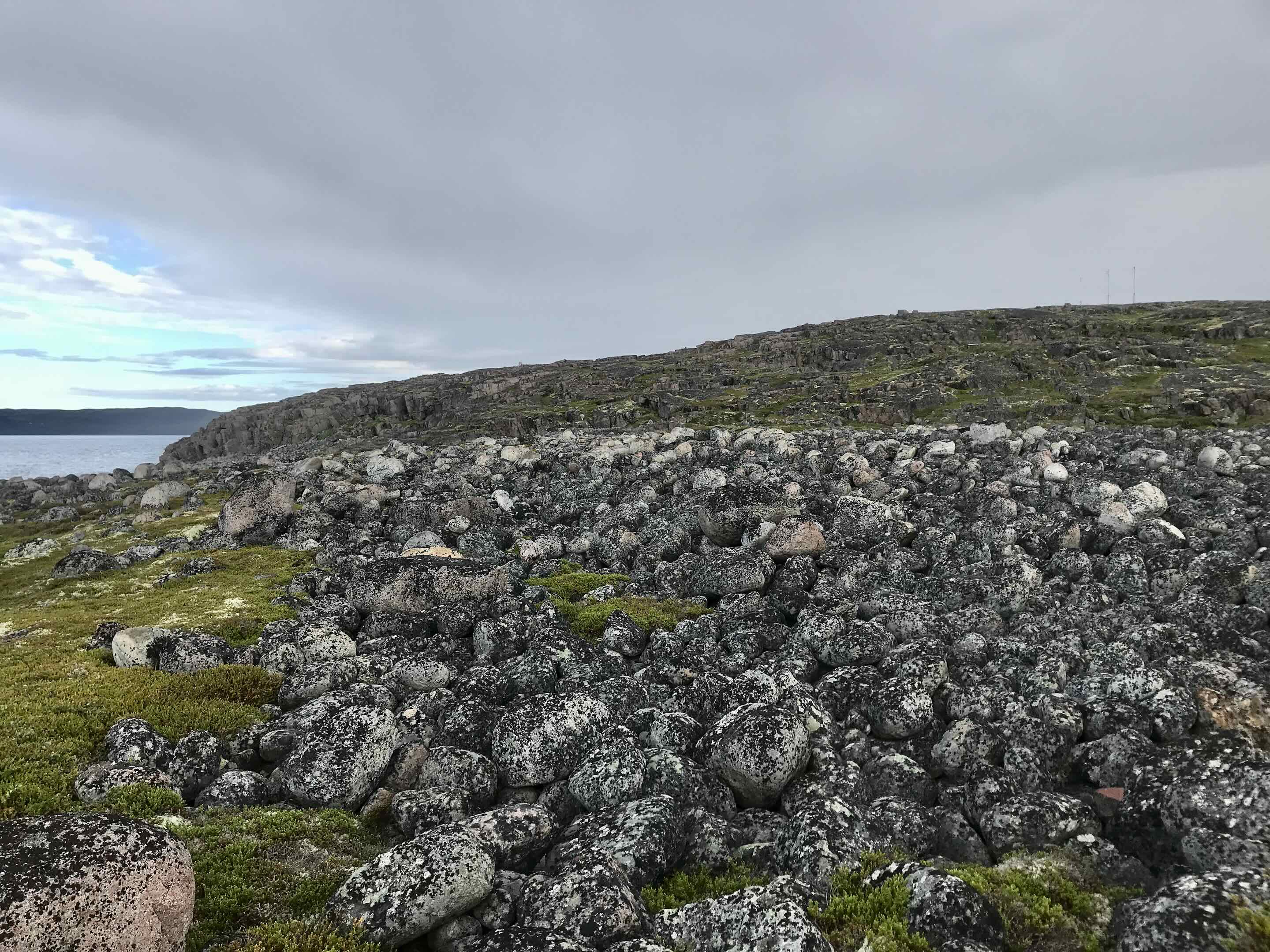
We make our way over the boulders:
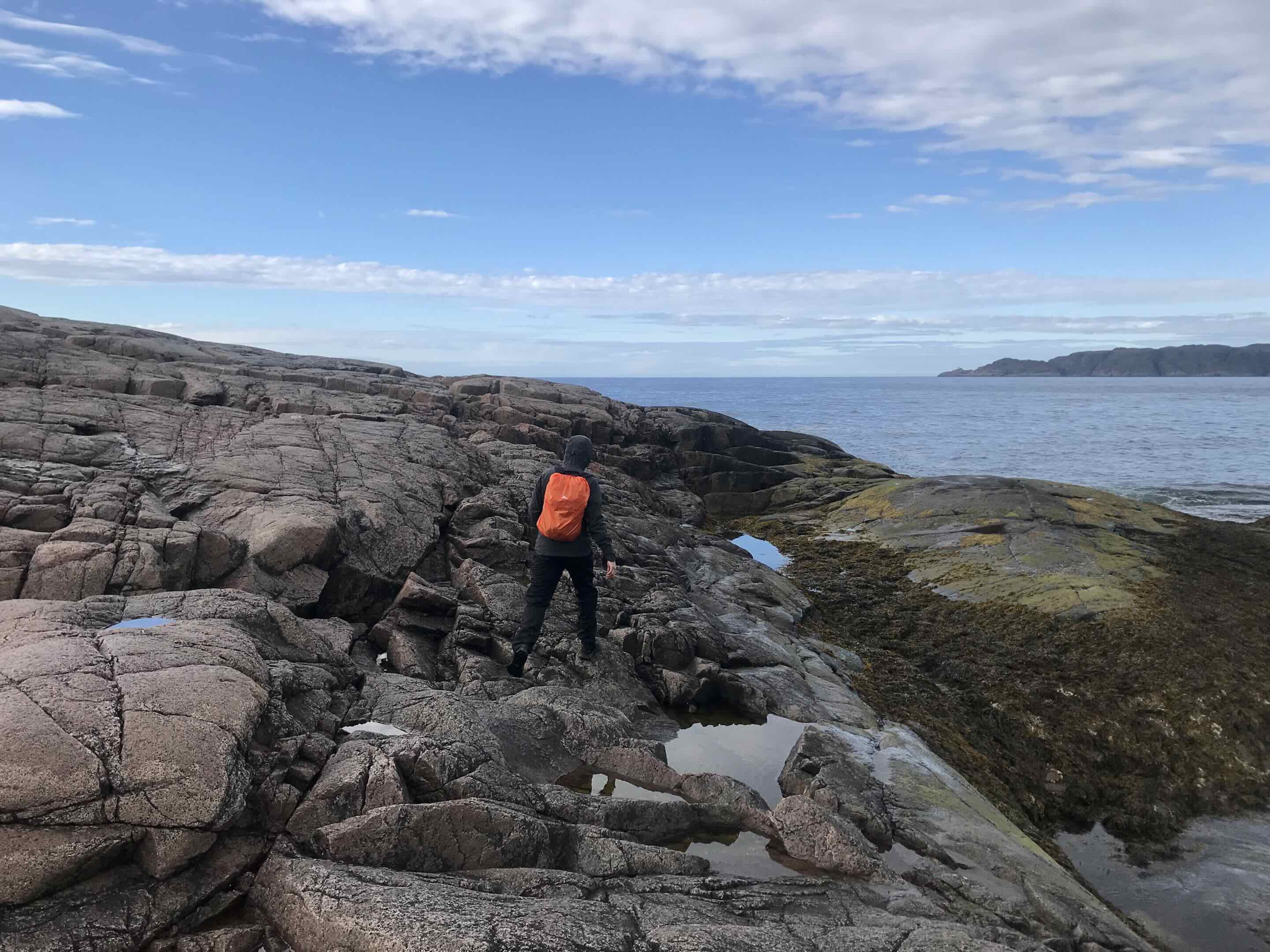
The Arctic Ocean!
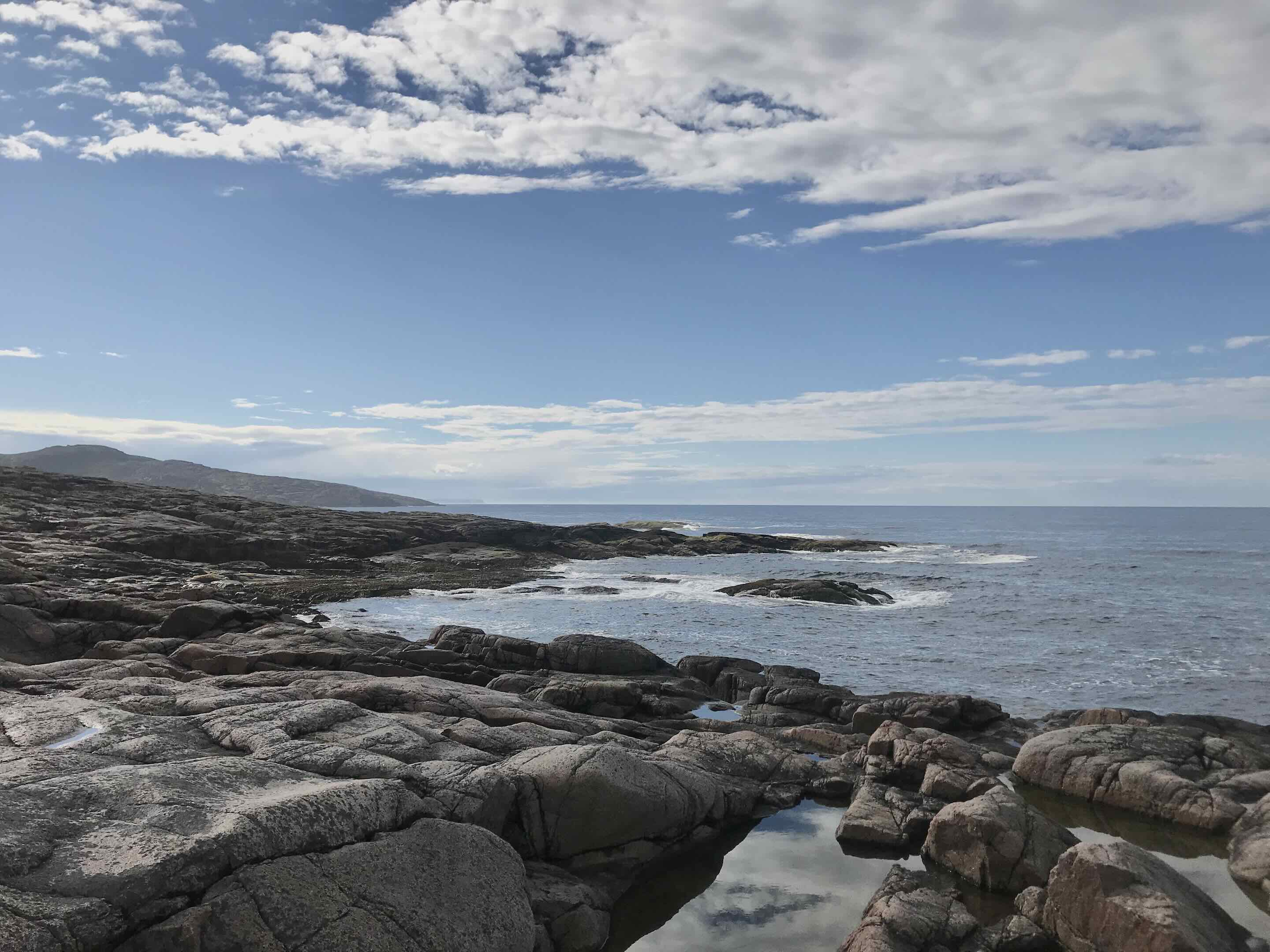
My second ocean after the Atlantic:
Incredibly beautiful:
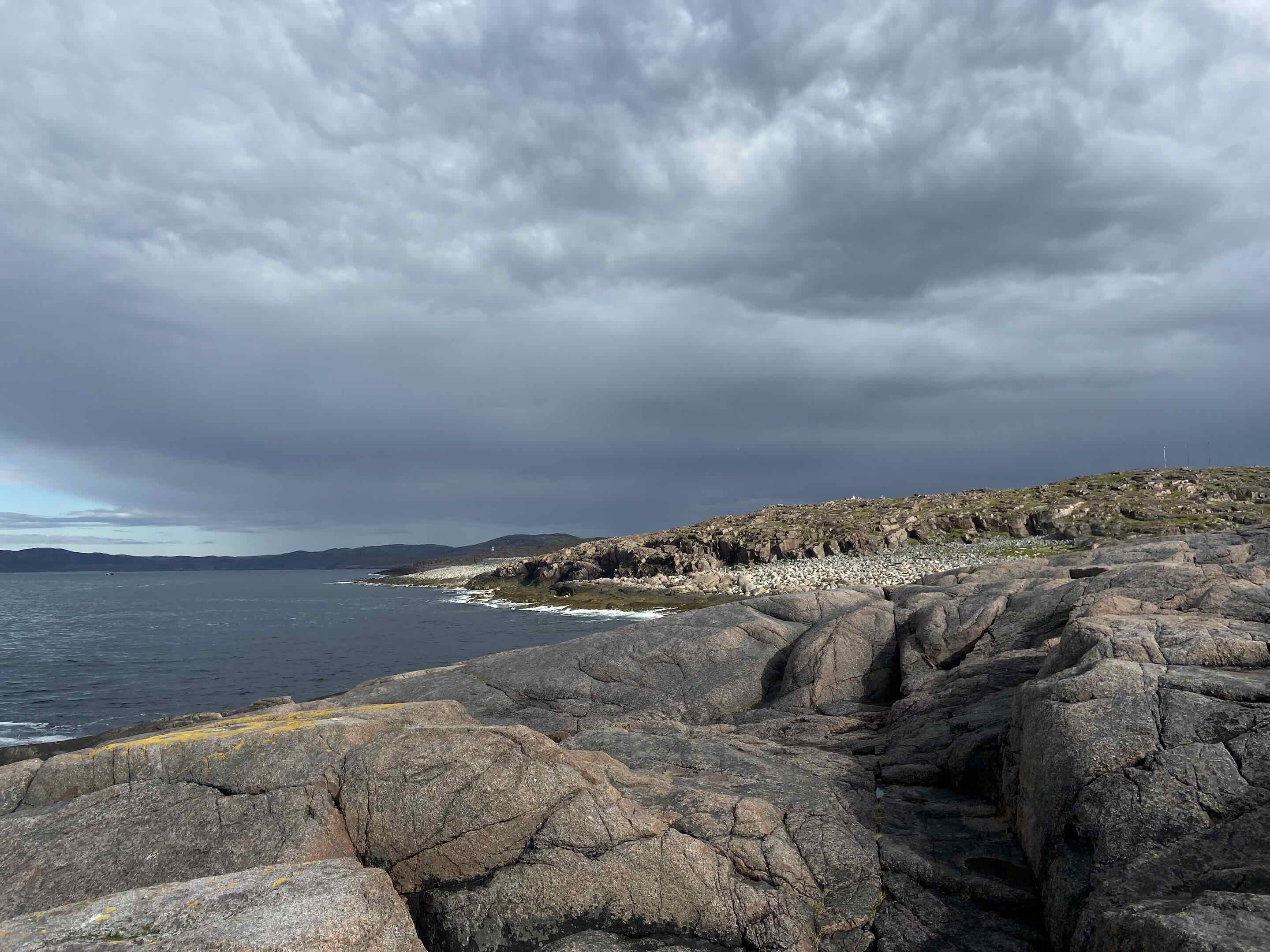
View of new Teriberka:
Eggs everywhere:
Locals say a bear was seen nearby recently. We ignore the warnings and head into the tundra:
Some dogs tag along:
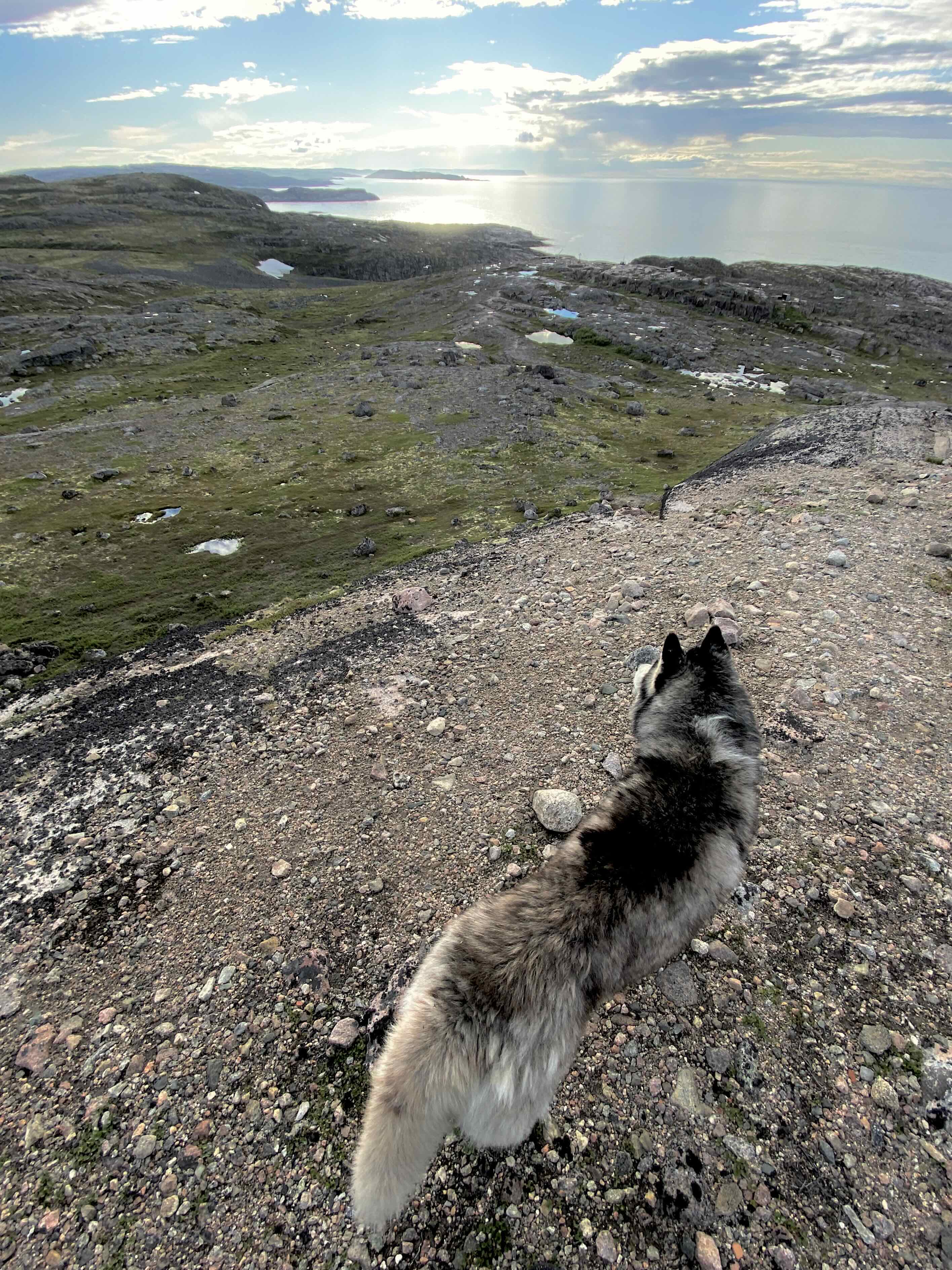
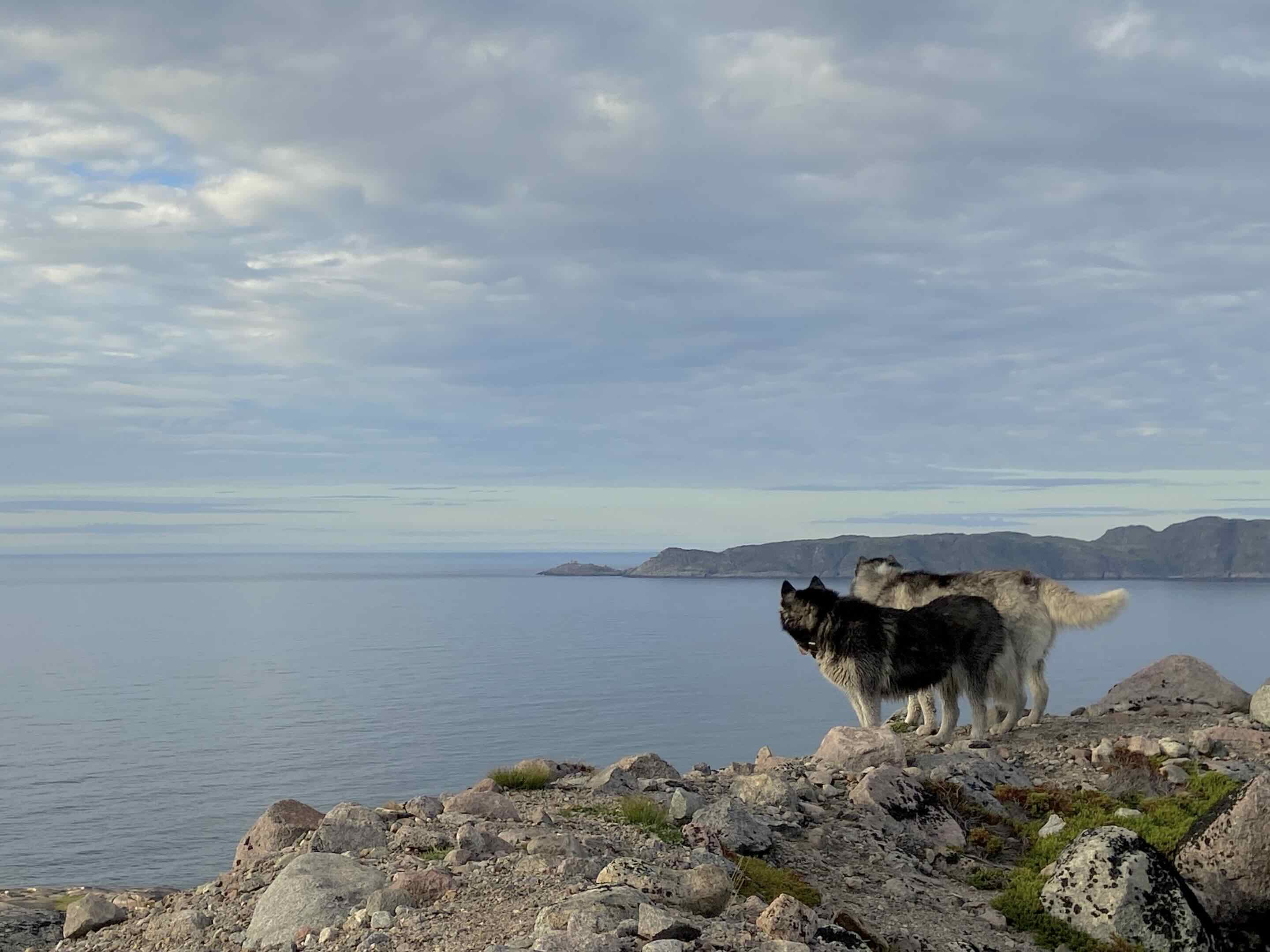
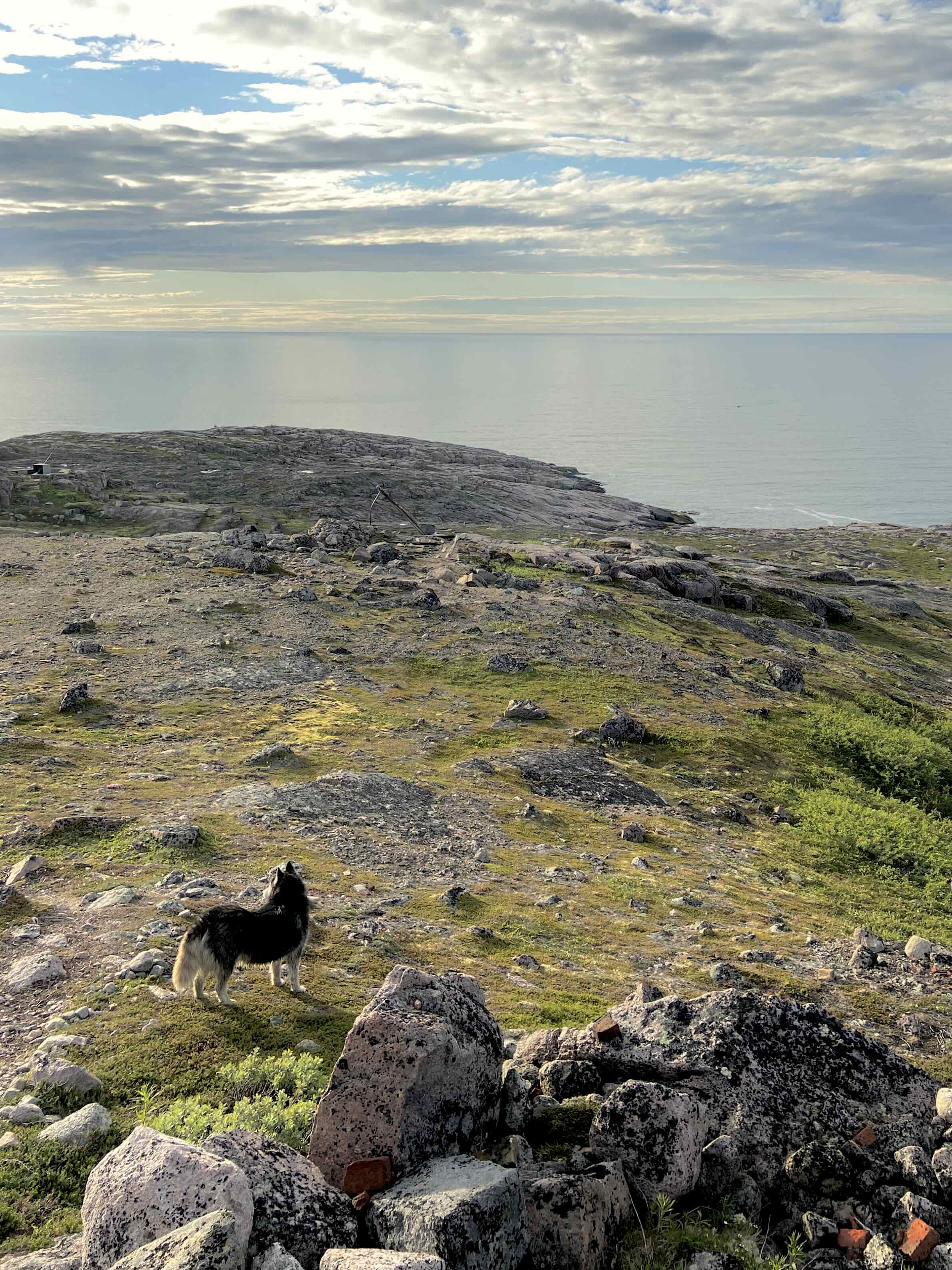
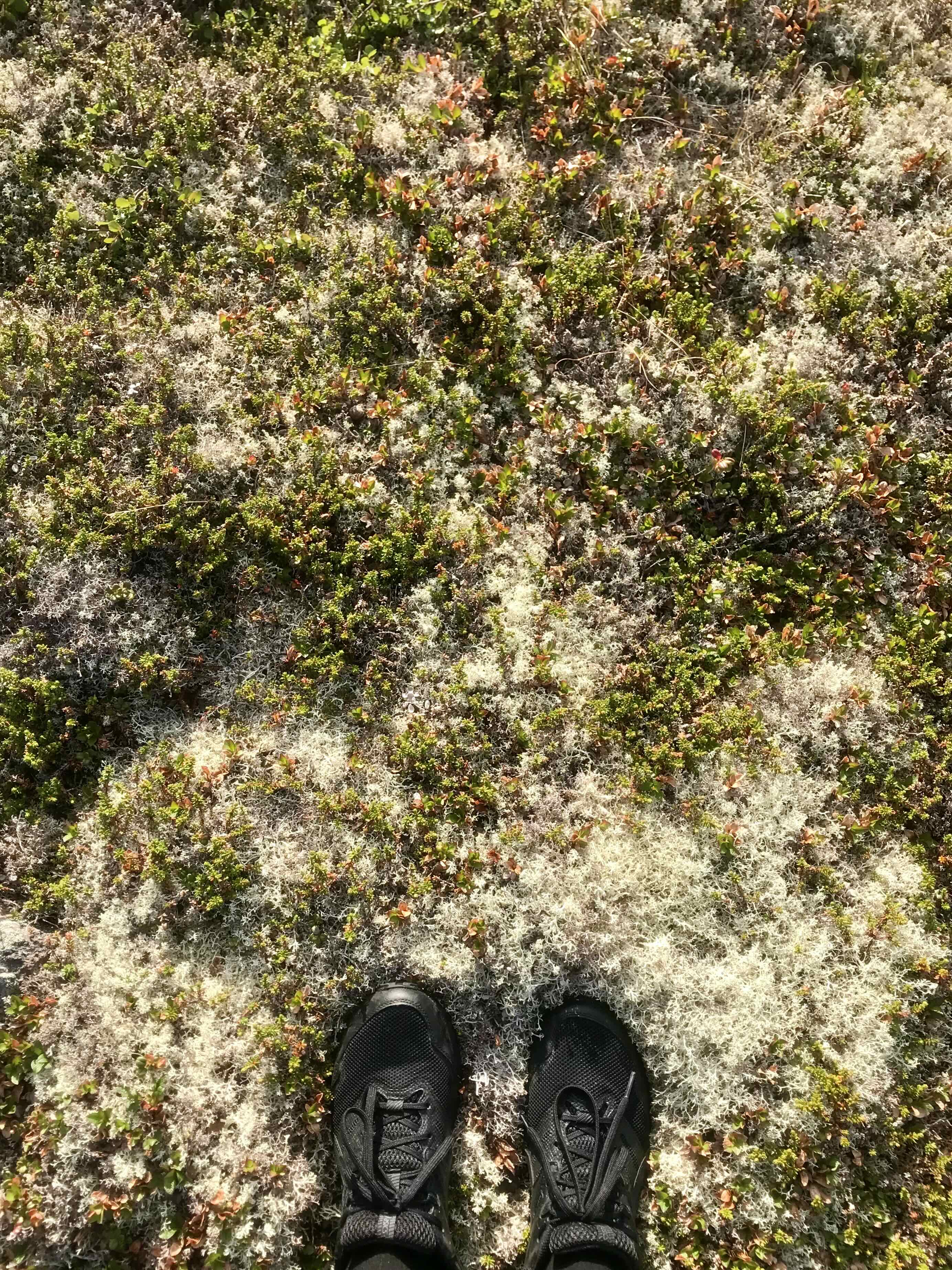
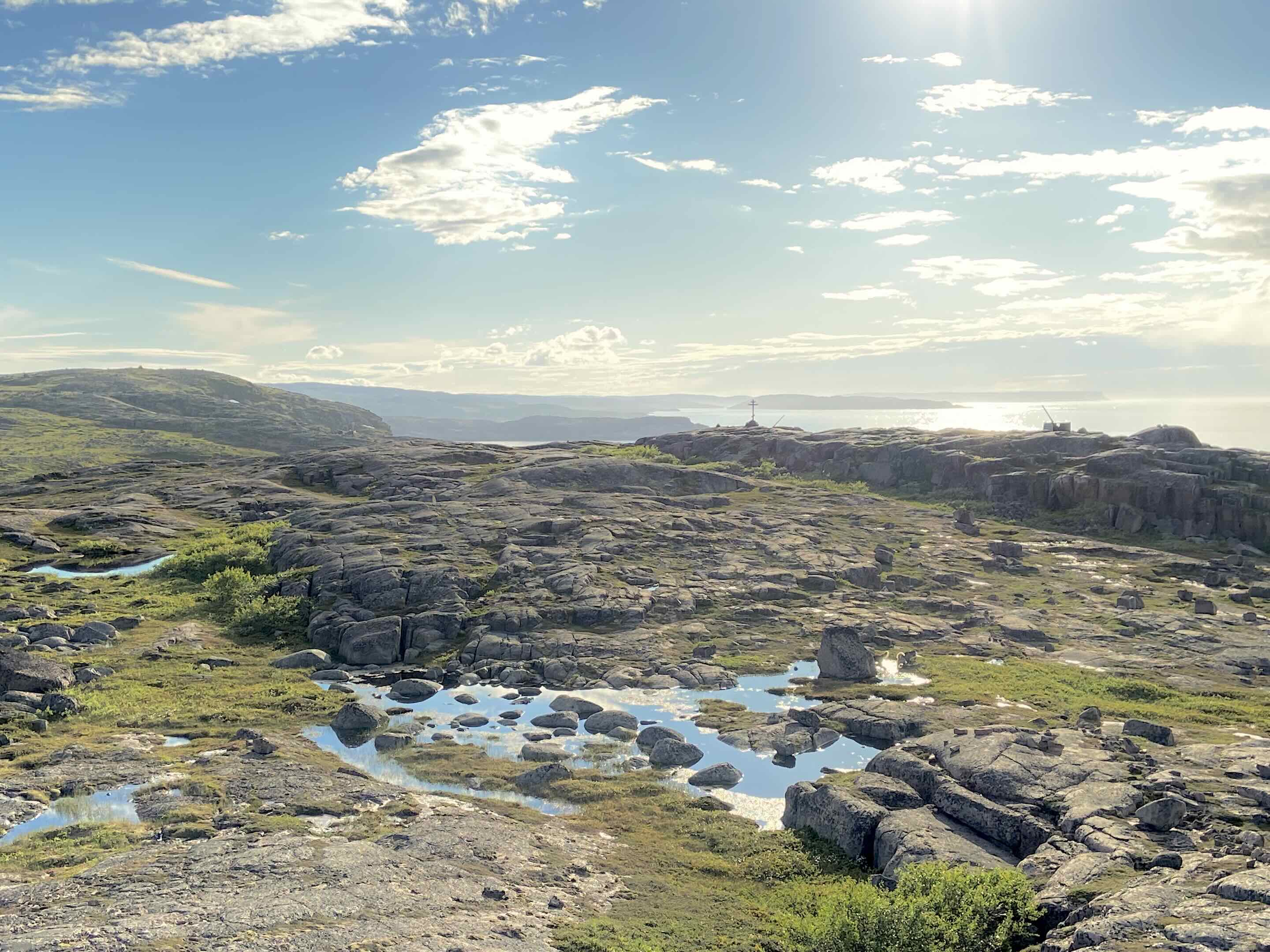
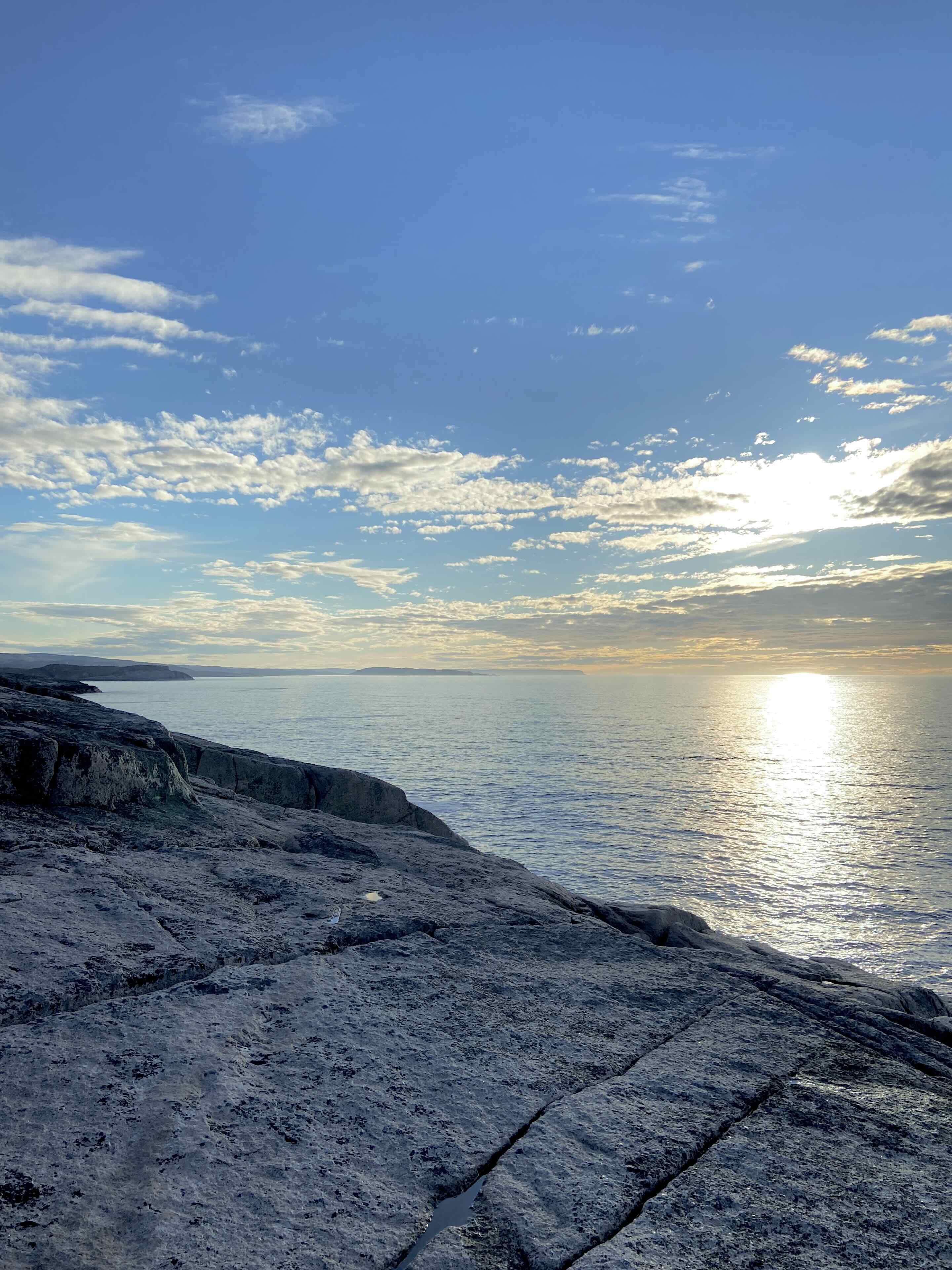
It is getting close to 11 p.m. Incredibly beautiful!
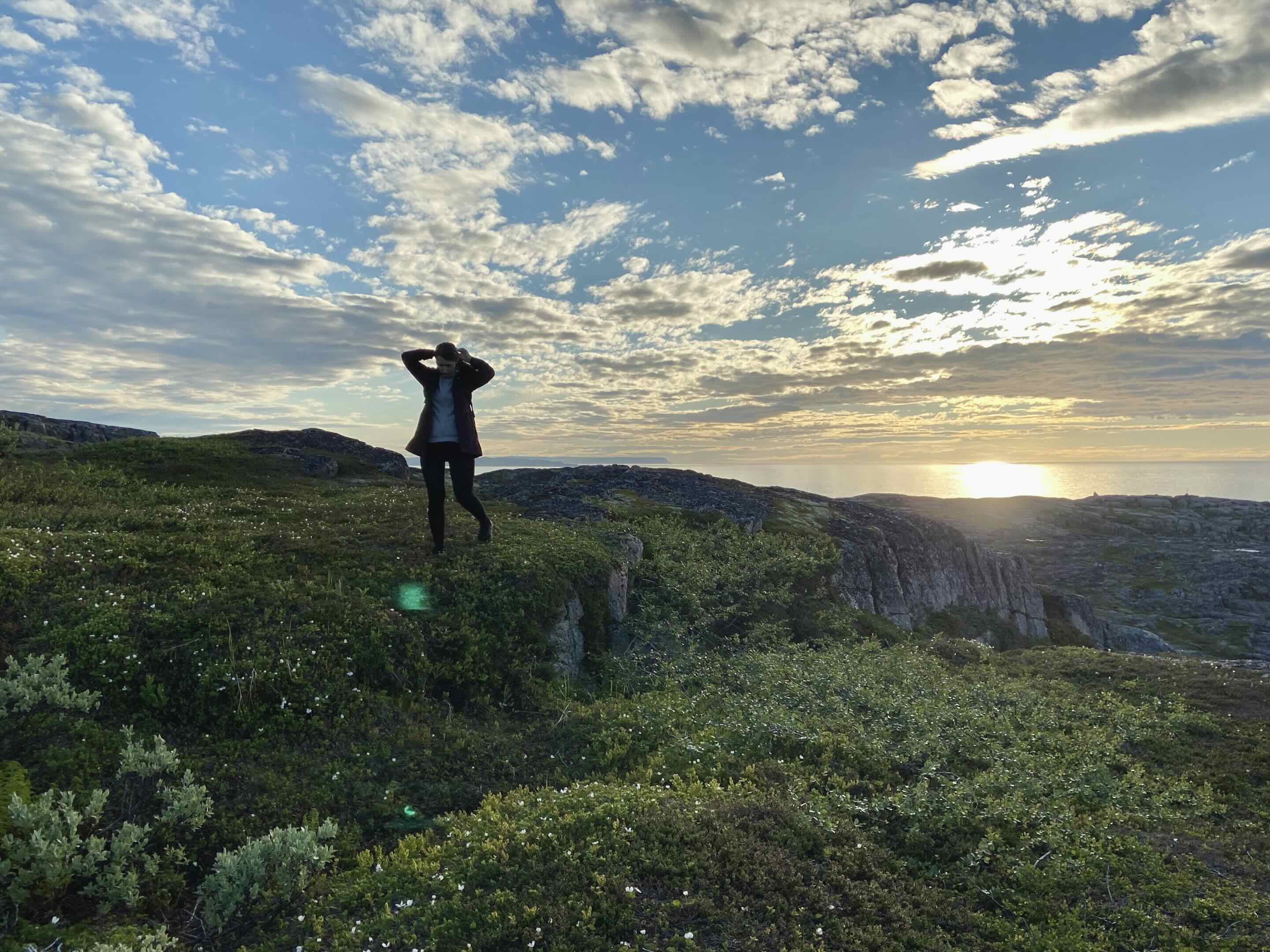
Beyond the Arctic Circle, the whole “night” is golden hour:
Waterfall:
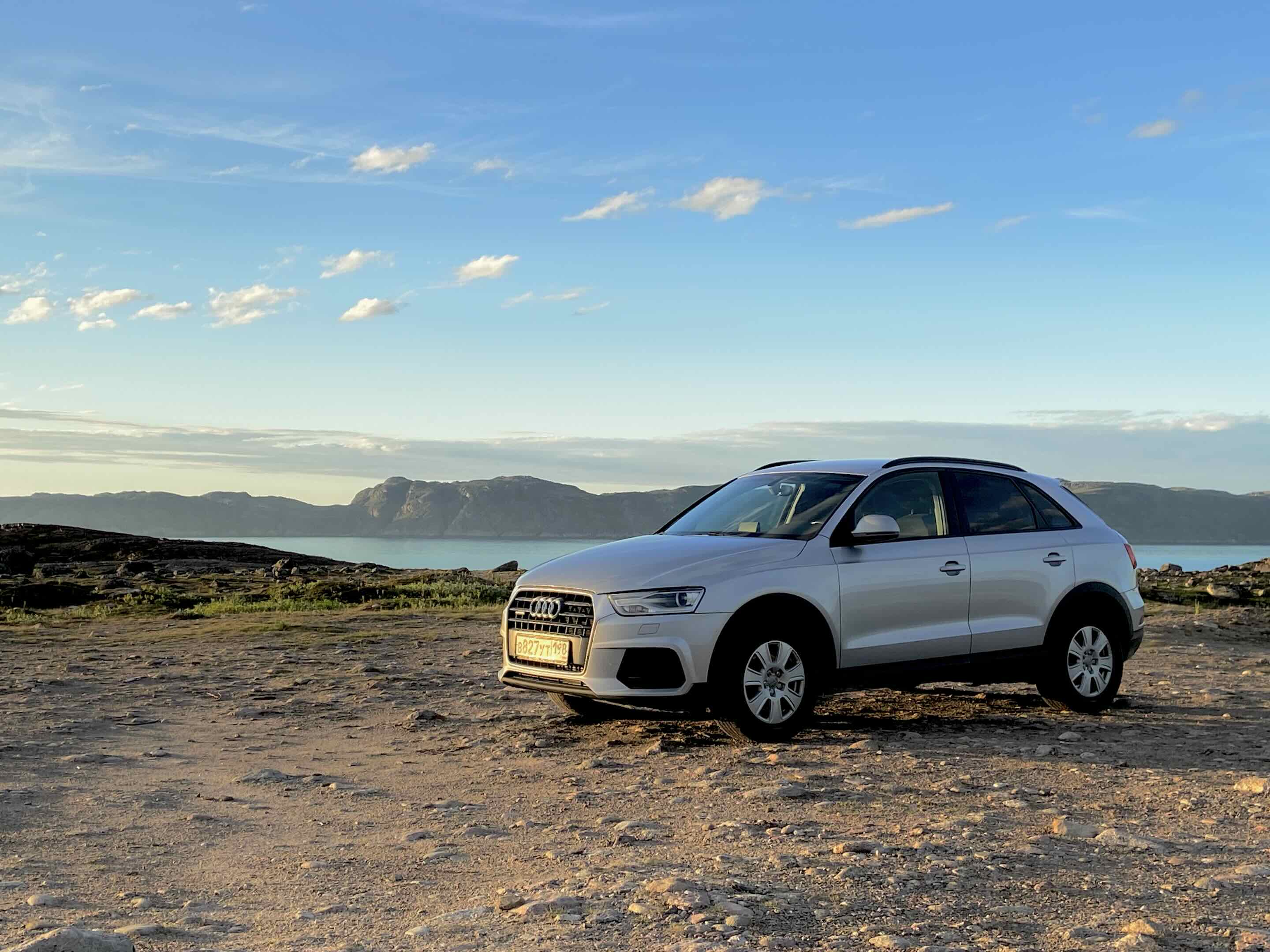
You just park, and it looks like you are shooting a car commercial:
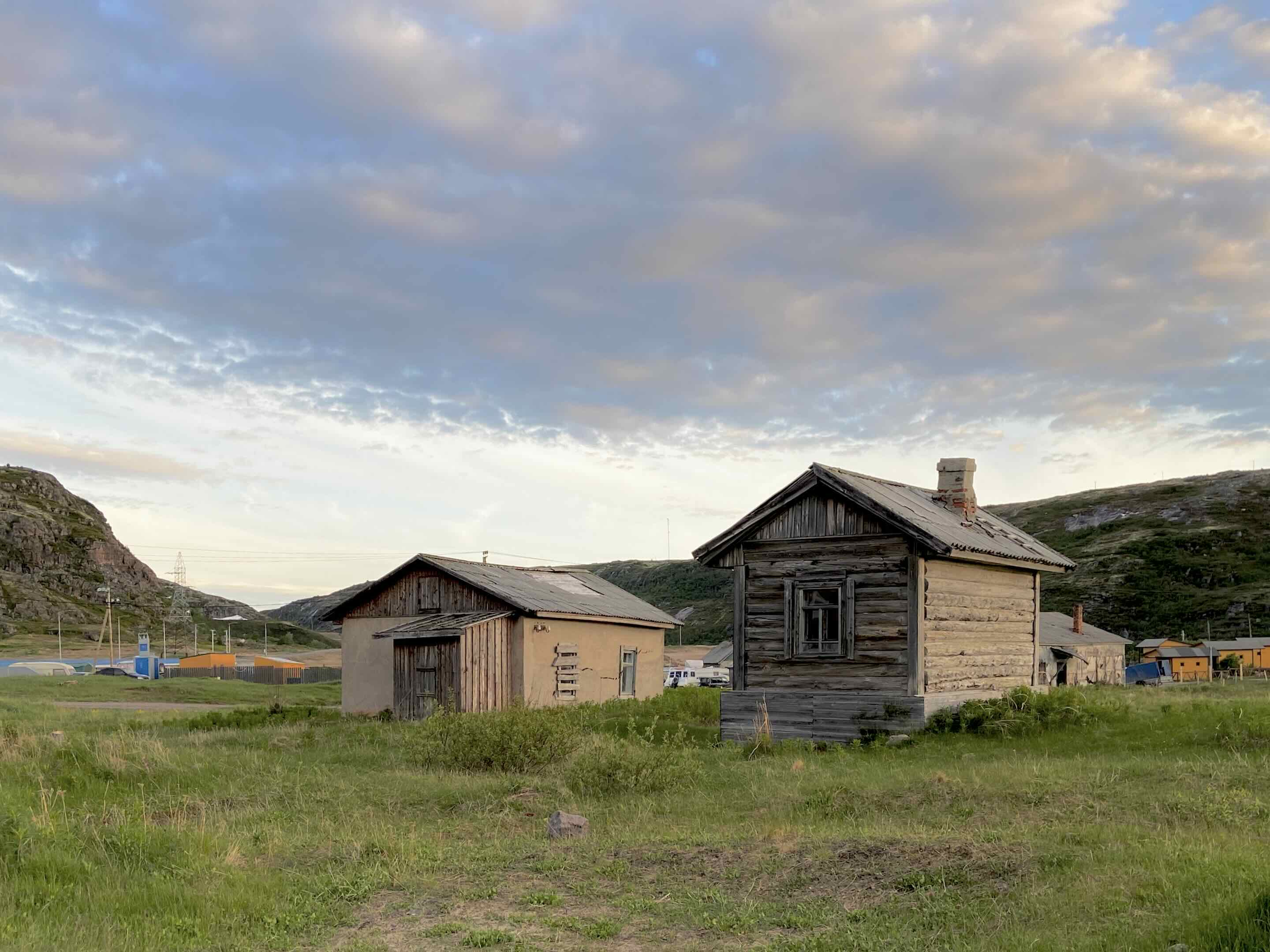
Old Teriberka still has the vibe of an old settlement. The newly built hotels and restaurants do not preserve it.
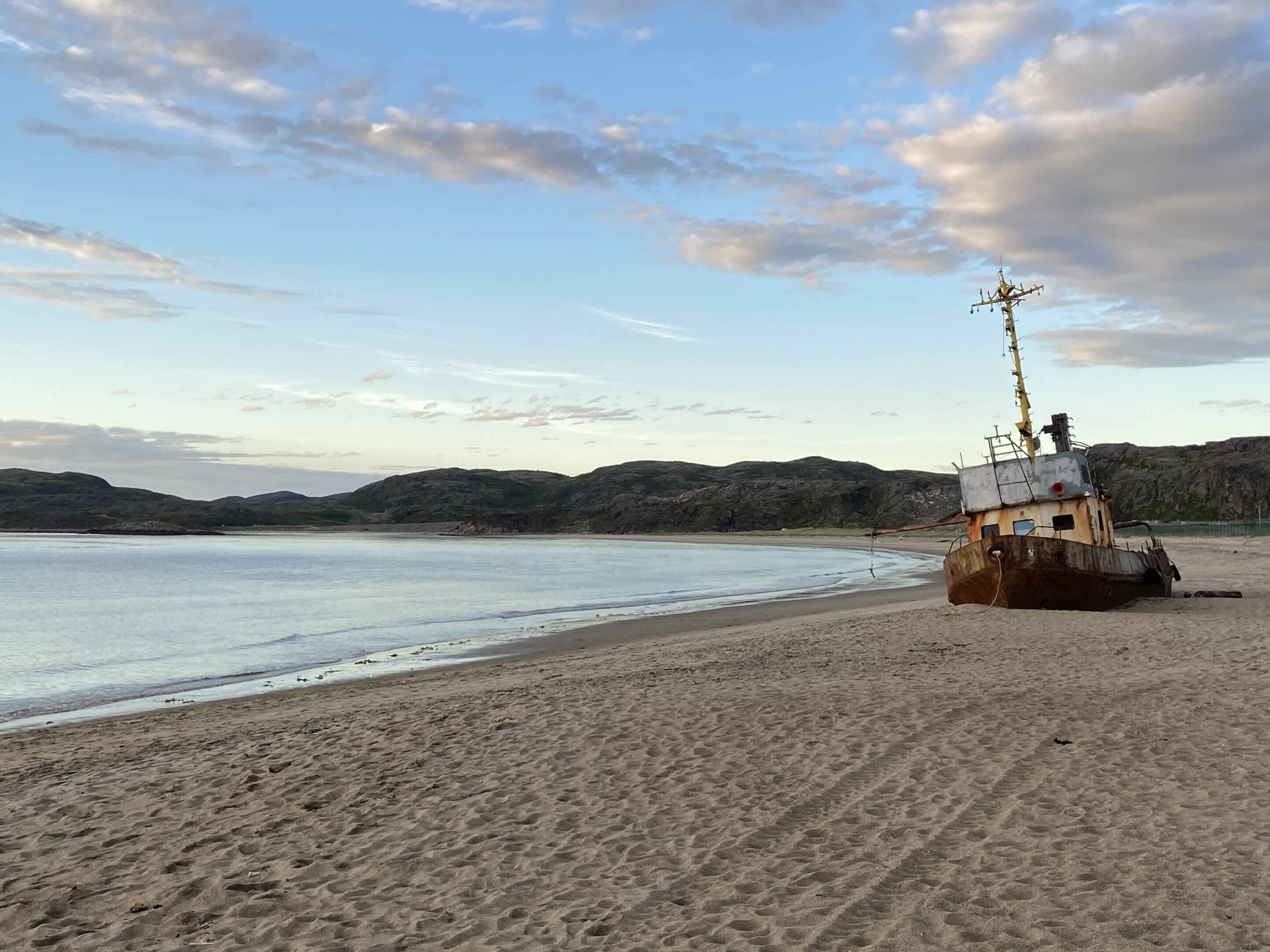
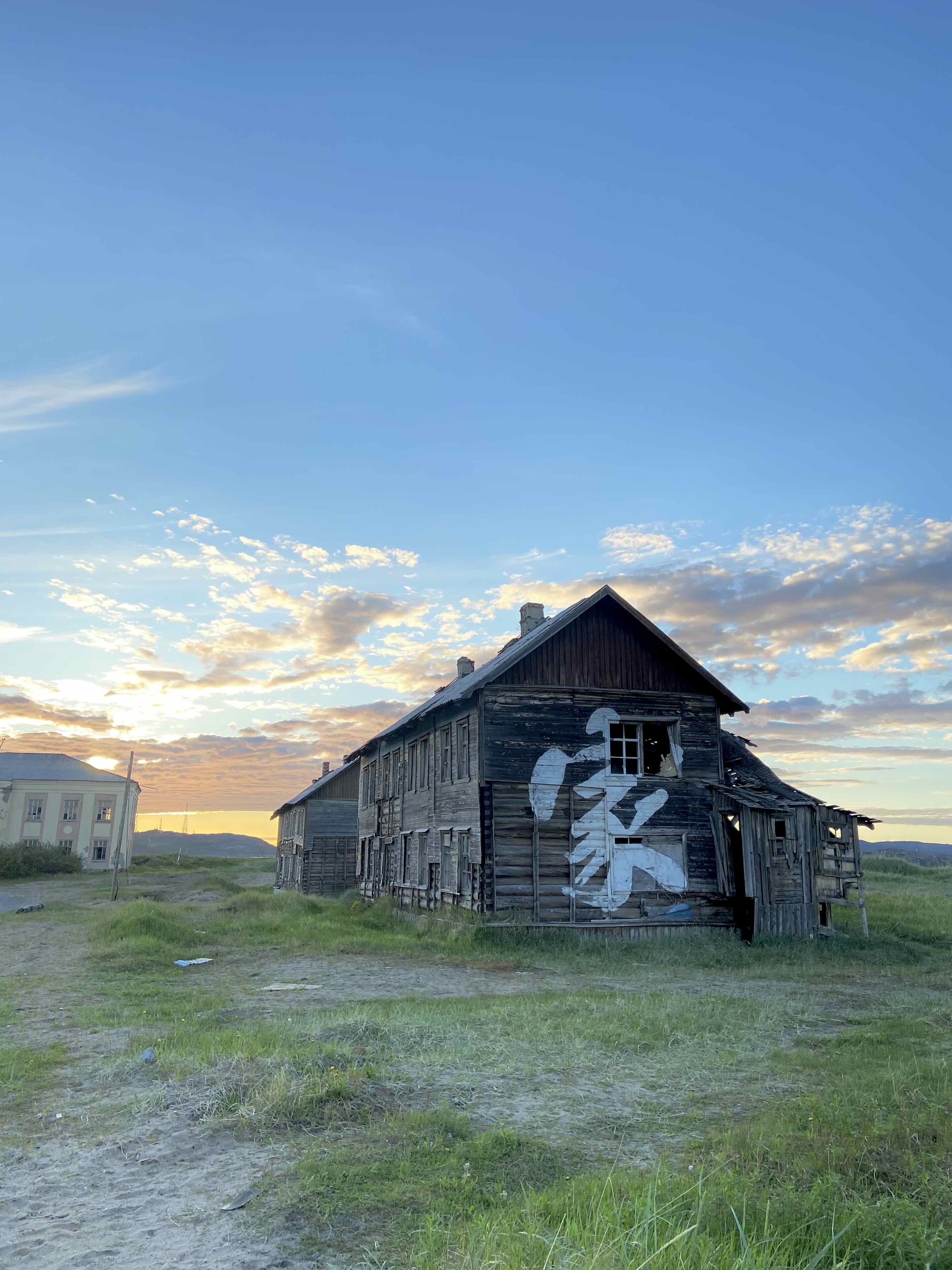
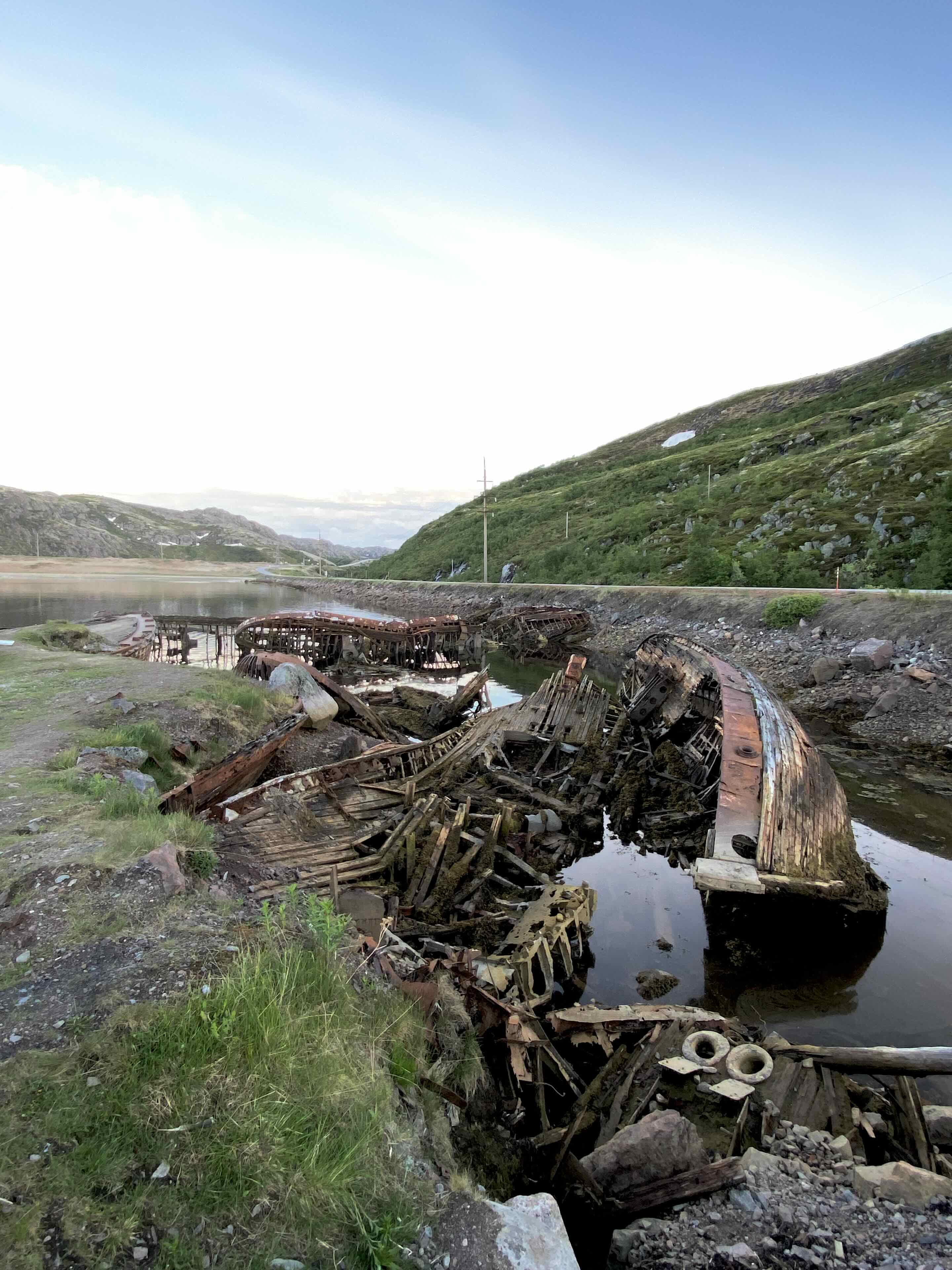
This is what polar day looks like at the edge of the world. The sun drops toward the horizon, simply glides along it and rises from the other side.
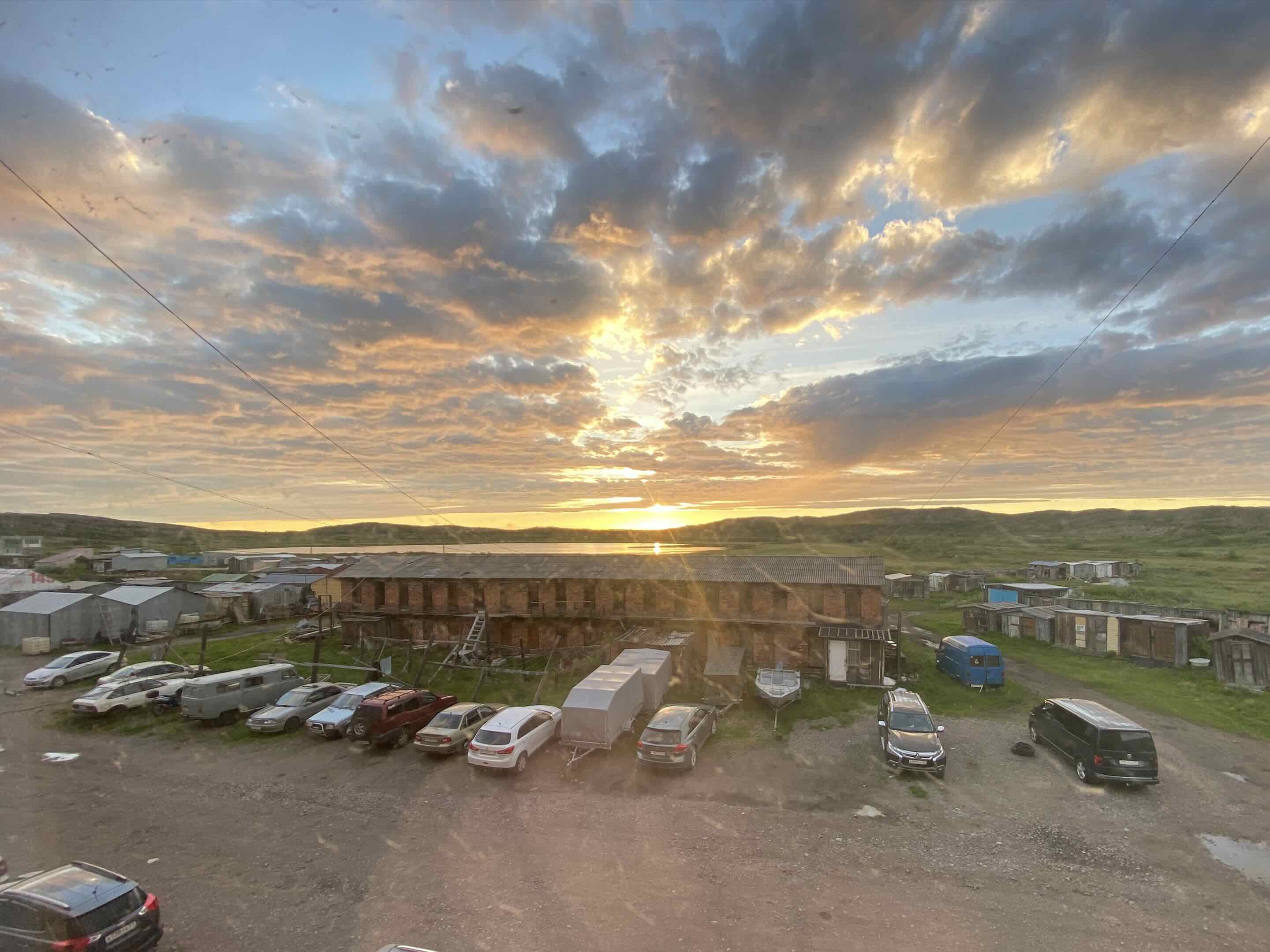
The next day was rainy:
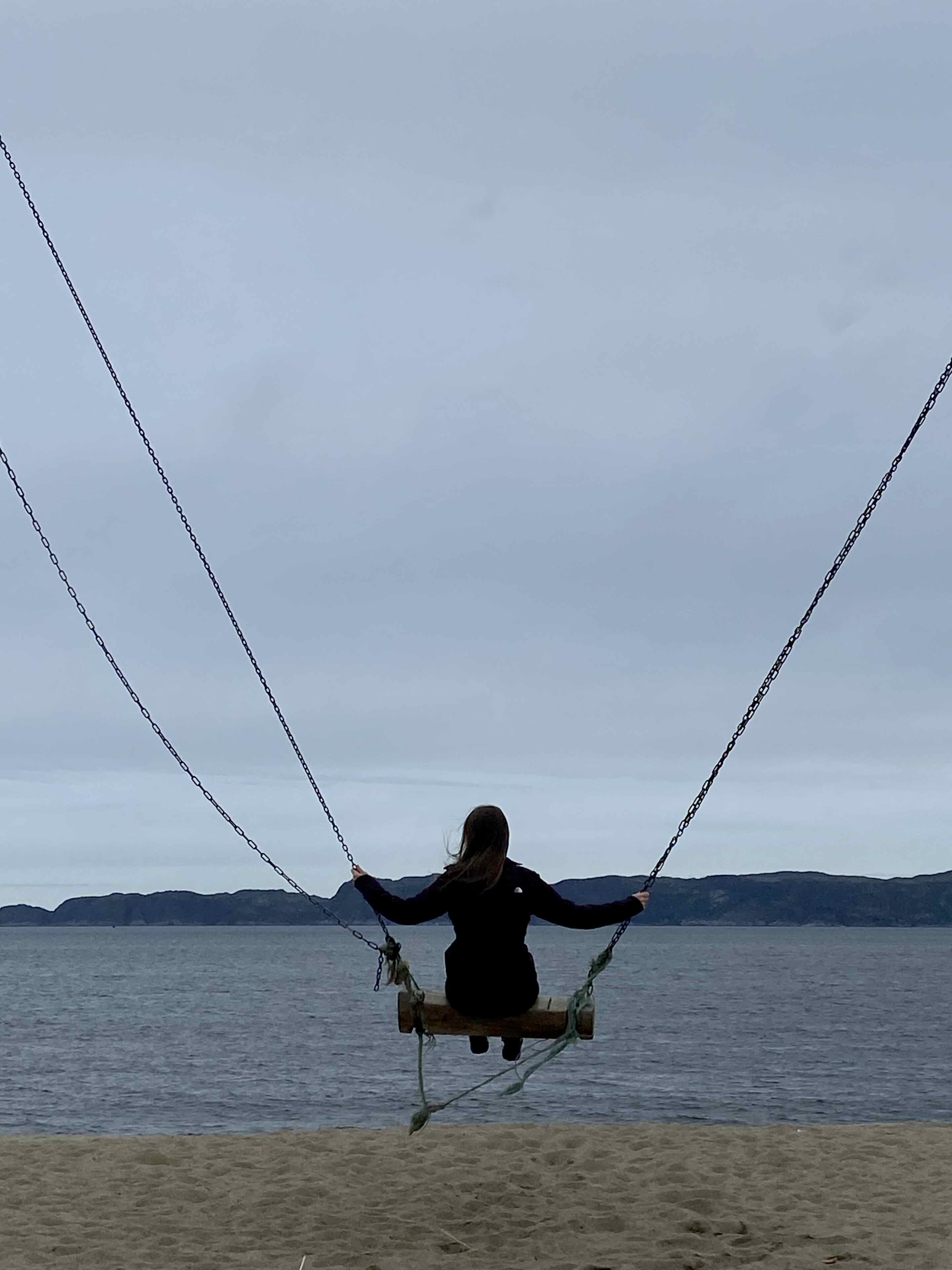
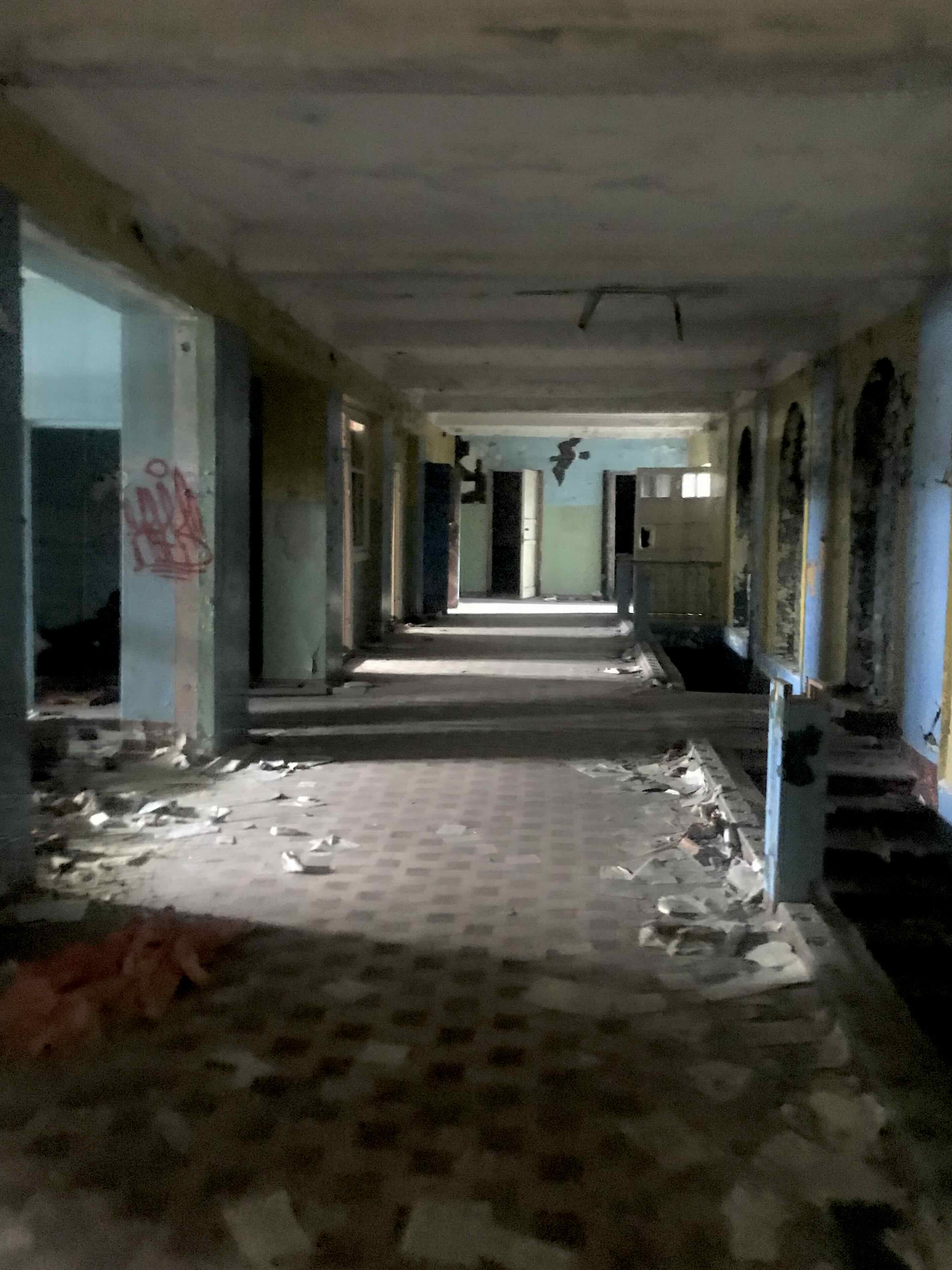
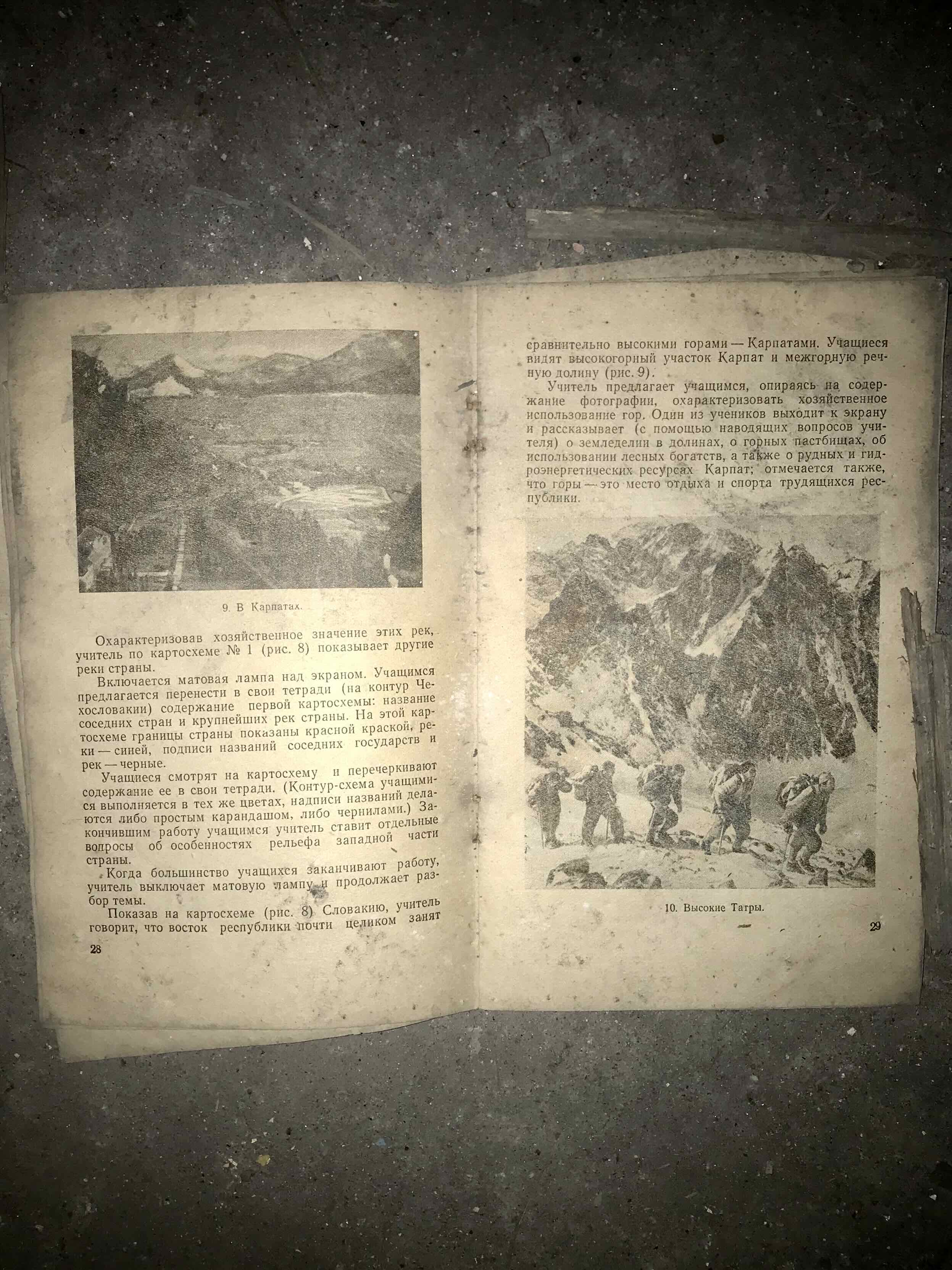
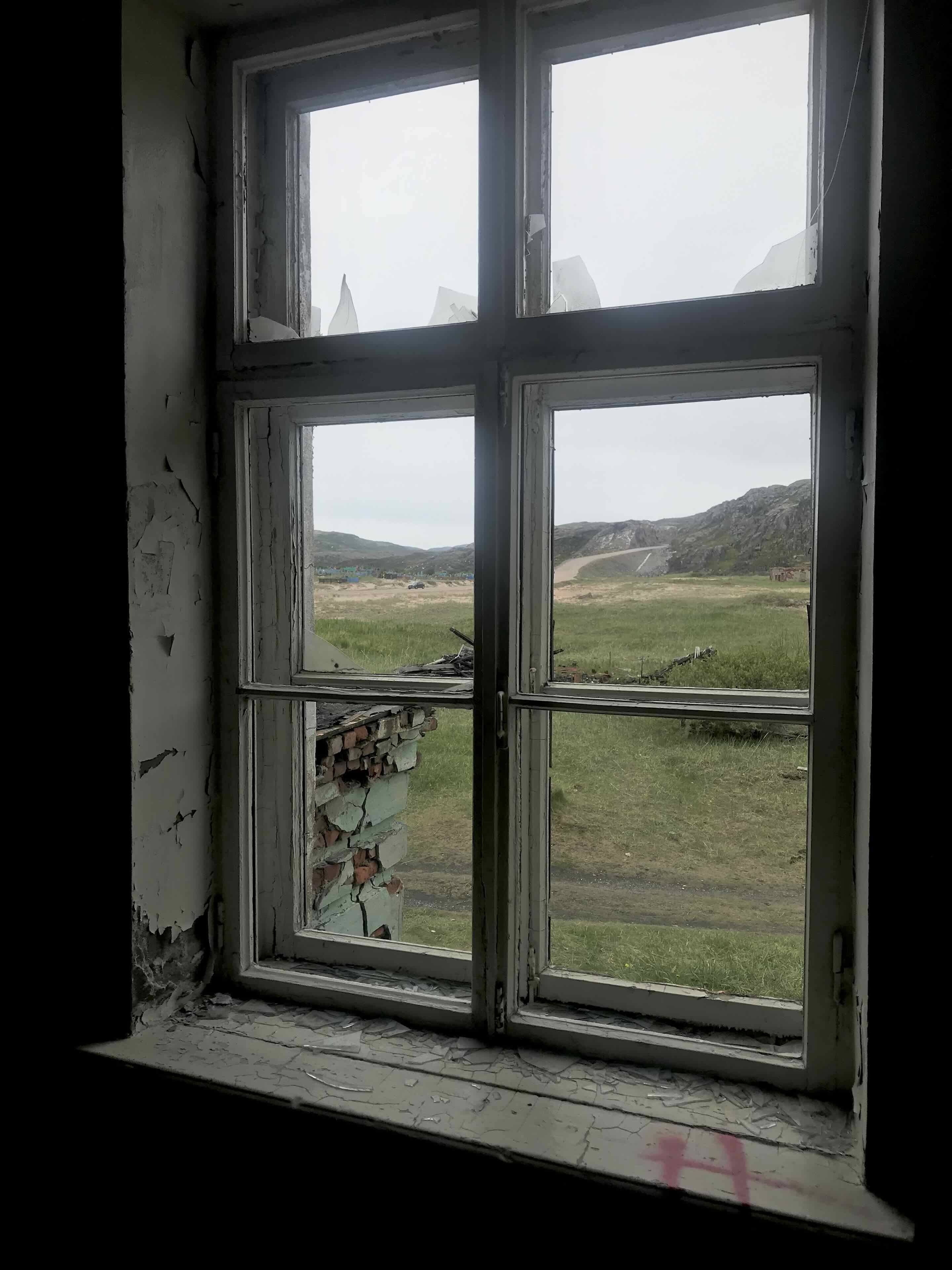
We climbed around an abandoned school:
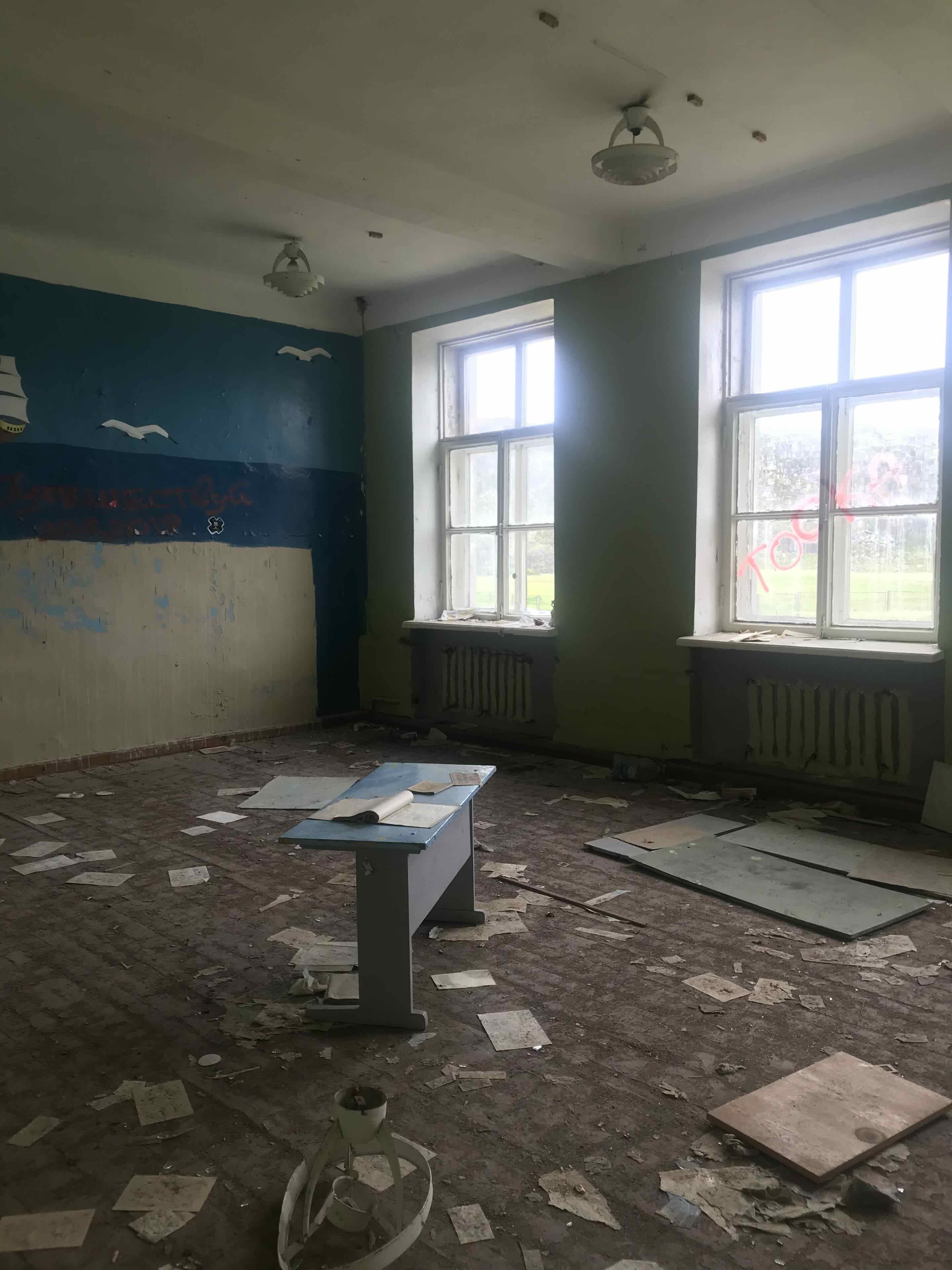
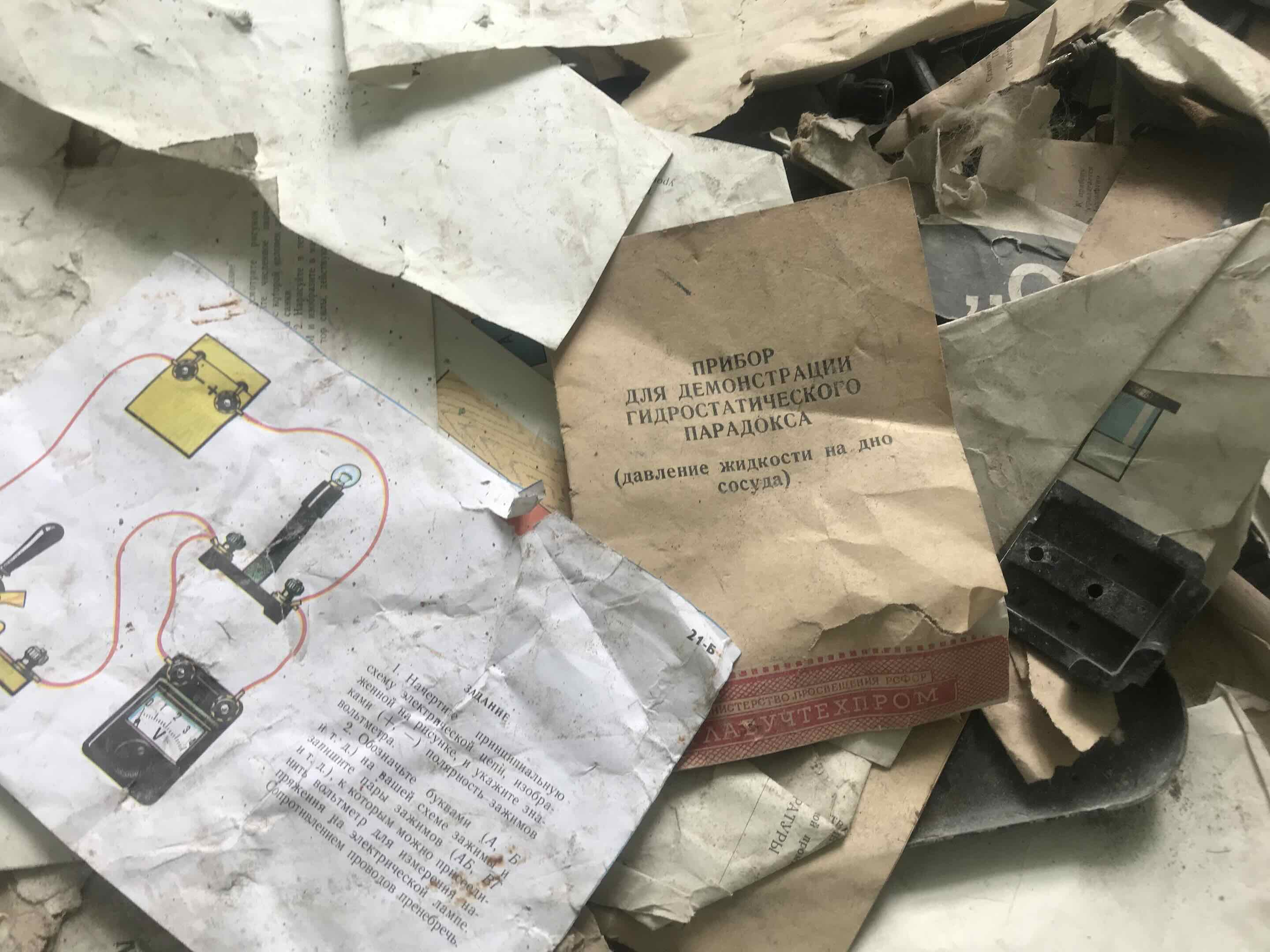

We walked through the tundra:
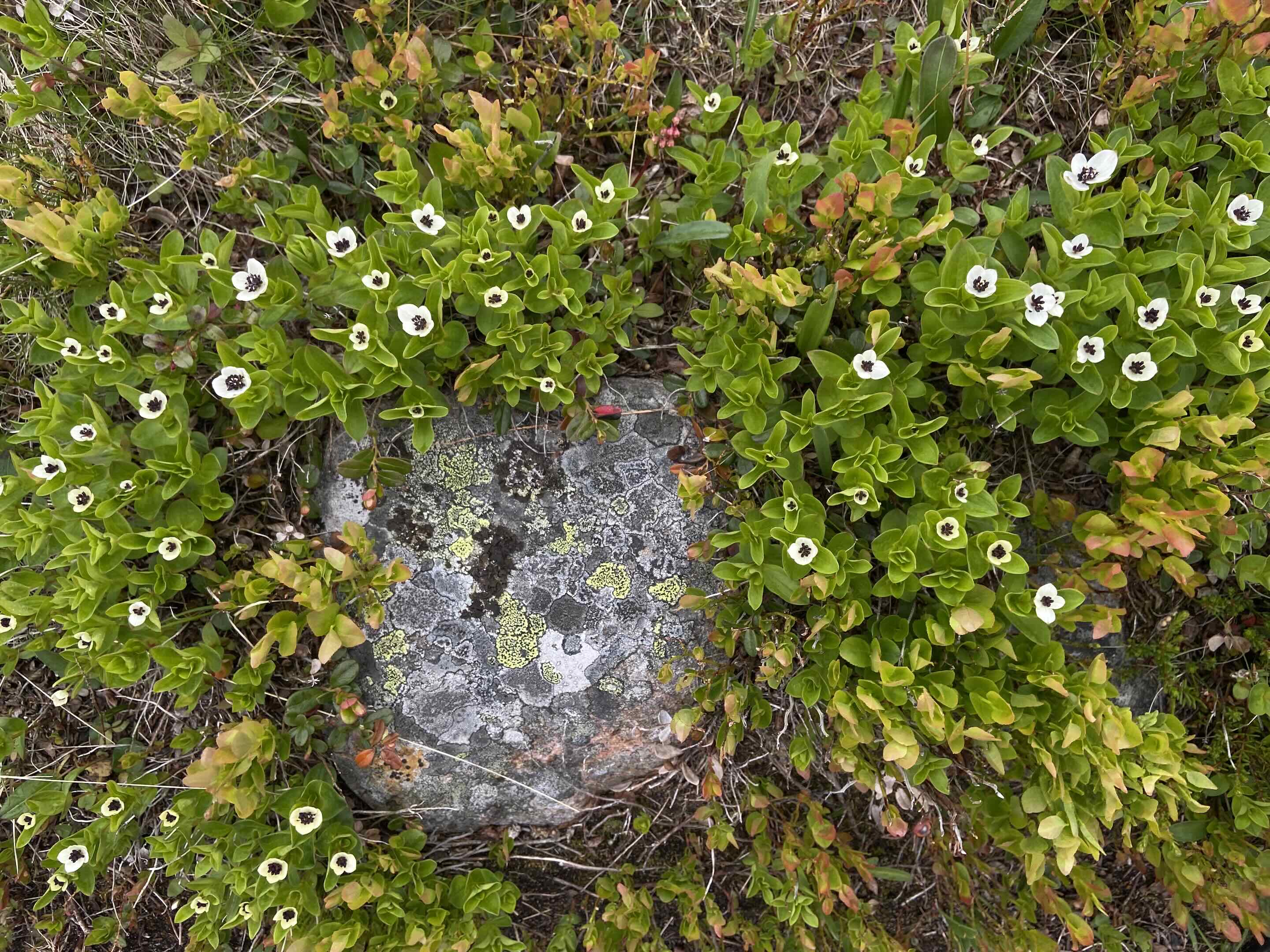
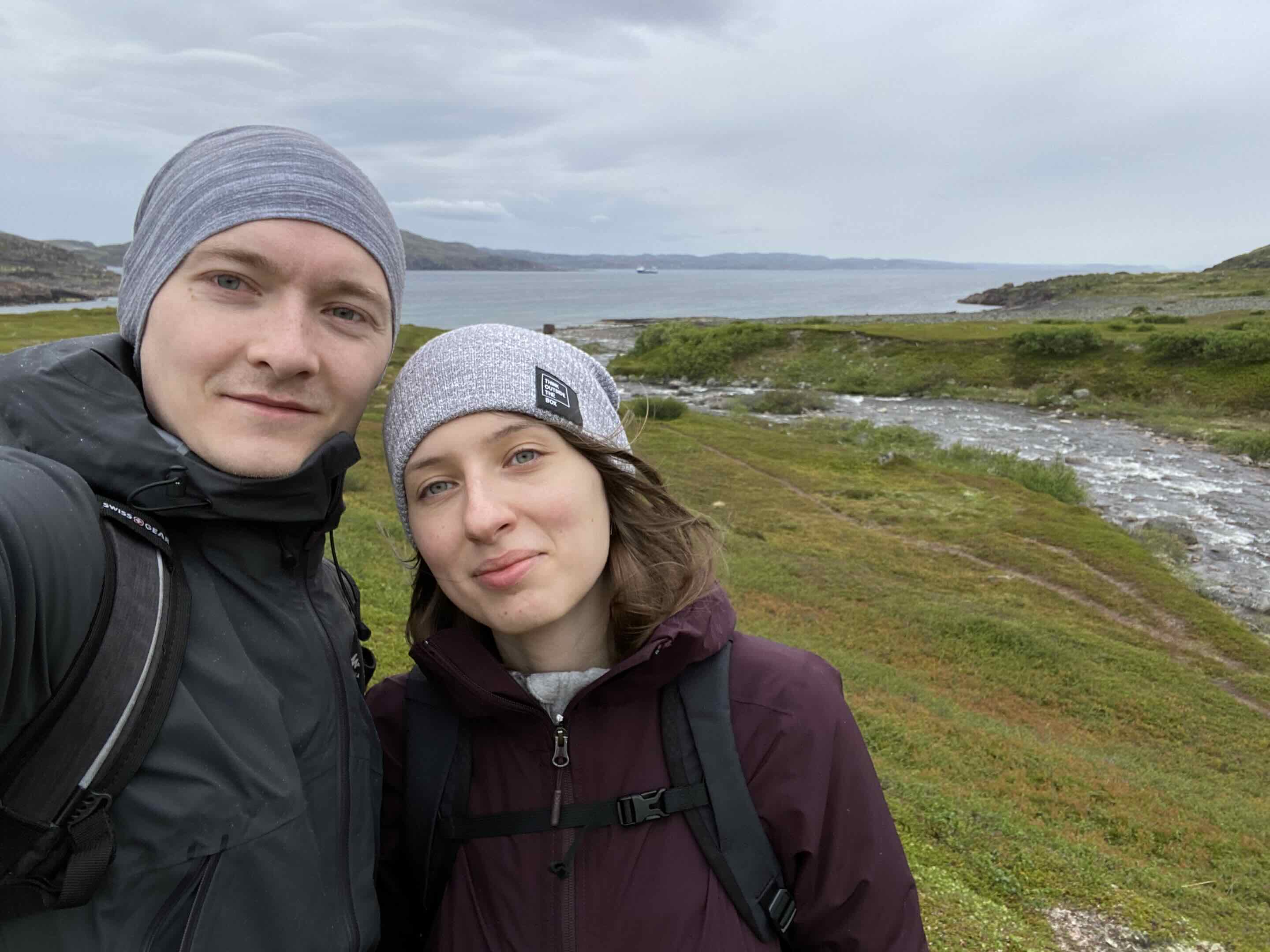
On the way back we met a little fox begging for food:
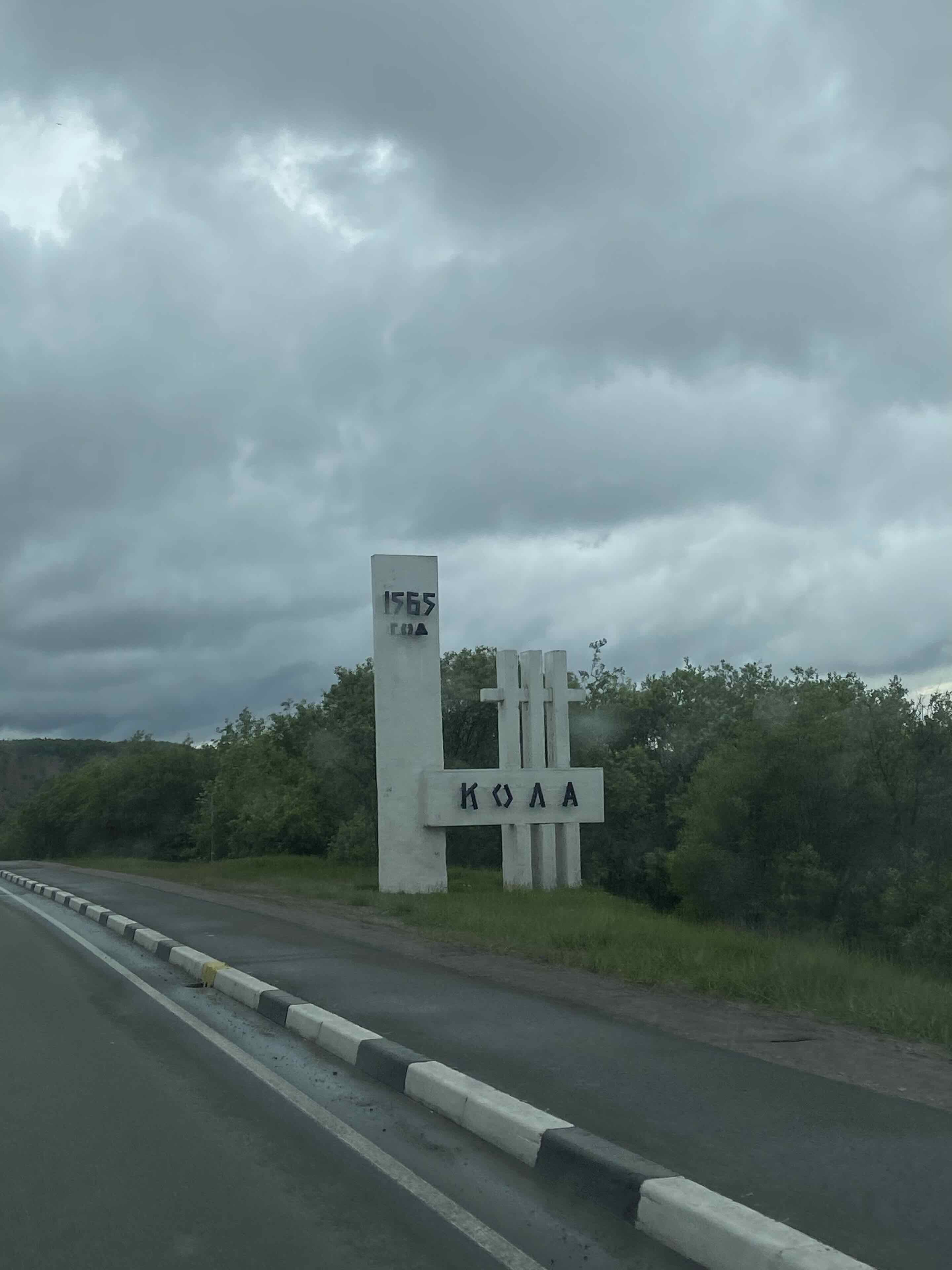
In Kola, if people drink, they drink only cola.
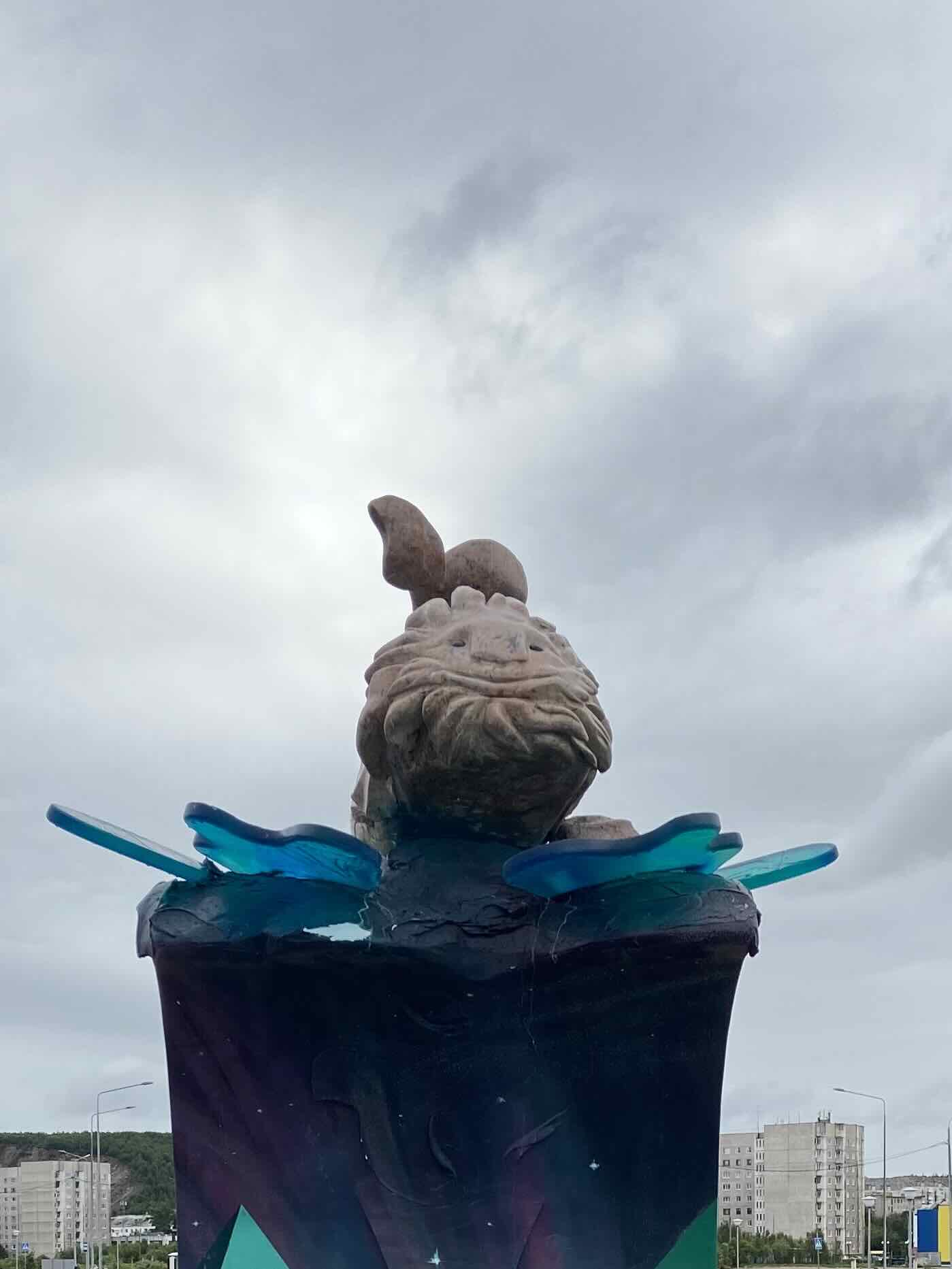
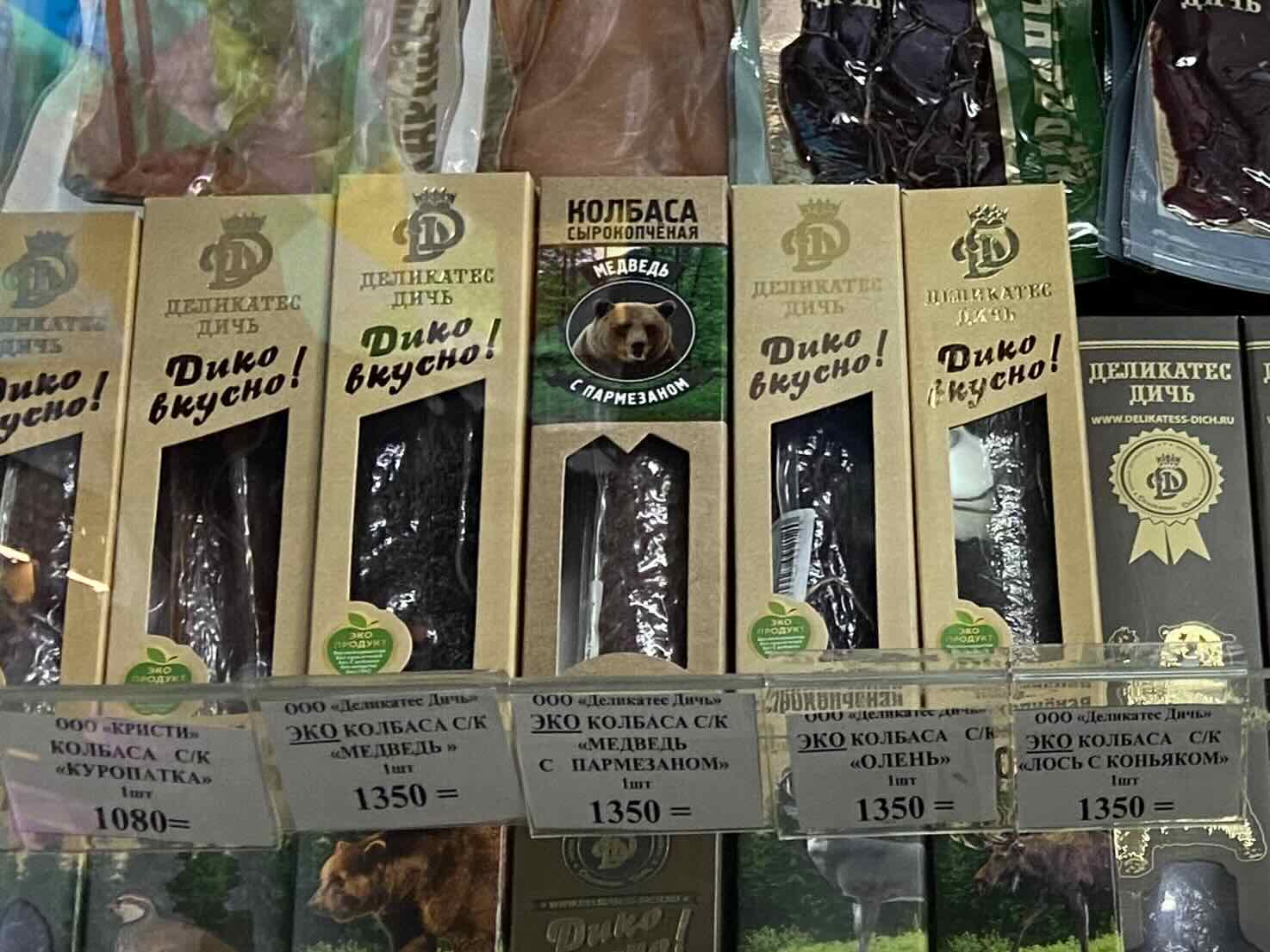
Bear with parmesan!
After the trip, Nastya and I fell in love with the mountains and the nature of the north. It is a harsh land: cold, wet and dangerous, but incredibly beautiful. We will definitely come back.
17‒20 June 2021