Driving in South Korea
Exploring Jeju Island in South Korea is much more convenient by car. Sharing my experience.
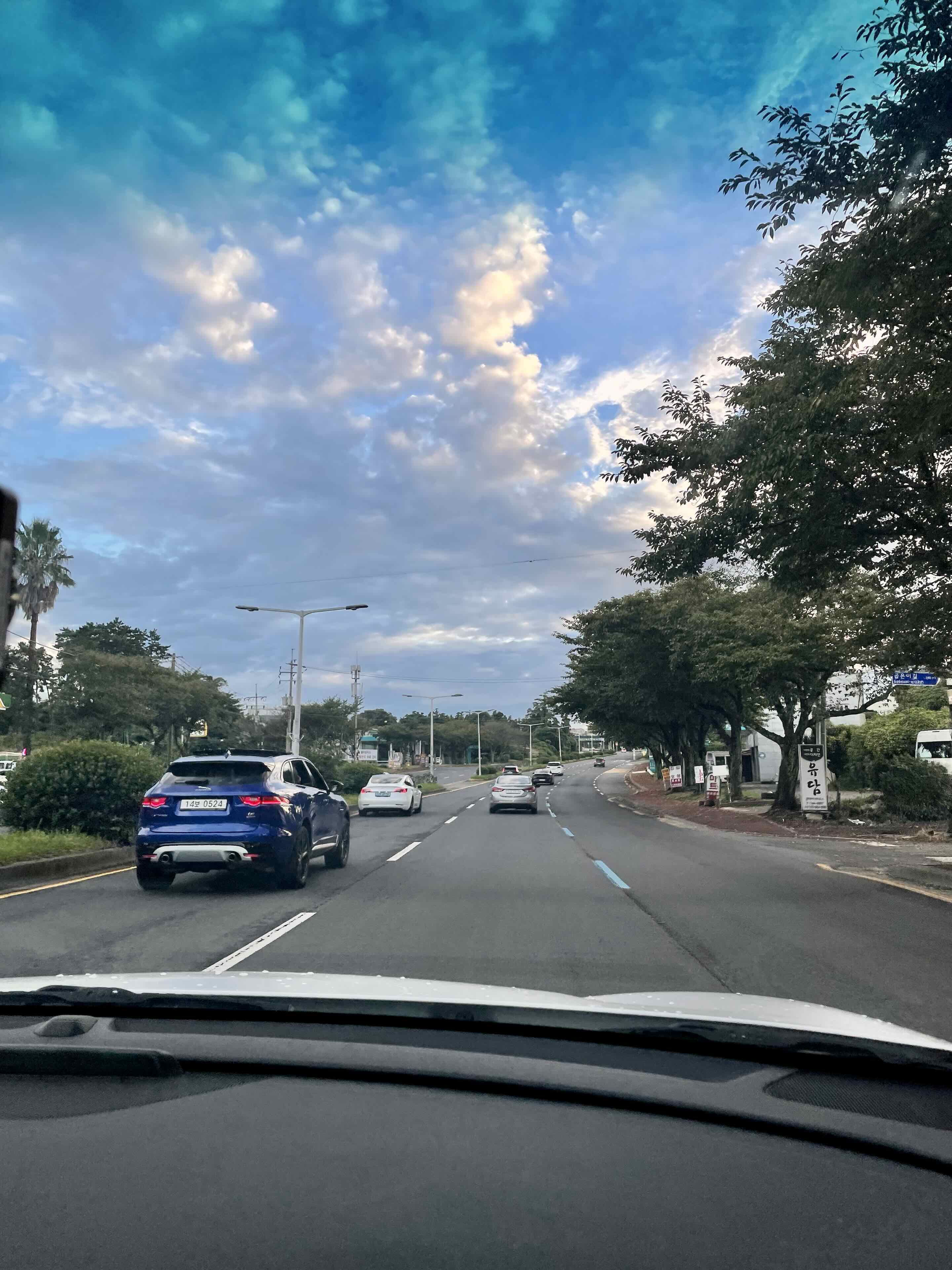
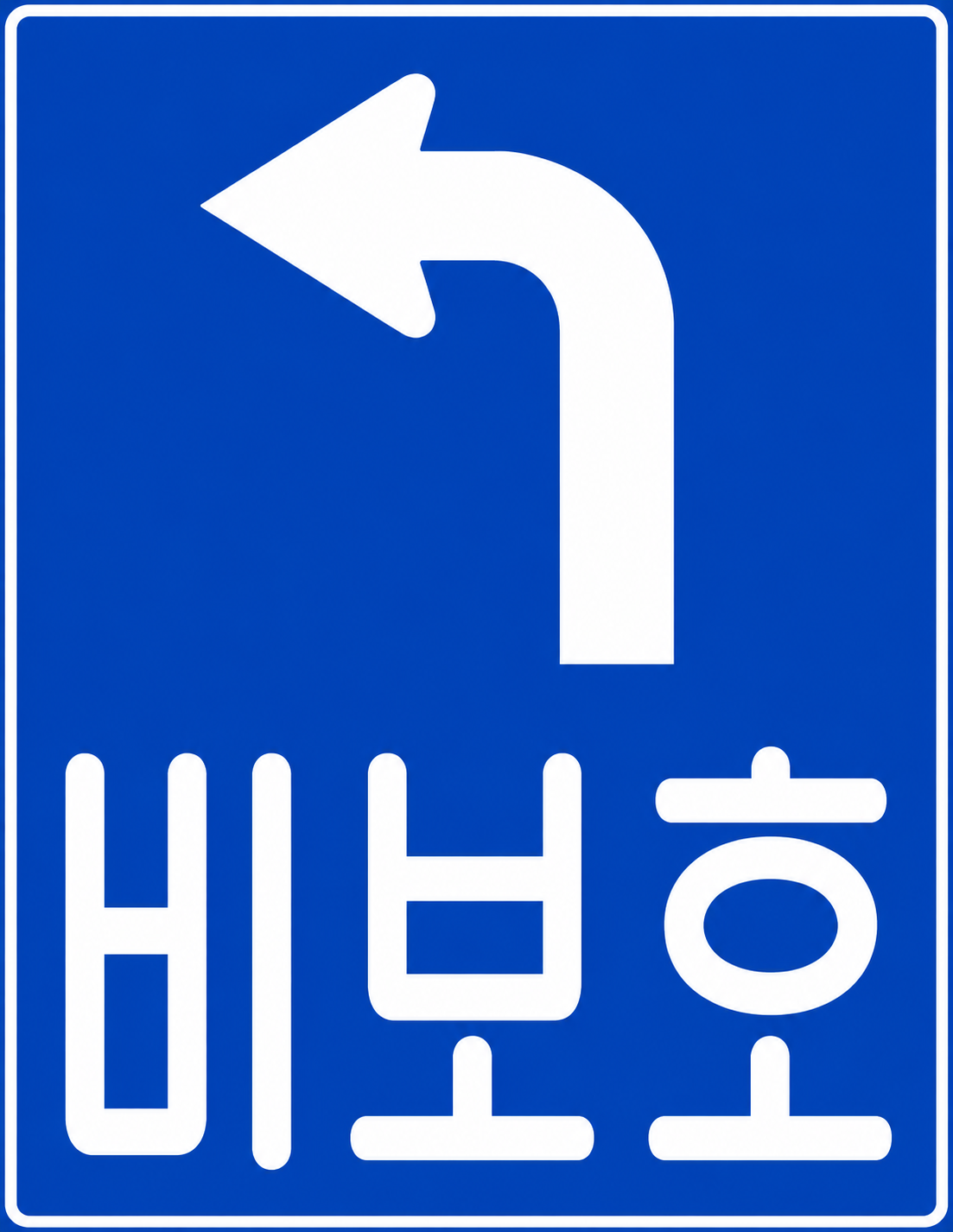
- You cannot turn left on green! Most traffic lights have four sections, with a dedicated left-turn arrow. When the arrow is on, there is no conflicting traffic. It is convenient: you think less about how traffic is organized, and there is less chance of making a mistake.
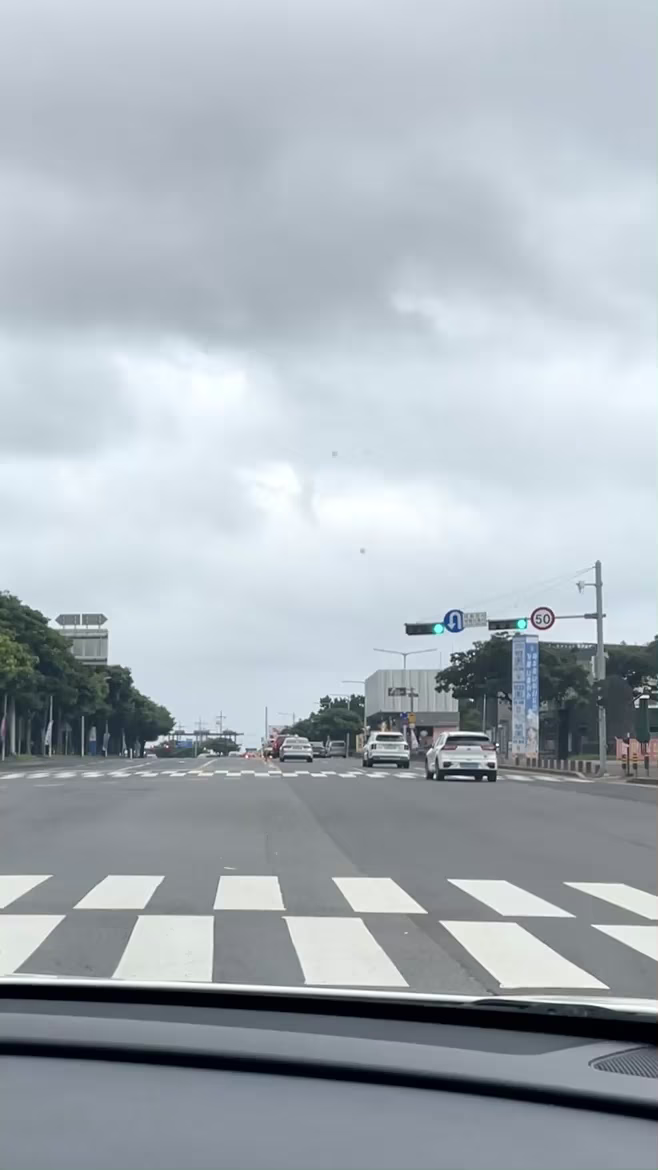
Turning left on green while yielding to oncoming traffic is allowed only if there is this sign next to the traffic light:
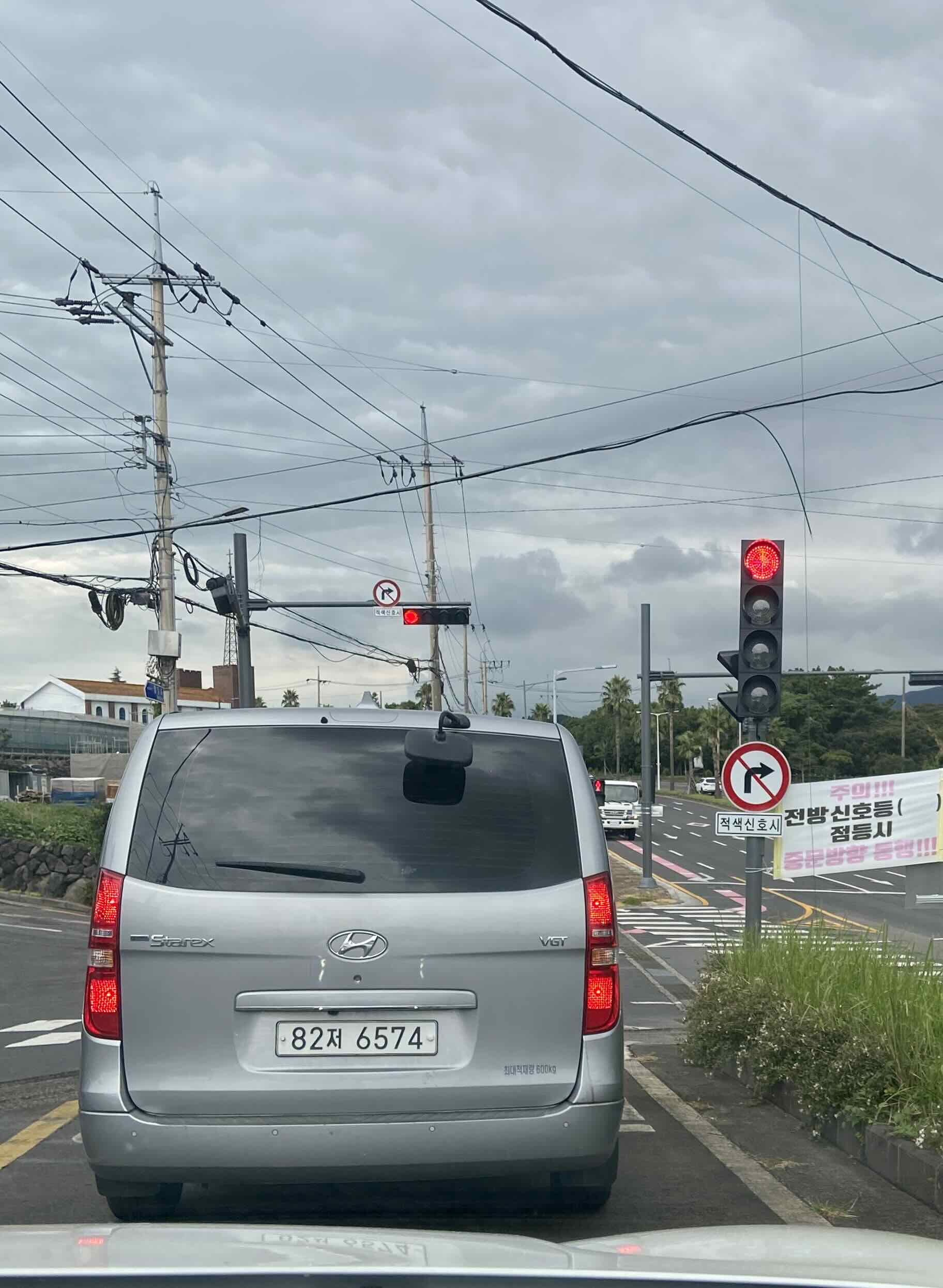
- You can turn right on red, yielding to everyone, like in the US. After a couple of days you get used to it and start enjoying it, especially on empty streets.
Occasionally a traffic light has a separate right-turn arrow; then you have to wait for it. The sign says that turning right on red is prohibited:
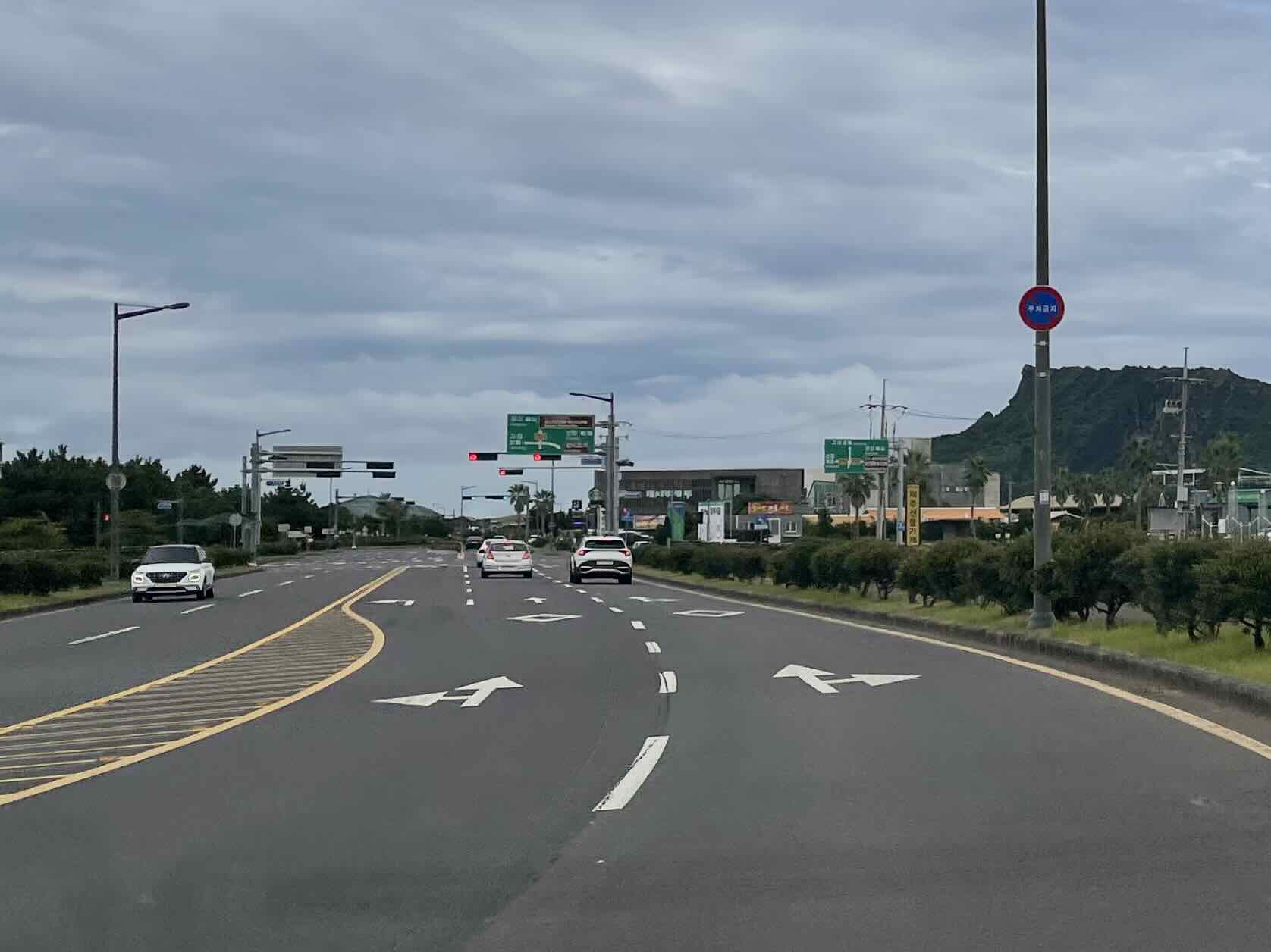
- Major roads always have a separate lane for turning left, so driving in the left lane is comfortable:
- Sometimes there is no traffic light before the intersection, only after it. This feels unfamiliar. As you enter the intersection, your brain assumes it is uncontrolled, even though there actually is a traffic light. But this is rare.
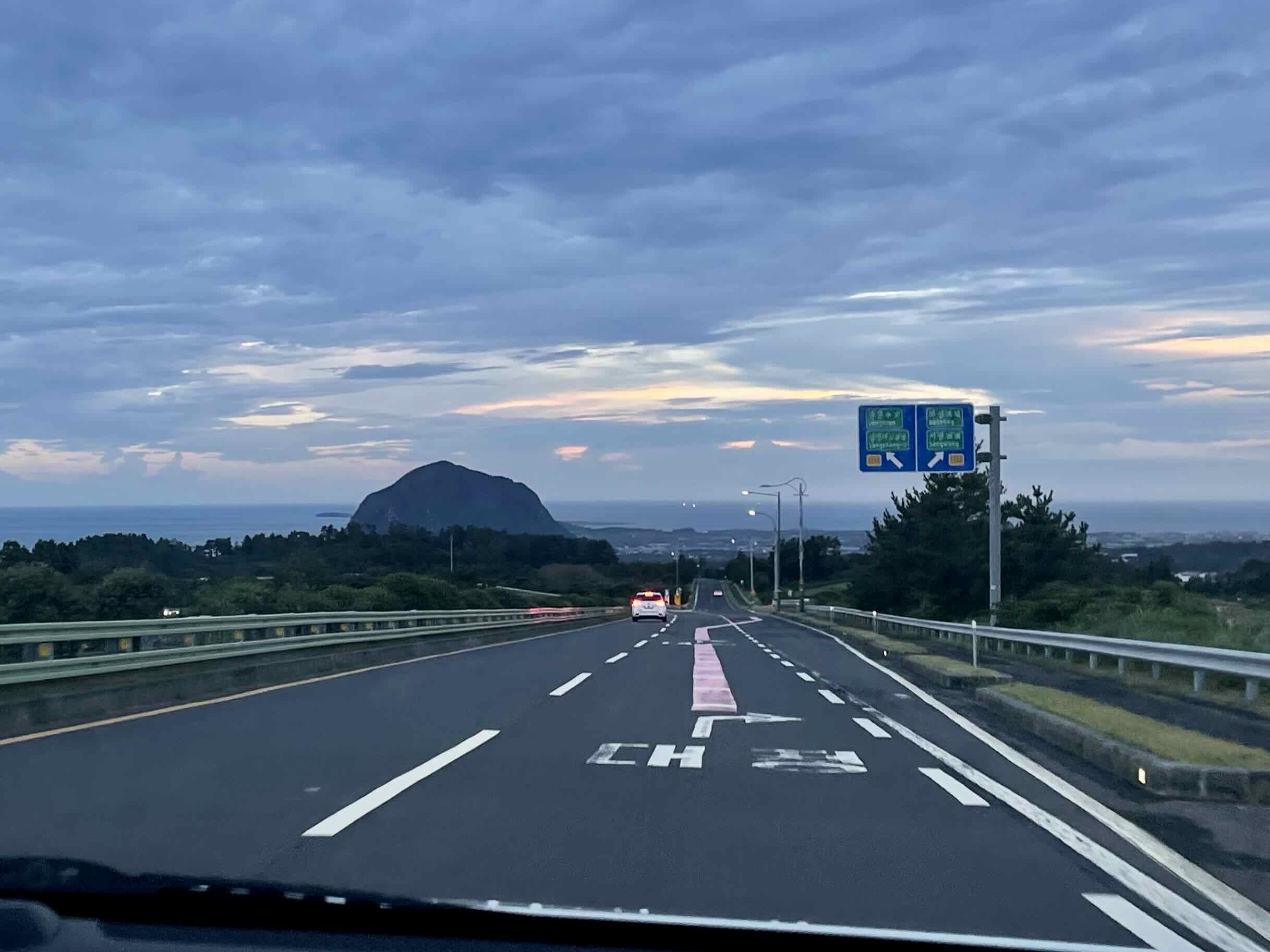
- In Korea, an arrow painted on the asphalt only indicates an available option; it does not restrict other actions. Prohibited actions are shown with a separate crossed-out arrow.
I got used to this system, but it is inconvenient; showing only the permitted directions is much clearer.
- What I never got used to was priority at intersections without traffic lights and signs. In those cases, priority goes to whoever arrived first or whoever is on the bigger road. Only if everything else is equal do you yield to traffic from the right.
- There are many paid parking lots in cities and near attractions. They cost $1-2, but often give you 10-30 minutes for free.
Even supermarket parking is paid, but if you scan a receipt for purchases over $10, it is free:
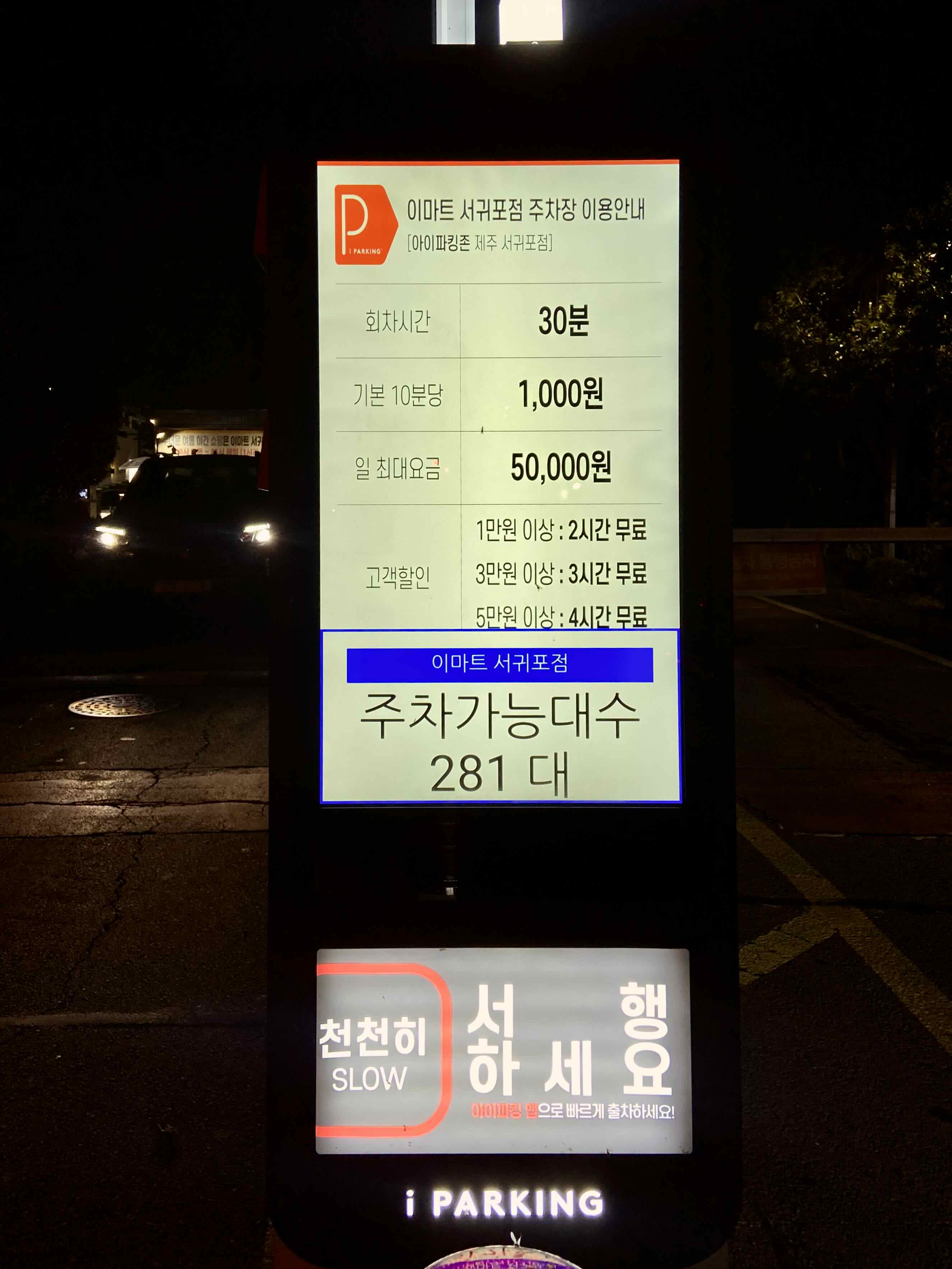
Free for 30 min., then 10 min. costs 1,000 won. Purchases from 10,000 won give 2 hours free. Available spaces are shown at the bottom.
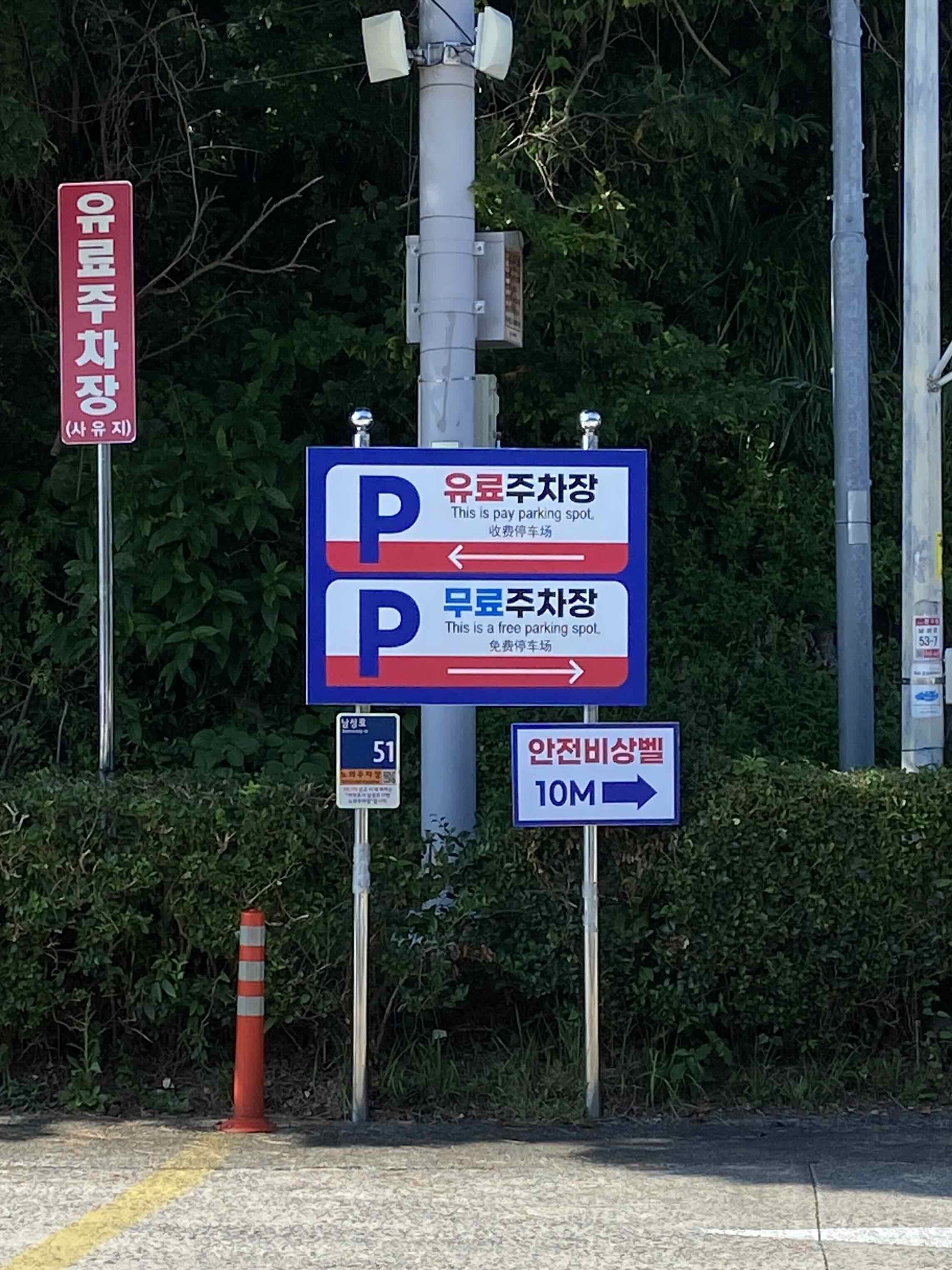
There is often a free alternative next to a paid parking lot. For example, this parking lot is split into paid and free sections. We had to pay for not paying attention:
- Driving is calm, with speed limits of 50-70 km/h. In practice, on major roads people drive faster and slow down before cameras. There are many school zones with a 30 km/h limit; cameras are common there, and everyone follows the limit strictly.
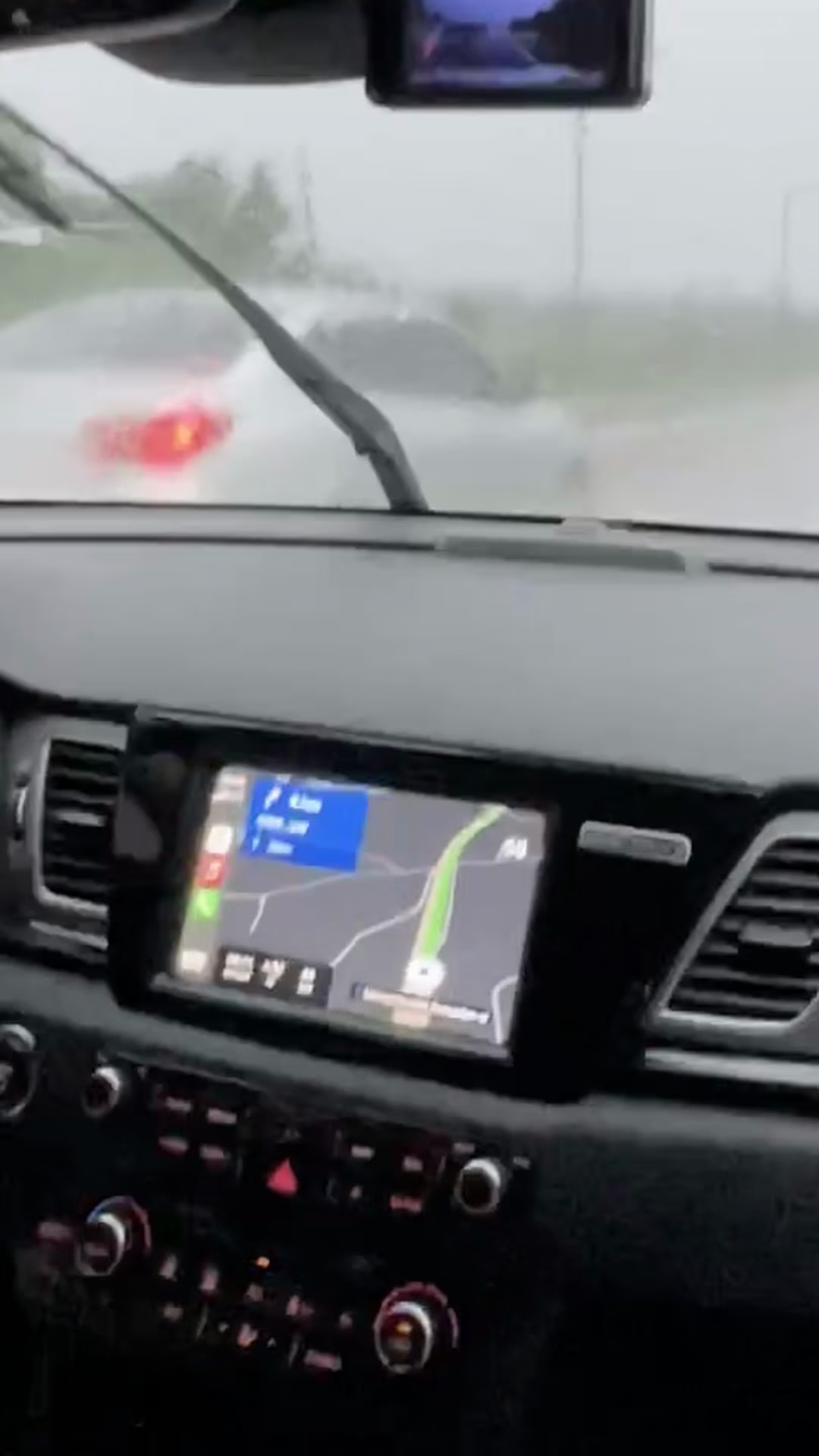
- Google Maps does not work for navigation. I liked Naver the most. It warns about cameras, including average-speed cameras, and calculates the average speed itself. It supports CarPlay:
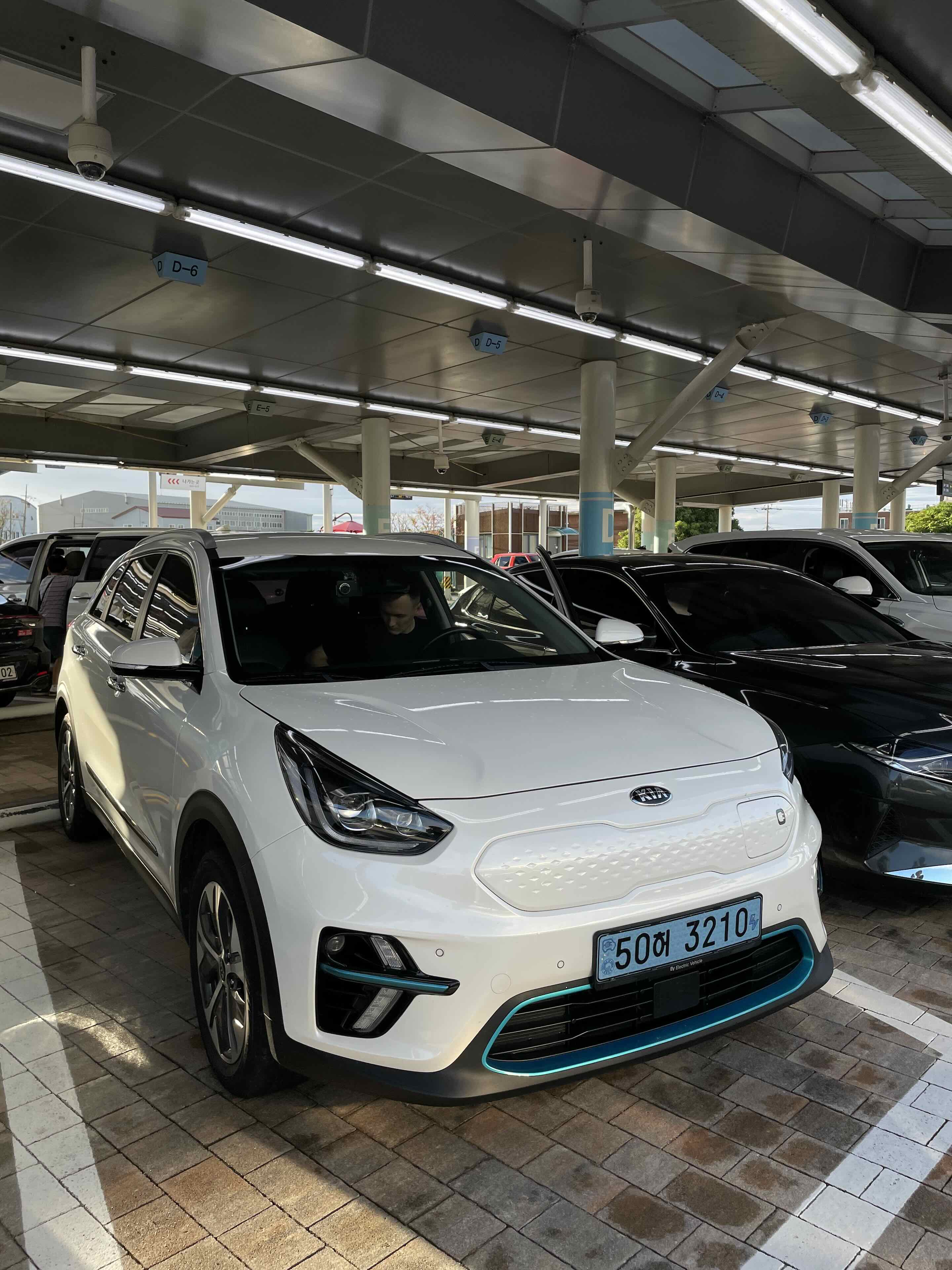
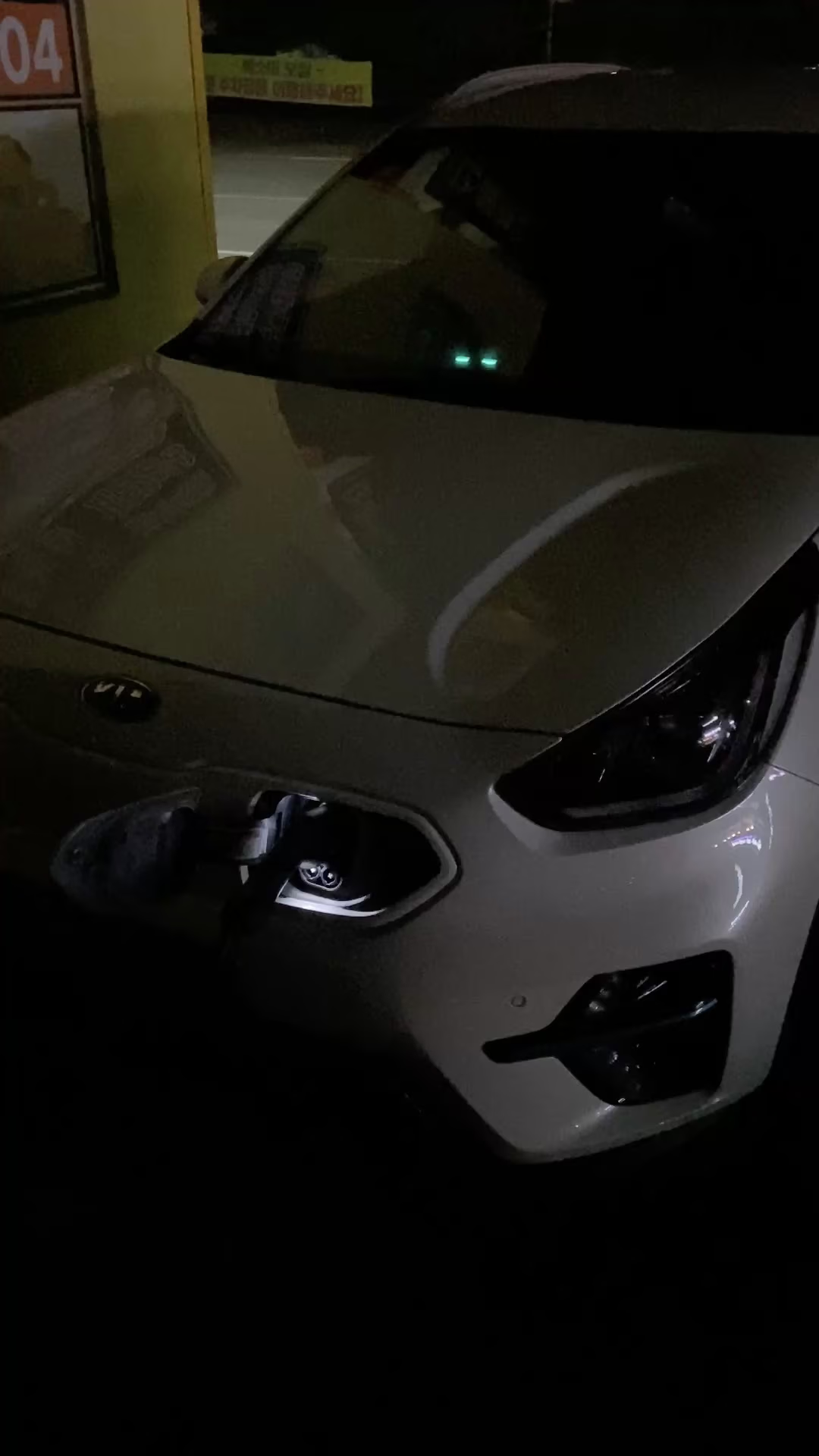
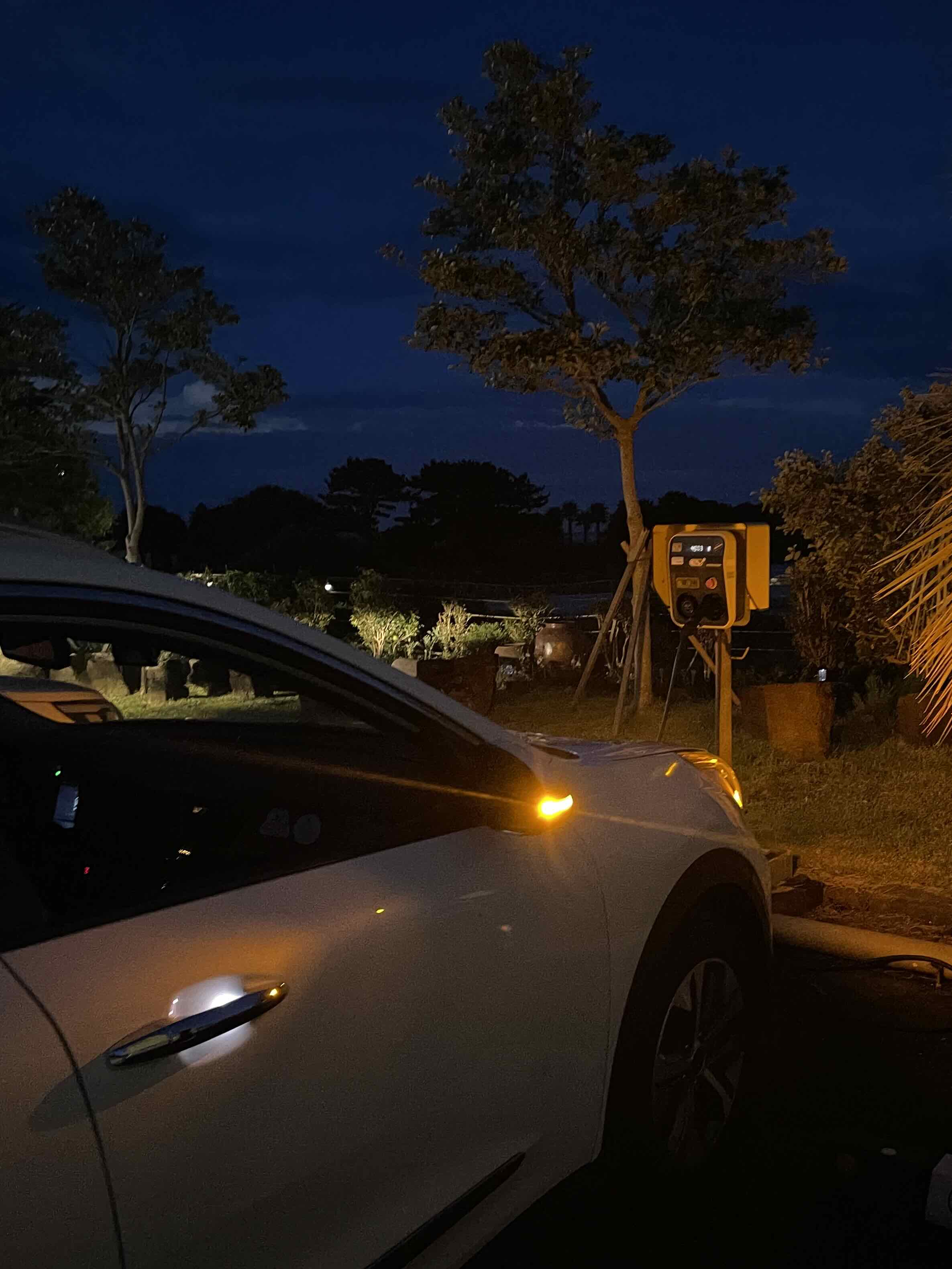
- Charging stations are everywhere, so you can confidently rent an electric car. On a small island, a full charge will last a long time. We rented a Kia Niro from Lotte Rent-a-Car. The car comes with a charging card that you can use without limits.
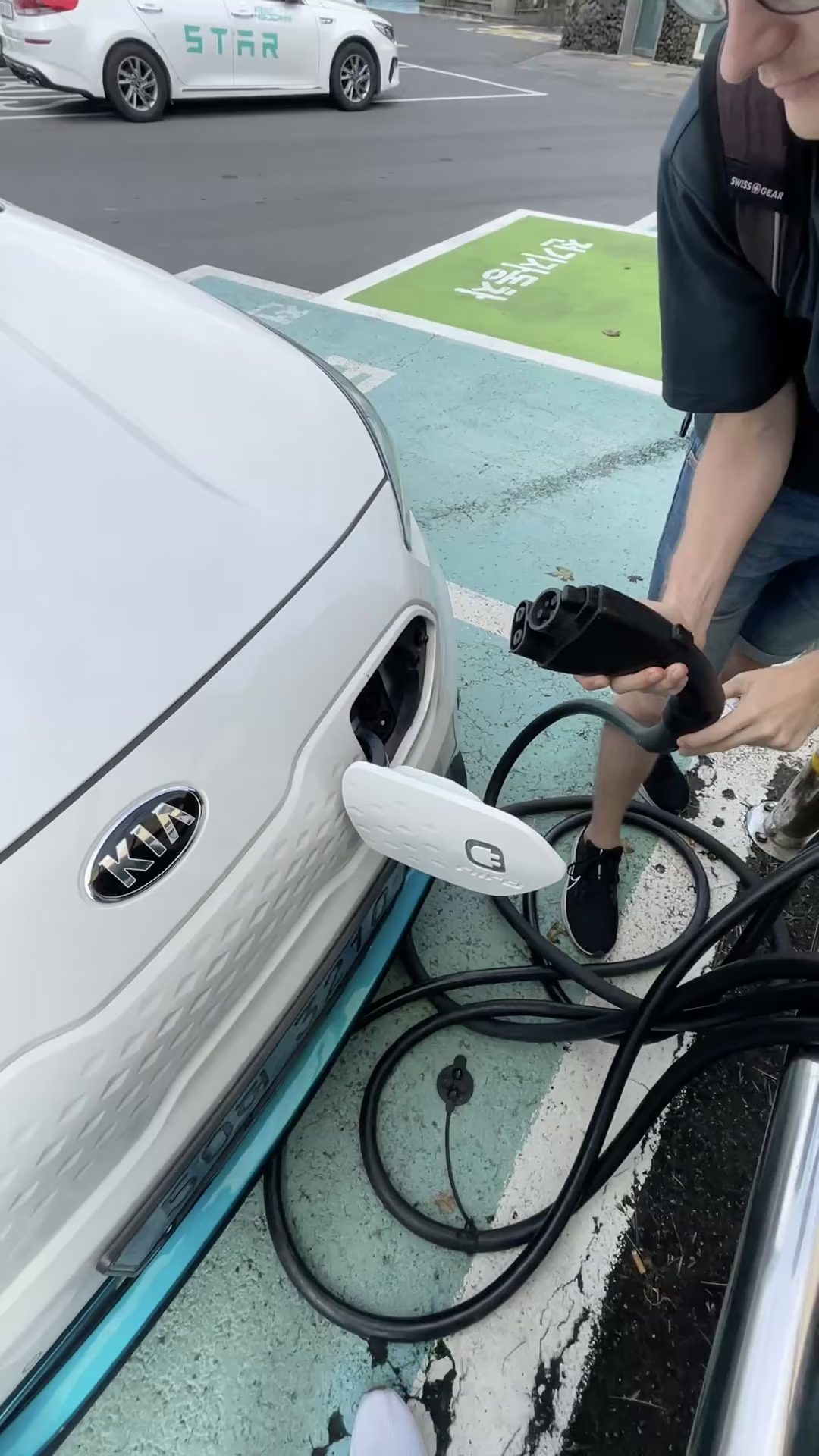
When the car is charging, the charge percentage is displayed in a fun way:
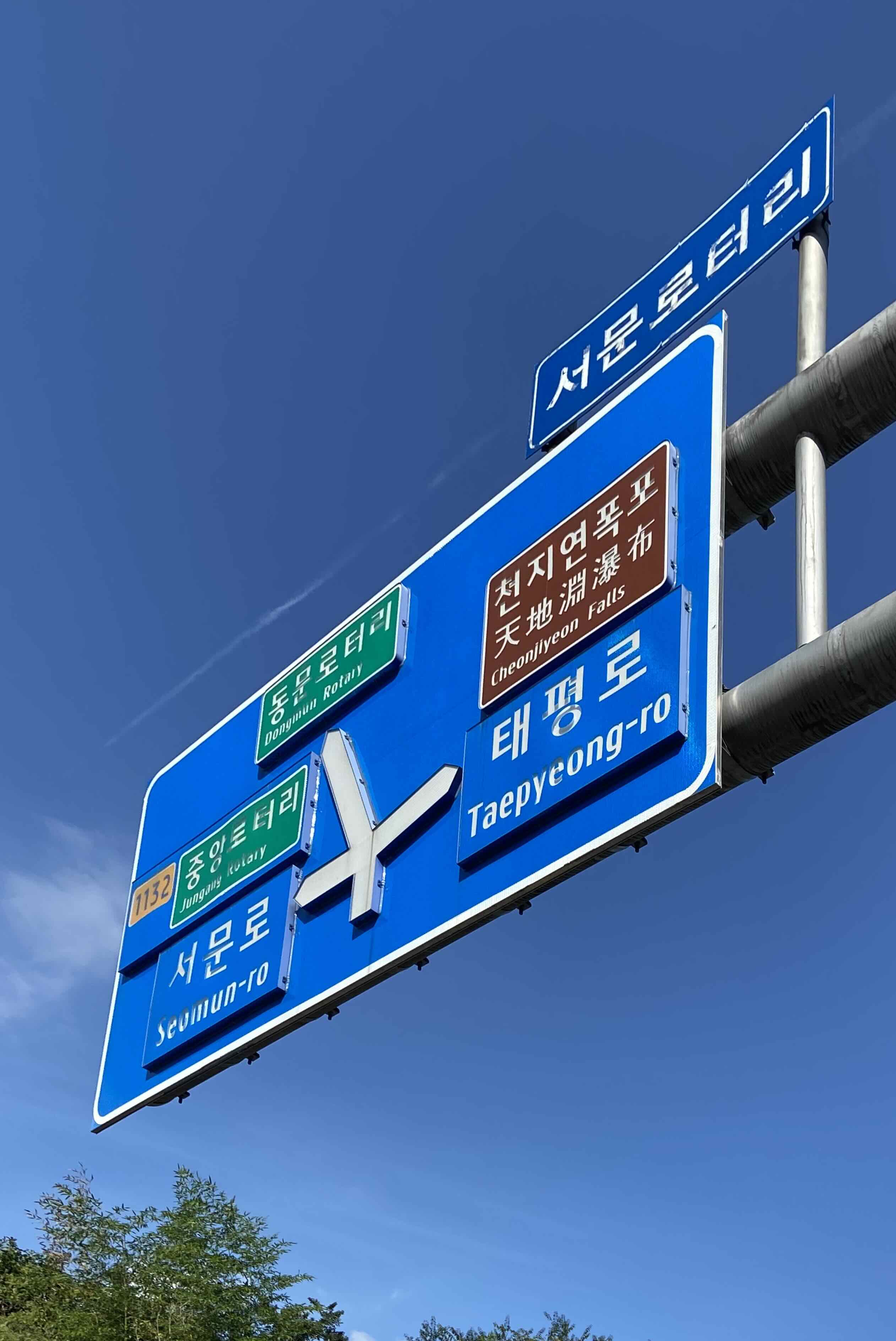
Road signs are modular. Possibly so it is cheaper to change one part without remaking the whole sign:
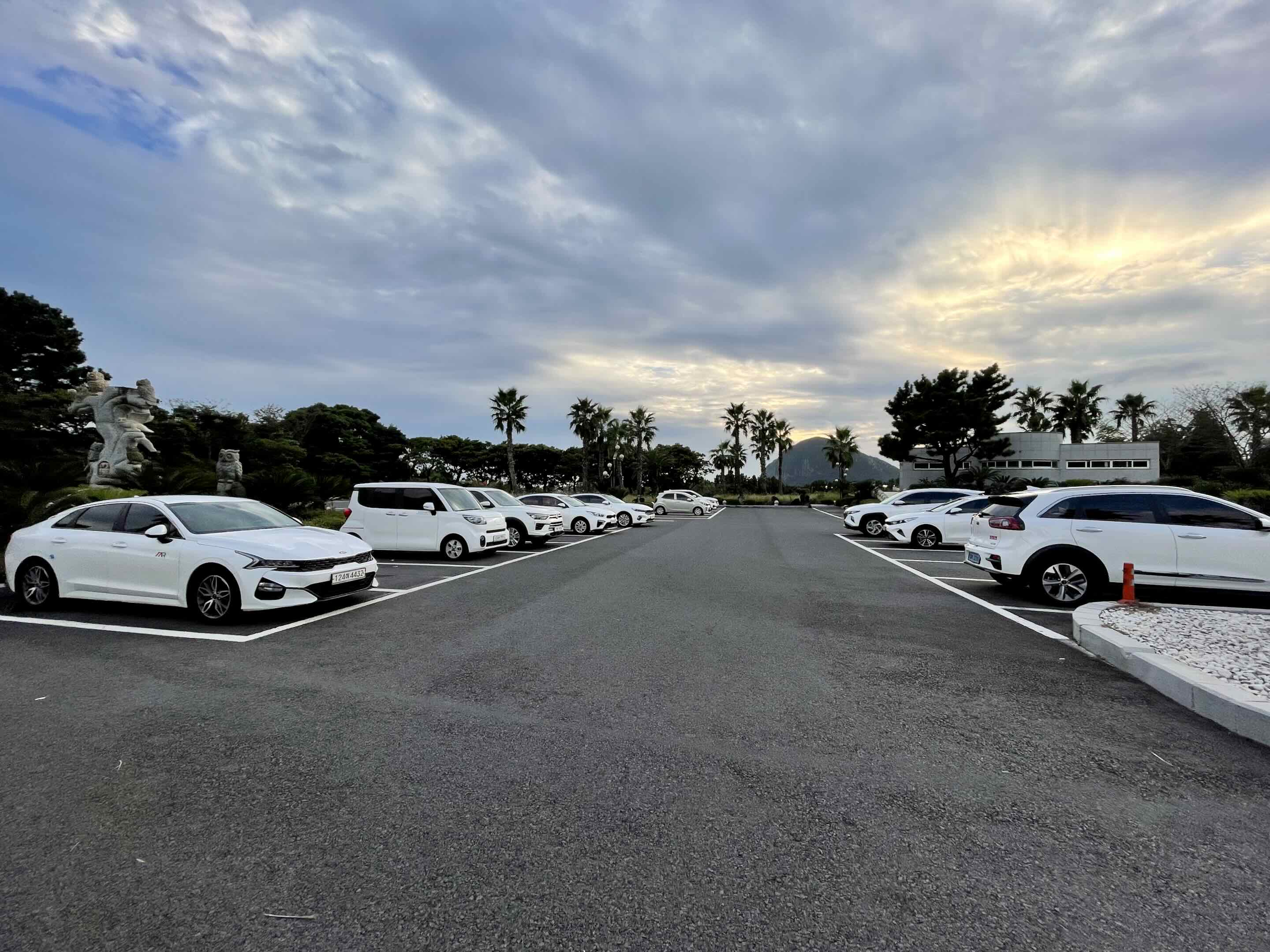
If you buy a car that is not white, the owner is sent to North Korea:
16−26 September 2023
Read on: